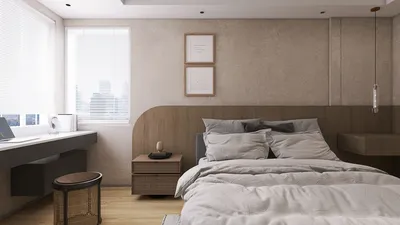


During my attempts to spray paint a feature wall in a compact studio, I found myself entertained by my cat's curious inspection of the nozzle. This experience taught me to appreciate the challenges of overspray—especially with curious pets around. Small spaces compel you to think creatively: with limited room for errors, there's a greater opportunity for striking outcomes. When I advise my clients, I always suggest using tools like Homestyler to visualize small areas before selecting a spray pattern to ensure the final look does not overwhelm the space.
1. Use soft ombré accents instead of fully painted walls
Ombré fades on shorter walls can create a sense of depth while keeping the room feeling spacious. Unlike brushes, spray sprayers provide a feathered edge, yielding a more natural transition; however, achieving this requires a steady hand and proper masking to prevent blotches.
save pin
2. Apply ceiling sprays to visually elevate low rooms
By painting the ceiling a slightly lighter shade than the walls using a sprayer, you can reflect more light and trick the eye into perceiving greater height. This method is quicker and results in a smoother finish compared to rollers, but do prepare for potential drips—good masking and the use of a drop cloth are essential.
save pin
3. Consider two-tone cabinetry with fine spray layers
Revitalizing a kitchen or bathroom can be achieved with two contrasting cabinet colors without requiring a full renovation; I advise clients to utilize thin, repeated passes with a sprayer to avoid pooling. By sketching a detailed floor plan beforehand with tools like Homestyler, clients can visualize how the painted cabinets enhance spatial balance before applying the first coat.
save pin
4. Small stencil patterns for defined nooks
While stenciling can be a bit tricky with spray paint, it delivers high visual impact in recessed nooks or behind shelves. This technique requires secure taping and testing sprays to avoid feathering, but it can create a stunning focal point with minimal paint.
save pin
5. Use a protective primer with thin topcoats for long-lasting results
When dealing with challenging surfaces, I favor a sprayed bonding primer followed by two light sprayed topcoats—this method helps prevent peeling and maintains an even finish. For those wanting to experience their design in 3D before actual painting, utilizing Homestyler enables them to finalize color decisions digitally, saving both paint and time.
save pin
FAQ
Q1: Is it better to spray paint than to roll or brush?
I prefer spraying for its speed and smooth results, particularly on cabinetry and ceilings. Rollers still perform well on textured walls and for small touch-ups.
Q2: Can I spray paint indoors without hiring a professional?
Absolutely, for smaller projects you can do it yourself. Just ensure proper ventilation, use masking and drop cloths, and wear a respirator. Practicing on cardboard beforehand can help refine your technique.
Q3: What preparation is necessary before spray painting a room?
It's vital to clean surfaces, sand any glossy areas, apply painter's tape, and shield floors and furniture. Proper preparation often dictates the final appearance more than the choice of sprayer itself.
Q4: What types of paint are best for sprayers?
Water-based acrylics and low-VOC options are great for interior use and clean up easily, while oil-based paints provide a smooth spray finish but require better ventilation.
Q5: How do the costs of spraying compare to hiring a professional?
Renting a DIY sprayer along with paint can be budget-friendly for a single room, but hiring professionals saves time and minimizes visible errors. For larger or high-value spaces, I usually recommend opting for a pro.
Q6: Are there safety or environmental considerations to keep in mind?
Indeed, ensuring proper ventilation, using appropriate respirators, and selecting low-VOC paints can mitigate risks. For lead paint considerations and safe removal practices, refer to EPA guidelines before embarking on any DIY project.
Q7: How can I avoid typical spraying pitfalls like runs and orange peel texture?
To prevent these issues, keep the nozzle moving consistently at an even speed and distance, apply thin coats, and consider light sanding between layers if necessary. Testing sprays helps calibrate pressure and distance effectively.
Q8: Do you have any quick suggestions for renters?
If repainting is off-limits, consider using temporary panels or removable wallpaper alternatives. If you choose to spray, opting for neutral colors and obtaining landlord approval can help avoid deposit disputes.
save pin
Homestyler is your go-to online home design platform, perfect for anyone looking to transform their space. With its user-friendly design tool, stunning 3D renderings, a wealth of design projects, and informative video tutorials, you’ll have everything you need to create your dream home effortlessly!
Zaprojektuj teraz za darmo
































