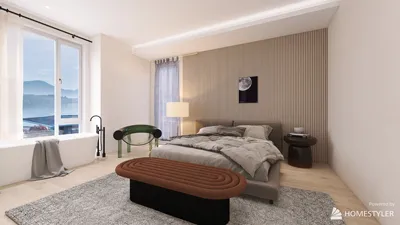


I once transformed a plain white door in a narrow hallway with spray paint, completely neglecting to mask a fern nearby—when the owner returned, they were met with a rather abstract piece of modern art! This experience taught me two vital lessons: always protect your plants while painting and remember that small doors can be a canvas for big ideas. If you're keen on visualizing different finishes before making a decision, consider utilizing a 3D render preview, like what Homestyler offers, to minimize any unwelcome surprises.
Indeed, small areas can ignite significant creativity, and painting interior doors with spray paint is one of the quickest methods to alter a room’s character. Here, I'm excited to share five unique inspirations, along with insights on their effectiveness and the common pitfalls I encountered along the way.
1. Matte Statement Doors
Matte finishes are my go-to for interior doors as they project a contemporary aesthetic and conceal fingerprints more effectively than glossy options. I've chosen a rich matte charcoal for apartment doors, making the hardware stand out dramatically without being overpowering.
However, there is a trade-off—matte surfaces can be more prone to showing scuffs and might require occasional touch-ups. A budget-friendly tip: utilize a high-quality matte lacquer for enhanced durability, or limit the matte finish to less-traveled rooms to keep costs manageable.
save pin
2. Two-Tone Trim and Paneling
Applying one color to the main face of the door while painting the recessed panels or trim in a different shade creates a custom look reminiscent of fine furniture. I recently completed this on a client’s cottage doors—using white frames complemented by a muted sage center—which achieved a bespoke cabinetry effect at a fraction of the cost.
The spraying process can be a bit tricky since precise masking lines are essential, but the visual reward is substantial. Make sure to plan your process: spray the base color first, then re-tape to apply the accent color ensuring no bleed occurs.
save pin
3. Soft Sheen for High-Traffic Areas
For areas where durability is crucial, like mudrooms, children's rooms, or entry doors, I recommend using a soft sheen spray finish. This option strikes a balance between ease of cleaning and subtle elegance, helping your doors remain immaculate without having a glossy appearance.
Preparation is key: sand, prime, and apply thin, even coats. If you are refreshing multiple doors, ensure you have a well-detailed floor plan to organize your spray sessions and drying periods efficiently, possibly with help from design tools like Homestyler.
save pin
4. Metallic and Pearlescent Accents
To achieve a boutique hotel ambiance, introduce metallic touches or a pearlescent glaze to specific areas like the rail or knob. I once enhanced the interior doors in a rental with a soft gold accent, creating a luxurious feel in the hallway due to the gentle shimmer.
Keep in mind that thick applications of metallic spray can lead to visible spray patterns, so it's advisable to apply multiple thin coats and test on scrap material first. These small additions come with minimal cost but can significantly elevate perceived value.
save pin
5. Color-Blocked Edges and Reverse Painting
Painting the edge of the door with a contrasting color—or reversing the color scheme so the interiors differ—introduces a designer touch that captures attention subtly. I opted for a navy edge on otherwise white doors to harmonize with the trim, effectively grounding the entire space.
This technique is discreet, modern, and particularly suitable for rentals as it offers significant visual impact without long-term commitment. Before finalizing your choice, visualize how it appears within your actual room layout to ensure the contrast works from various angles.
save pin
FAQ
Q1: Can I use a spray gun for interior doors?
A1: Definitely—HVLP or turbine sprayers produce smooth, even coats ideal for doors. It's wise to practice on scrap wood to perfect your spray distance and overlap; consistent passes yield better results than heavy layers.
Q2: How do I prepare doors for spray painting?
A2: Begin by removing hardware, sanding to dull the existing finish, thoroughly cleaning the surface, and priming if necessary. Proper preparation minimizes peeling and ensures better results.
Q3: Is spraying superior to brushing for durability?
A3: Spraying typically provides a more even application with fewer marks, which enhances longevity, though appropriate sanding and top coatings are equally essential for durability.
Q4: What types of paint work best for spraying interior doors?
A4: Waterborne acrylic lacquer or acrylic enamel primers and topcoats are ideal for spray systems—there are low-odor versions available that cure quickly. Opt for products specifically labeled for doors or trim to ensure hard-wearing results.
Q5: How do I handle overspray and ensure proper ventilation?
A5: Always mask surrounding areas and use drop cloths, while ensuring good ventilation. For indoor spraying, a respirator and cross-ventilation are crucial to maintain safety and finish quality.
Q6: What precautions should I take regarding lead paint risks on older doors?
A6: If your home predates 1978, you should assume that lead may be present, adhering to EPA RRP guidelines: it's advisable to hire certified contractors or consult the EPA’s RRP information.
Q7: How long should I wait between coats when spray painting doors?
A7: Consult the manufacturer’s recommended recoat interval—commonly 15 to 60 minutes for fast-dry lacquers, longer for enamels. Lightly sanding between coats can improve adhesion and smoothness.
Q8: Should I remove doors from their hinges?
A8: Taking doors off the hinges simplifies spraying and masking, preventing overspray on the hinges; however, if removal isn't feasible, ensure hinges and surrounding jambs are fully masked and spray using controlled passes.
save pin
Built on technology originally developed at Autodesk, Homestyler empowers anyone to design beautiful, realistic spaces in minutes. Join over 18 million users who have already discovered a smarter way to plan, visualize, and bring their dream homes to life — all from the comfort of a browser.
Looking to revamp your space? Homestyler is your go-to online home design platform! With an intuitive design tool, stunning 3D renderings, and a wealth of DIY video tutorials, you'll effortlessly turn your decor dreams into reality. Start creating your perfect home today!
تصميم الآن مجانا
































