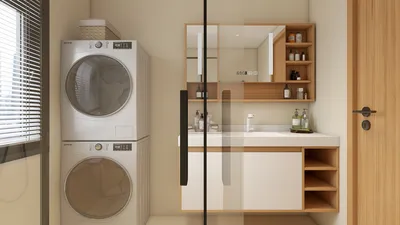


In my ten years as an interior designer, I’ve discovered that small spaces can ignite the most remarkable creative ideas. Rather than seeing them as constraints, small townhouse living rooms represent a chance to be inventive with every square inch available. In this article, I’ll share ten design inspirations drawn from my projects, merging my personal experiences with relevant design insights, empowering you to enhance your cozy living room confidently with Homestyler.
1. Innovative Storage Solutions
My Insight: During a project in a downtown townhouse, I utilized built-in low cabinets beneath the windows. This not only provided extra seating but also ample storage, ensuring an organized and spacious environment.
Advantages: These minimalist built-in storage solutions maximize functional space and promote a clean aesthetic, ideal for modern townhouse living rooms. According to Houzz’s trend report for 2023, streamlined furniture remains a top request in compact spaces.
Disadvantages: Custom cabinetry can be expensive and requires accurate measurements; ready-made options might not fit perfectly.
Suggestion: Applying the same finish as the walls can help seamlessly integrate the furniture with the room.
2. Glass Dividers for a Sense of Space
My Insight: In a slender townhouse in San Francisco, I replaced a solid wall with a glass partition, which immediately created a more open living area without merging completely with the kitchen.
Advantages: Glass dividers allow more natural light and give the illusion of a larger area while still defining separate spaces.
Disadvantages: Choosing tempered or frosted glass can be pricey, and they may easily show smudges if you have children or pets.
3. Multi-Layered Lighting
My Insight: In most of the townhouse living rooms I design, I incorporate ceiling fixtures, wall sconces, and floor lamps, creating versatile mood settings.
Advantages: Layered lighting enhances the room’s adaptability for various activities and adds depth—techniques endorsed by the American Lighting Association for maximizing small spaces.
Disadvantages: Careful planning is required to conceal cords and maintain a cohesive style.
4. Efficient L-Shaped Furniture Arrangement
My Insight: An L-shaped sofa placed in a townhouse corner can free up much of the central floor space, which is particularly beneficial in open-plan designs.
Advantages: This layout opens up pathways and concentrates seating areas for social gatherings, particularly effective in multi-use spaces with an L-shape configuration.
Disadvantages: This arrangement may not be suitable for extremely narrow rooms, and repositioning the sofa later can be more difficult.
5. Warm Wooden Details
My Insight: I love incorporating walnut coffee tables or oak shelving, as many clients comment on how these additions create a more welcoming atmosphere.
Advantages: Wood introduces a natural, inviting texture that works beautifully with both modern and traditional styles, as highlighted by Architectural Digest’s intimate home suggestions.
Disadvantages: Wood requires periodic maintenance like oiling, and excessive use of dark woods can make small spaces feel even tighter.
6. Stylish Floating Shelves
My Insight: In a New York townhouse, I added floating shelves above the media console to showcase art without taking up floor space.
Advantages: Floating shelves make efficient use of vertical space and add character; this approach works particularly well in narrow layouts.
Disadvantages: Proper wall installation is essential, and open shelves will require regular dusting.
7. Light Neutral Color Palettes
My Insight: Soft beige or gentle grey walls paired with white trim have become my favorite choice for clients wishing for brightness without harshness.
Advantages: Light neutrals reflect sunlight, creating an airy ambiance—a strategy supported by Benjamin Moore’s color specialists for compact rooms.
Disadvantages: These colors can appear dull without added texture; they are also prone to showing marks and stains more easily.
8. Space-Saving Multi-Functional Furniture
My Insight: I once sourced a storage ottoman that efficiently served as a coffee table, an extra seat, and a blanket box all in one—what a remarkable space saver!
Advantages: This solution combats clutter and enhances functionality within limited square footage—ideal for versatile townhouse layouts.
Disadvantages: Multi-functional pieces may require compromises, such as being less comfortable than dedicated furniture.
9. Eye-Catching Artwork
My Insight: An oversized art piece above the sofa can anchor the room and draw the eye upward, creating the illusion of taller ceilings.
Advantages: Such a piece adds character and vertical emphasis, thriving even in minimalist environments.
Disadvantages: Large art pieces can be expensive, and personal taste may affect resale prospects if you move.
10. Strategic Mirror Placement
My Insight: I often place mirrors opposite windows in narrow townhouses to maximize sunlight—instantly boosting the room’s atmosphere.
Advantages: Proper mirror placement can visually enlarge a room and enhance brightness; it’s a technique particularly effective in refining room perception.
Disadvantages: Inappropriate placement can result in glare, and mirrors require regular cleaning to maintain their effectiveness.
Conclusion
Ideas for small townhouse living rooms go beyond mere limitations; they are about creativity, thoughtful planning, and unlocking the full potential of your space. In fact, as highlighted by Houzz, compact living encourages smarter organization and layout. Which of these ten design tips will you experiment with first for your space using Homestyler?
Frequently Asked Questions
Discover your dream home with Homestyler! This user-friendly online design platform offers a powerful design tool, stunning 3D renderings, and a wealth of DIY video tutorials. Whether you’re a novice or a pro, Homestyler makes creating beautiful interior spaces simple and enjoyable.
Дизайн сейчас бесплатно
































