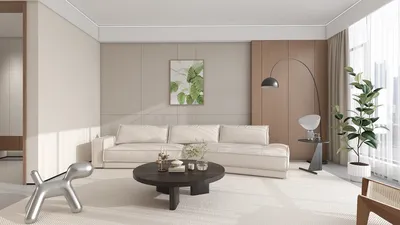


I once had a client who insisted on installing a disco ball above the sofa in their 320 sq ft apartment. We shared a laugh, and through the experience, I learned the importance of prioritizing practicality alongside style. Ultimately, that compact space ended up feeling open, inviting, and surprisingly clever. If you're searching for innovative room layout ideas that I utilize daily, this is the essential guide I wish I had when I started out — small areas can ignite incredible creativity.
1. Opt for multifunctional furniture
I always prioritize items that serve multiple purposes: a sofa bed with a sleek design, nesting coffee tables, or an ottoman that provides hidden storage. The benefits are substantial — fewer pieces lead to less visual clutter — but this strategy does require precise measurements and a willingness to accept somewhat simpler designs.
save pin
2. Select a compact sofa and embrace scale
One of my foundational tips is to choose seating that aligns with the room's dimensions: low-back sofas, armless chairs, or a loveseat can enhance walking space and sightlines. Although it may seem counterintuitive to have less seating, it encourages innovative guest rotation (think stools and floor cushions) and maintains a sense of spaciousness.
save pin
3. Utilize vertical storage and floating shelves
When floor area is at a premium, I optimize with vertical solutions: floating shelves, tall bookcases, and wall-mounted media units create more usable space. I often employ tools, including 3D design software like Homestyler, to visualize shelf heights and pathways, ensuring that installations are precise and avoiding any awkward overlaps.
save pin
4. Define areas with rugs and lighting
In open-plan layouts, I demarcate a living space using a petite rug, a cluster of lamps, and a console table positioned behind the sofa — it effectively creates the illusion of separate rooms without actual walls. The key challenge lies in matching scale and colors, but the payoff is significant: having a dedicated reading nook, an entertainment corner, and a compact dining area all appear intentional.
save pin
5. Incorporate colors, mirrors, and smart decor to enhance depth
Light-colored paint, strategically placed mirrors, and slim-framed furniture contribute to a perception of greater depth; I also suggest keeping larger surfaces neutral while injecting character through textiles. If the living room shares an area with the kitchen, I often borrow a few kitchen design tips to coordinate finishes, creating a cohesive feel throughout the apartment.
save pin
FAQ
Q: What size sofa is ideal for a small living room?
I suggest measuring sightlines and ensuring at least 30–36 inches of clearance in front of the sofa. A low-back, narrow-arm model is preferable to reduce a room's visual bulk.
Q: How do I select a rug for a compact space?
Choose a rug that grounds the seating—ideally, at least the front legs of furniture should touch it. A slightly larger rug can actually make a room feel more spacious than several smaller ones.
Q: Is it worth investing in built-in storage?
Absolutely, built-ins make use of every inch and offer a tailored appearance, although they often come with a higher price tag and are permanent. For renters, I recommend tall modular shelves that imitate built-ins without the long-term commitment.
Q: How can I use lighting to enhance a small living room?
Layer different light sources like ambient, task, and accent lighting—wall sconces and floor lamps are more versatile than just relying on a single overhead fixture. Installing dimmers is a minor expense that can significantly alter the mood and sense of space.
Q: What color schemes work best in small living rooms?
Light, warm neutrals can make a room feel expansive, while an accent wall or vibrant artwork can infuse personality without overcrowding the space. It's wise to test paint samples on various walls, as colors can appear differently in each area.
Q: Do mirrors really help make a room look larger?
Yes, mirrors can reflect light and views, creating an illusion of depth; place them opposite windows for optimal impact. Avoid overly ornate frames that might add visual weight in tight quarters.
Q: How can I accurately plan furniture placement?
Carefully measure your space and consider using a simple scaled sketch or an app to visualize your layout before making purchases. For the best practices and expert advice, refer to recommendations from the American Institute of Architects (AIA) regarding circulation and accessibility at https://www.aia.org.
Q: Any budget-friendly tips for furnishing a small apartment?
Begin with essential multifunctional furniture and acquire decorative elements later — focus on seating, a functional surface, and storage solutions. Exploring secondhand platforms and local artisans can uncover high-quality items at significantly reduced prices.
save pin
Homestyler is your go-to online home design platform! With its user-friendly design tool, stunning 3D renderings, and a plethora of inspiring design projects and video tutorials, transforming your space has never been easier. Unleash your creativity and bring your vision to life today!
تصميم الآن مجانا
































