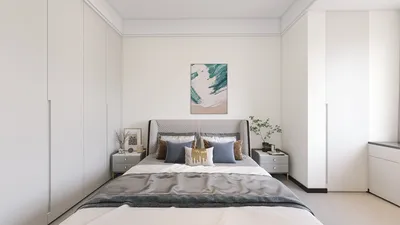


In a memorable experience, I arrived at a client’s studio where the request was to design 'a wall that feels like a forest' within just 9 square meters. I chuckled at the challenge, measured the space, and ultimately transformed that compact area into the coziest woodland retreat I’ve ever created. For those wishing to visualize layouts in small rooms, this fun and creative approach not only mitigated potential frustrations but also made the colors resonate beautifully within the constraints of the space, especially when using tools like Homestyler to bring designs to life.
1. Introduce a deep olive accent to create an illusion of space in a cozy room.
I adore using deep olive on one wall because it imparts a sense of depth without casting a shadowy effect. The benefit is a dramatic flair without overwhelming the entire space; however, lighting becomes crucial—with warm light or reflective surfaces being essential. In one client’s apartment, I incorporated olive with warm brass accents and a large mirror, resulting in an environment that felt both grounded and expansive.
2. Combine sage green with natural wood for a modern yet warm aesthetic.
Sage green offers flexibility and looks stunning when paired with oak or walnut finishes. Not only does it brighten north-facing rooms, but it also conceals minor wall imperfections. However, be cautious, as it can appear 'muddy' if overmatched with overly cool greys. A practical tip is to utilize a mid-range satin finish for wood trims to balance cost while achieving a soft sheen and durability.
3. Opt for muted green kitchen cabinets for added character.
When clients seek to inject personality without full renovations, I recommend muted green cabinets. These tones hide grease marks better than plain white, all while providing a calming backdrop for brass fixtures. If you’re considering a layout alteration, keep in mind how color influences perceived flow—sometimes, just repainting and making minor adjustments within the prep area can greatly enhance kitchen efficiency, especially when visualizing ideas on Homestyler.
4. Layer various green shades to enhance texture in compact bathrooms.
Small bathrooms are an ideal testing ground for greens since tiles and fixtures can disrupt color continuity. I frequently recommend painting one wall of the vanity a distinct shade while applying a lighter green on the ceiling to elevate the space. This approach is budget-friendly and provides a spa-like atmosphere, but do consider humidity levels—select paints that are mildew-resistant and ensure proper ventilation to prevent peeling.
5. Utilize green as a cohesive backdrop for rooms with mixed materials.
In living and dining areas where furniture styles vary, using a single green hue can visually bind everything together. I’ve successfully applied warm pistachio on walls with a deeper forest green on shelves to anchor an eclectic arrangement. The primary benefit is the visual cohesion, although it does require commitment—testing large paint swatches can be beneficial. If you wish to preview your options before painting, creating mockups or utilizing photo-realistic 3D images in platforms like Homestyler can be invaluable for setting expectations.
FAQ
1. Which green shades work best in compact spaces?
I generally prefer muted or dusty greens like sage, pistachio, or olive, as they impart depth without overwhelming smaller rooms. Bright greens, unless used as accents, can make tiny areas feel cluttered.
2. Are green paints suitable for kitchens?
Absolutely—muted greens are fantastic for kitchen spaces, as they disguise stains more effectively than white and coordinate beautifully with wood and brass accents. Opt for a semi-gloss or satin finish on cabinets for easier maintenance.
3. How can I evaluate a green paint before committing to it?
Paint larger swatches on different walls and observe them at various times throughout the day. Samples mounted on poster boards allow you to rearrange colors next to textiles and lighting for a clearer vision.
4. Are green paints environmentally friendly?
Many brands now offer low-VOC or zero-VOC green paints, which mitigate indoor air pollution. To learn more about VOCs and indoor air quality, refer to the U.S. EPA’s information on volatile organic compounds.
5. Can the color green make a room feel smaller?
Yes—very dark or vividly saturated greens can visually constrict a space, especially without adequate lighting. To counteract this effect, balance with reflective surfaces or lighter ceilings.
6. What paint finishes work best alongside green?
For most walls, matte or eggshell finishes are effective as they conceal imperfections, while satin or semi-gloss is preferable for trim and cabinets due to their durability and ease of cleaning. Intentionally contrasting finishes can create additional depth.
7. How can I coordinate green with existing furniture?
Determine the dominant undertone in your furniture—whether warm (yellow/red) or cool (blue)—and select a green with a similar hue for harmony. If uncertain, photographing the room and testing paint swatches against these images can provide clarity.
8. Can I achieve a budget-friendly green refresh?
Definitely—repainting is one of the most economical methods to transform a room’s ambiance. Focus on one or two critical areas (like an accent wall, cabinets, or built-ins) for a significant impact without a hefty expenditure.
Homestyler is your go-to online home design platform! With its user-friendly design tool, stunning 3D renderings, and a wealth of DIY video tutorials, you can effortlessly create and visualize your dream spaces. Transform your home design ideas into reality with ease and inspiration!
지금 무료로 디자인하세요
































