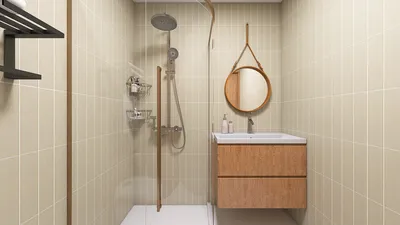


A client of mine had a unique vision for her bathroom, wanting the bathtub positioned beneath a small skylight for 'stargazing while shampooing.' This concept resulted in a cozy yet somewhat awkward setup, which ultimately became brilliant after we made some strategic adjustments and improved the drainage. This experience reminded me that small spaces can fuel significant creativity and encouraged me to gather a plethora of innovative and repeatable solutions. Recently, I employed an AI interior design tool called Homestyler to jumpstart the layout and moodboard, successfully convincing the homeowner to embrace a bolder design approach.
1. Utilize vertical space: Create tall, slim storage solutions
Maximizing vertical gaps for full-height storage is a game-changer. Consider incorporating slender cabinets above the refrigerator, recessed medicine cabinets, or a pull-down ironing board concealed within a pantry wall. The benefits are substantial: reclaiming floor space helps maintain a serene surface area; however, the downside includes limited access to upper shelves. I address this challenge through tiered storage systems and labeled baskets. A cost-effective tip is to choose adjustable shelving and soft-close hinges to ensure a luxurious feel without overstretching the budget.
save pin
2. Dual-function fixtures: Enhance space efficiency and style
Merging functions is my go-to strategy for design efficiency. For instance, a sink that seamlessly flows into counter space or a vanity concealing laundry hampers keeps the footprint compact yet functional. While customizing these features can be pricier and plumbing considerations may complicate the process, the convenience it offers is invaluable. I often sketch ideas on paper prior to making any cabinetry commitments to prevent costly alterations down the line.
save pin
3. Incorporate pull-out pockets and concealed pantries
Sliding pantry units and pull-out spice racks add a sense of magic to compact kitchens, allowing easy accessibility while maintaining visual clarity. During a recent floor plan experiment, I tested a floor-to-ceiling pull-out unit in a studio kitchen, which greatly enhanced the efficiency of meal preparation. To ensure durability, it's crucial to select hardware suitable for kitchen use and provide small gaps for ventilation.
save pin
4. Leverage light for an expansive feel: Use glass, mirrors, and reflective materials
Incorporating mirrors in bathrooms and glossy backsplash tiles in kitchens can dramatically amplify light and create a sense of depth, effectively making tight spaces feel larger. However, reflective surfaces require maintenance as they tend to show water stains and fingerprints. I recommend using high-quality coatings and easy-clean grout. For example, in one bathroom renovation, I installed a mirrored medicine cabinet with integrated lighting, instantly making the space feel twice as large.
save pin
5. Define areas with slim partitions and innovative doors
Employing sliding barn doors, frosted glass panels, or half-height partitions can effectively delineate wet and dry areas without the constraints associated with full-length walls. In a renovation featuring a compact bath-kitchen combo, a frosted glass partition helped manage humidity while maintaining an open ambiance. While these specialty glazing and tracks may come at slightly higher costs, the increased flexibility and resale value justify the investment — plus, you gain a stylish feature for hosting.
save pin
Small project checklist
Before diving into your project, take thorough measurements and visualize the workflow: consider where you cook, dry, and store items. If possible, create a full-scale mock-up of one cabinet or shelf; I have saved clients significant amounts by identifying clearance issues early on. If you're interested in layout tools, the floor plan experiment I conducted using Homestyler can help clients swiftly visualize various options.
save pin
FAQ
Q1: What does a 'bath and kitchen idea center' entail?
A: It serves as a curated collection of design solutions and product recommendations, aimed at optimizing the functionality of small bathrooms and kitchens through smart combinations of storage, lighting, and fixtures.
Q2: How should I begin planning a compact kitchen and bathroom together?
A: Start with a list outlining your priorities, including cooking frequency, necessary appliances, and storage requirements. Measuring accurately and sketching workflow zones is essential. I always suggest mapping critical dimensions with tape on the floor to evaluate movement and flow.
Q3: Are custom cabinets a worthwhile investment in small areas?
A: Often, yes. They can fit into awkward spaces and maximize efficiency, but standard modules tend to be more affordable and can be equally effective if designed appropriately. Custom solutions should be considered mainly for unique constraints or to utilize every available inch.
Q4: What type of lighting is most effective for combined bath and kitchen spaces?
A: The best approach is layered lighting, which includes task, ambient, and accent lighting. It's important to use moisture-rated fixtures in wet areas and under-cabinet task lighting in kitchens to eliminate shadows during food preparation.
Q5: How can I visualize my ideas prior to renovation?
A: I prefer to start with a basic 2D layout followed by a simple visual mock-up. On one project, I utilized the Homestyler tool to create a clear representation for both the homeowner and contractors, ensuring everyone was on the same page.
Q6: Are there safety regulations I need to consider?
A: Yes, several codes matter, including plumbing venting, GFCI protection for electrical near water sources, and essential clearances for appliances. Always refer to local building codes and consult a licensed contractor for compliance. The National Kitchen & Bath Association (NKBA) provides excellent guidelines for industry standards: https://nkba.org/.
Q7: What's a cost-effective method to refresh a small bathroom and kitchen?
A: Simple updates like painting, replacing hardware, enhancing lighting, and employing smart organizers typically yield significant results for minimal investment. Additionally, swapping out traditional doors for sliding options can help reclaim valuable space without undertaking a full remodeling project.
Q8: Can I present visual concepts to contractors even if I'm not employing a designer?
A: Absolutely — presenting simple sketches, relevant photos, and even 3D renders from tools like Homestyler can effectively communicate your vision, minimizing on-site misunderstandings.
save pin
Homestyler is your go-to online home design platform! With its user-friendly design tool, stunning 3D renderings, and a wealth of DIY video tutorials, you can effortlessly create and visualize your dream space. Start transforming your home today with Homestyler!
Progetta ora GRATIS
































