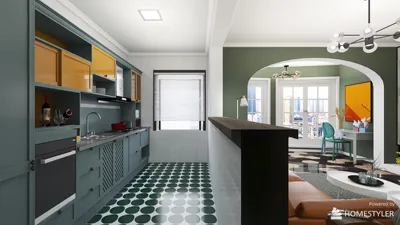


One time, a client requested a library to fit inside a 1.2-meter-wide hallway — yes, a true book sanctuary crammed between a wardrobe and a laundry area. I chuckled, made some sketches, and transformed that tight space into a cozy nook complete with storage and a reading lamp; the key was to treat that corner as a destination rather than wasted space. If you're looking to quickly visualize your idea, consider using Homestyler for a tiny corner plan, which allows you to see how furniture would fit before making any purchases.
1. Window Seat with Integrated Storage
There's nothing quite like natural light for reading, so I often design a bench under the window that serves as deep storage for books and blankets. It creates a warm atmosphere, maximizes light, and keeps clutter hidden — although the downside is the cost of carpentry and the necessity of precise measurements to avoid an uneven cushion. My recommendation: employ plywood boxes with removable lids for an economical, DIY-friendly option.
save pin
2. Vertical Nook: Tall Shelves with Slim Seating
When floor space is limited, I opt for vertical solutions — floor-to-ceiling shelves flanking a narrow chaise or stool. This visually elongates the wall and keeps your books within reach; the trade-off might be a snug seating width, so soft, accommodating cushions are advisable. A budget-conscious approach: paint the shelves the same color as the wall to make the whole setup look like a cohesive, custom piece.
save pin
3. Corner Alcove Featuring Task Lighting
Corners are often underutilized; sculpting a shallow alcove with a deep cushion and focused task light can convert it into a serene reading retreat. To avoid a cave-like feeling, incorporate a sconce with an adjustable arm so that light follows you — and if you want to explore layouts, I frequently suggest clients visualize it in 3D using Homestyler before making a commitment. A small challenge may be that corners could require extra insulation or soundproofing if they feel echoey.
save pin
4. Multi-Functional Desk Nook
I once transformed a narrow desk area into a versatile space for both work during the day and reading at night. Replace the desk chair with a comfortable, supportive seat and add an ottoman to elevate your feet; this maximizes space and allows the nook to evolve. Keep an eye on cable clutter and maintain a small tray or basket nearby to organize chargers and bookmarks.
save pin
5. Hanging Seat or Fold-Down Bench
For tiny apartments, I adore a fold-down bench or a suspended seat — both options free up floor space when not in use. They add a playful touch and are surprisingly sturdy if properly secured; just ensure the wall or ceiling structure is strong enough to support the load. Looking for clever storage solutions inspired by kitchens? I often adapt compact cabinetry strategies from kitchen design to install clever hidden drawers beneath benches.
save pin
FAQ
Q1: How much space do I need for a comfortable reading nook?
A cozy nook can be as small as 0.6–1.2 meters wide if you optimize the depth and seating. Aim for a seat depth of at least 60–75 cm for lounging, and try to leave a bit of circulation space whenever possible.
Q2: What lighting works best for reading in a compact nook?
Task lighting with a warm, flicker-free bulb is ideal; an adjustable sconce or swing-arm lamp directs light without taking up valuable surface space. Pair it with indirect ambient lighting to minimize eye strain.
Q3: How can I make a nook appear larger?
Utilize light, harmonious colors, incorporate built-in storage to decrease clutter, and use vertical lines (such as tall shelves or trim) to draw the eye upward. Placing mirrors opposite a window can also enhance the natural light effect.
Q4: Are built-in benches costly?
Prices can range: a basic DIY plywood bench with cushions is budget-friendly, while custom carpentry increases the cost. I often recommend prefabricated storage benches as a quality and cost-effective alternative.
Q5: Is it possible to create a reading nook in a hallway?
Absolutely — slim benches or window seats can fit in narrow hallways as long as you maintain at least a 70–80 cm clear pathway. Use low-back seating and wall-mounted lighting to keep the walkways open.
Q6: What seating is ideal for long reading sessions?
Select a chair with adequate lumbar support and a cushion that balances comfort with resilience; an ottoman or small footstool allows you to change your posture and stay comfortable for extended periods.
Q7: How bright should the light be for reading?
According to the American Optometric Association, good task lighting for reading should be around 300–500 lux at the book's surface for most readers (see American Optometric Association: https://www.aoa.org). A dimmable lamp is excellent for adjusting brightness according to the time of day.
Q8: What are some quick, low-cost upgrades for an existing small nook?
Consider swapping out bulbs for warmer, higher-CRI LEDs, adding a comfortable throw and lumbar cushion, installing a wall sconce to clear table space, and decluttering visible surfaces — even small changes can significantly enhance comfort.
save pin
Looking to transform your space? Homestyler is your go-to online home design platform! With its user-friendly design tool, stunning 3D renderings, and a wealth of DIY video tutorials, you can unleash your creativity and effortlessly bring your interior design visions to life.
Concevez maintenant gratuitement
































