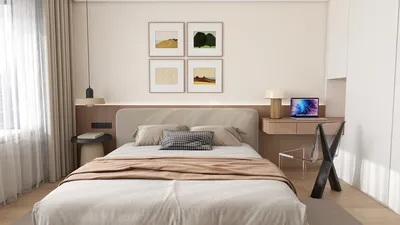


I once had a client who believed a yoga mat and a standing desk should share the exact same spot in the living room—she aimed to work, stretch, and binge-watch all from a tiny corner. I chuckled at the challenge, then designed a layout that actually delivered. If you're looking to create a thoughtfully arranged small living room office, you can even visualize the entire setup in 3D with tools like Homestyler before shifting a single chair.
Small spaces compel us to think creatively, and therein lies the enjoyment. Here, I’ll outline five effective design ideas that I continually incorporate in compact homes, along with quick insights from actual projects so you can avoid the common pitfalls.
1. Vertical zoning with open shelving
I appreciate using tall shelving units that serve both as storage and subtle room dividers. Open shelves preserve clean sightlines, ensuring the living room feels spacious while distinctly marking the office area without erecting walls.
Advantages include ample storage, display opportunities, and a sense of separation; however, challenges arise if you overload the shelves, so curate thoughtfully and use decorative baskets to conceal cables and papers.
save pin
2. Fold-away desks and hidden workstations
On a recent loft project, I incorporated a wall-mounted fold-down desk that stowed behind a cabinet door, maximizing floor space and instantly preparing the living room for guests once closed.
These setups are economically sensible and ideal for non-constant work. Be cautious about ergonomics; ensure you have an appropriate chair and a monitor arm for video calls. When searching for visual examples, I often point to a multi-purpose furniture case study to showcase how different pieces can transform a layout.
save pin
3. Lofted and elevated platforms
When ceiling heights permit, constructing a low loft or raised platform can create a secluded office nook above a living space. I've successfully applied this technique in a studio where the owner required daytime separation without a full wall.
Pros include well-defined zones and additional storage underneath; however, structural modifications and compliance with local codes are typically necessary, so plan for a slightly increased budget and consult a contractor.
save pin
4. Light, color, and reflective tricks for perceived space
Never overlook the impact of paint and lighting. A coherent light color scheme paired with one accent hue and layered lighting contributes to making the entire multi-functional room appear larger and more cohesive rather than disparate areas clashing.
Mirrors and shiny surfaces enhance depth, but be vigilant about glare on screens. I usually place task lights in locations that won't reflect on monitors while including diffused ambient lighting for evening use.
save pin
5. Soft zoning with rugs, plants, and screens
Using rugs, a series of tall plants, or a slim sliding screen can outline the office area without sacrificing openness. For instance, I utilized a matching trio of rugs to visually distinguish a couch, workspace, and dining nook in a slender apartment—it appeared surprisingly intentional.
Advantages include flexibility, affordability, and ease of modification. However, acoustic privacy may be limited, so consider adding a rug pad or soft panels if noise control is necessary. For layout inspiration, explore a small office zoning example demonstrating how lines and textures can create functional spaces.
save pin
FAQ
Q1: What’s the minimum space I need for a combined living room office?
A compact desk can fit within a depth of merely 60–80 cm (24–31 inches), yet you should aim for at least 1.2–1.5 square meters to ensure a comfortable seated workspace. Take circulation and chair clearance into account to avoid cramped setups.
Q2: How do I keep a living room office from looking messy?
Storage is crucial: utilize vertical cabinets, proper cable management, and aesthetically pleasing boxes. Establish a routine for a quick tidy-up session each week to prevent paper piles from encroaching into the couch area.
Q3: Can I achieve good ergonomics in a tiny space?
Absolutely — prioritize a supportive chair, correct screen height, and a keyboard platform if required. Even minor adjustments, such as a laptop stand and external keyboard, can significantly boost comfort.
Q4: What lighting is most effective in mixed-use rooms?
Utilize layered lighting: ambient overhead, a task lamp for the desk area, and accent lighting for the living section. Dimmable fixtures allow for mood changes without the need to rearrange furniture.
Q5: Are fold-away desks durable in the long run?
Quality is key: opt for hardware designed for repeated use and ensure secure mounting to studs. While cheaper models may be appealing, they often sag or loosen with time.
Q6: How can I minimize noise between areas?
Soft materials—like rugs, curtains, and upholstered furniture—absorb sound. If noise proves to be a significant concern, consider incorporating acoustic panels or a bookshelf filled with books to serve as a sound barrier.
Q7: Do I need permission to build a lofted platform?
In many cases, yes. Structural changes likely require permits and input from a professional engineer, so check local regulations before proceeding. It's wise to budget for a consultation in advance.
Q8: Where can I find ergonomic and layout advice?
For guidance on workstation ergonomics and general layout tips, resources like OSHA’s Computer Workstations eTool are invaluable: https://www.osha.gov/etools/computer-workstations. Additionally, I recommend using Homestyler to create a visual mock-up of your layout before investing in larger furniture pieces.
Homestyler is your go-to online home design platform, perfect for all skill levels! With its user-friendly design tool, stunning 3D renderings, and a treasure trove of DIY video tutorials, you can effortlessly create and visualize your dream spaces. Start designing today!
Design jetzt kostenlos
































