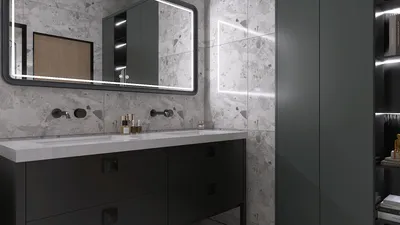


I once had a client who wanted their laundry sink to be "Instagrammable"—all within a cramped 5-foot nook. I chuckled, almost swallowing my paint swatch, before finding a solution with a smart pull-out basin and a sleek cabinet. This experience highlighted the creativity that small spaces can ignite, prompting me to gather various unexpected design strategies, including compact design examples that helped reassure them of its feasibility.
1. Narrow sink cabinet with pull-out hampers
I prefer starting with a narrow cabinet that conceals a shallow sink along with a pull-out hamper underneath. This approach maintains a tidy visual line while allowing for efficient laundry sorting, free from the distraction of a separate basket. One trade-off is diminished plumbing space under the sink, which necessitates planning for shallow traps or remote drain routing; budget-friendly pre-made options can save valuable time compared to custom carpentry.
save pin
2. Built-in folding shelf over the sink
Incorporating a fold-down shelf above the sink repurposes vertical space into a dedicated area for folding and stain treatments. This solution is both practical and stylish, particularly when selecting a moisture-resistant finish. While it introduces an additional moving component to manage, the benefit lies in significant enhancement of usable workspace in confined areas.
save pin
3. Open-base cabinet paired with a decorative sink skirt
For a cottage aesthetic or an eclectic vibe, I often employ an open-base cabinet, concealing supplies with a decorative fabric skirt. Installation is straightforward and cost-effective, lending the room a more open feel than a bulky cabinet. However, it’s important to consider potential dust and splashes; choose washable fabric and keep shelf heights low for easy access. To visualize the layout effectively, I’ve utilized custom cabinetry walkthroughs during the concept phase to test proportions.
save pin
4. Spacious cabinet with a built-in drying rack
A spacious base cabinet can incorporate a pull-out drying rack situated above the sink—ideal for delicate items and small loads. This configuration optimizes every available inch while keeping clutter hidden, although it may slightly increase cabinet costs and necessitates thoughtful ventilation to prevent mildew. I always recommend using a removable rack for easier maintenance and for occasional sun drying.
save pin
5. Corner sink cabinet featuring a rotating shelf
If your laundry setup is tucked into a corner, a triangular corner cabinet equipped with a lazy-susan-style rotating shelf beneath the sink makes supplies readily accessible without having to navigate around cabinet doors. While this is an elegant space-saving solution, it may be more expensive to customize; I typically explore sightlines in 3D to allow clients to preview the end scale and feel assured about the design using realistic 3D renderings.
save pin
FAQ
Q1: What is the ideal cabinet material for a laundry sink?
A: Moisture-resistant MDF or marine-grade plywood are excellent choices for laundry sinks, as they manage humidity more effectively than standard particleboard. Although solid wood offers a nice appearance, it requires proper sealing to prevent warping.
Q2: How much clearance is necessary beneath a laundry sink for plumbing?
A: It's essential to allow at least 12–15 inches of vertical clearance for typical trap and drain assemblies; shallower sinks require careful trap selection or rerouted drains. Consult your plumber before finalizing your cabinet interiors.
Q3: Can I install a laundry sink cabinet on my own?
A: A skilled homeowner can handle prefabricated cabinet installations, but sinks and drainage typically necessitate a licensed plumber. If any electrical or venting modifications are involved, it’s advisable to hire professionals to prevent code violations.
Q4: Are pull-out hampers worth the investment?
A: Definitely, in compact spaces they significantly reduce clutter and enhance efficiency. They introduce mechanical parts that might fail, so it's wise to select quality slides and contemplate soft-close options for longer durability.
Q5: What height should a laundry sink cabinet be?
A: Standard sink heights ranging from 34 to 36 inches are suitable for most users, but consider ADA guidelines if accessibility is a priority. The 2010 ADA Standards for Accessible Design (Section 606) specify height and reach standards for sinks and clear floor spaces to ensure usability—refer to ADA Standards for further information.
Q6: How can I avoid mildew in cabinets near the sink?
A: To combat mildew, ensure good ventilation, utilize moisture-resistant finishes, and create removable shelves or liners to facilitate regular cleaning and air circulation. Installing small fans or timed vents can be beneficial in enclosed laundry closets.
Q7: What's a budget-friendly sink option that still looks attractive?
A: A stainless steel utility sink paired with a painted cabinet and complementary styling (such as hardware or a skirt) provides an upscale appearance at a lower price point. Prefabricated sink-cabinet combinations typically offer the best value.
Q8: How much storage should a laundry sink cabinet accommodate?
A: Aim for sufficient capacity for detergents, stain removers, and a small basket—approximately 8–12 cubic feet tailored to your specific needs. If additional storage is required, explore options like wall shelves or a slim cabinet tower adjacent to the sink.
save pin
Homestyler is your go-to online home design platform! With its user-friendly design tool, stunning 3D renderings, and a treasure trove of inspiring design projects and video tutorials, it empowers you to create your dream space effortlessly. Transform your home today!
Design jetzt kostenlos
































