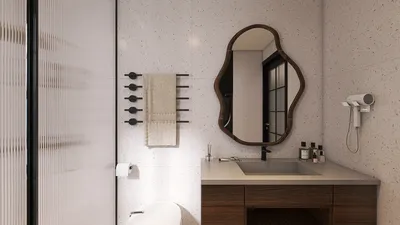


I once had a client request an innovative solution to conceal a washer-dryer combo behind a bookshelf — yes, a bookshelf! This experience highlighted how tight spaces inspire creativity in both clients and designers. The energy from small rooms fuels my desire to discover resourceful storage options that maintain a sense of calm and functionality. If you’re curious about how I tackled a similar challenge, take a look at my small-room layout, where a laundry nook blends seamlessly with the design.
1. Vertical stacking and hidden towers
My design approach typically involves looking up rather than outward. By stacking your washer and dryer or creating a narrow drawer tower above the unit, you can save precious floor space while keeping essentials easily accessible. The benefits are substantial: it creates more walking room and offers a neat visual line. However, it's crucial to get professional installation because of the need for vibration dampening in these compact setups.
save pin
2. Fold-down counters that double as worktops
Installing a fold-down countertop provides a surprisingly ample surface for folding laundry when necessary, and it conveniently disappears when not in use. I implemented this in a 5-foot-wide laundry nook, and it proved to be economical and efficient, enhancing the functionality of smaller spaces. Just remember to choose quality hinges, as flimsy hardware can be a common weak point in such designs.
save pin
3. Pull-out pantry shelves for detergents
Transform that narrow gap next to your washer into a pull-out pantry for detergent, stain removers, and dryer sheets. This design is my go-to for ensuring bottles remain upright and within reach without compromising space depth. In fact, I created a visual model using Homestyler to show how these slim drawers can fit into the layout seamlessly. Just ensure precise measurements to prevent interference with cabinet doors.
save pin
4. Wall-mounted drying and peg systems
When floor space is at a premium, the walls become essential allies. Utilizing a wall-mounted drying rack or installing a pegboard for items like brooms and baskets promotes a clutter-free environment by keeping everything off the floor. I appreciate the versatility of being able to swap out baskets or hooks according to seasons. However, proper anchors and studs are necessary to support heavier items, as lightweight drywall cannot bear too much weight without reinforcement.
save pin
5. Built-in baskets and organized cabinetry
Incorporating baskets within lower cabinets or pull-out hampers effectively hides clutter while facilitating sorting tasks. I often design a pull-out hamper beside the washer, featuring dividers for lights, darks, and delicates. This setup not only serves a functional purpose but also looks purposeful, accelerating the laundry process. For layout ideas inclusive of these elements, consider the stacked washer strategy I incorporate in Homestyler designs, which aids visualization. Keep in mind that built-ins typically come with a higher price tag compared to freestanding solutions.
save pin
FAQ
Q1: What’s the most space-efficient washer setup for a tiny laundry room?
I recommend utilizing a stacked washer-dryer or a combination unit to optimize floor space. Stacked designs free up vertical room for additional storage or a counter on top of the units.
Q2: Can I put a washer in a closet?
Yes, but attention to ventilation and water supply is paramount. Ensure that there is sufficient airflow, plumbing connections, and a floor drain or pan to guard against leaks.
Q3: How do I prevent mold in a small laundry room?
Adequate ventilation and proper dryer vent installation are vital for minimizing moisture. The U.S. Environmental Protection Agency (EPA) advises ensuring sufficient airflow and addressing leaks promptly to deter mold growth.
Q4: Are pull-out hampers harder to install?
Installation is generally simple if you're handy, but accurate cabinet measurements are critical. Ready-made kits are available to streamline the installation process and avoid errors.
Q5: What budget-friendly storage solutions work best?
Utilizing tension rods, adhesive hooks, and economical wall-mounted racks can enhance functionality without requiring extensive renovations. Applying paint and coordinating baskets can create a polished look for these affordable solutions.
Q6: Should I prioritize built-in cabinets or freestanding shelves?
Built-ins present a cleaner appearance and maximize every inch of space, yet they tend to be more expensive. Freestanding units offer flexibility and are more budget-friendly—your choice should align with your long-term plans.
Q7: How do I make a laundry room feel larger visually?
Opt for lighter colors, incorporate reflective surfaces such as glossy countertops or glass-front cabinets, and keep the floor space clear. Using vertical lines and consistent finishes tricks the eye into perceiving a more expansive area.
Q8: What safety tips should I follow for dryer vents?
Always clear lint traps after each use and inspect the venting system annually. Ensure that dryer vents direct outside and are unobstructed; improper venting can lead to moisture problems or pose fire risks.
save pin
Originally incubated at Autodesk, Homestyler has grown into one of the most widely adopted home design platforms in the world, now trusted by over 18 million users. Whether you're a homeowner exploring ideas or a professional designer delivering client-ready renders, Homestyler brings industry-leading 3D technology to your fingertips — no experience required.
Homestyler is your go-to online home design platform! With its user-friendly design tool, stunning 3D renderings, a wealth of design projects, and insightful DIY video tutorials, you can effortlessly create and visualize your dream space—perfect for both novices and experienced designers alike!
Desain sekarang Gratis
































