

One of the most amusing memories I have in kitchen design involved a client who was adamant about placing a chandelier directly above the stove. Yes, right over the stove! It was a recipe for disaster — grease and elegant crystals simply do not belong together. This experience underscored the importance of blending style with practicality, particularly when dealing with smaller kitchens and dining spaces. I believe that compact areas force us to unleash our creativity far more than expansive floor plans do. In this piece, I’ll share 10 decor concepts that have proven effective in my projects, harmonizing aesthetics with functionality and a few unconventional tips, such as using the innovative room design tool, Homestyler, to visualize transformations before taking the plunge.
1. Open Shelving to Add Character
I used to shy away from open shelving due to concerns about dust and disorder; however, in petite kitchens, they create a light, airy feel and showcase your personality beautifully. The key is to blend everyday dishware with decorative accents while keeping color schemes consistent. Just a word of caution — if maintaining neatness is challenging for you, consider integrating open shelves with some closed cabinetry.
2. Banquette Seating by the Window
Constructing a banquette in front of a window can transform a lackluster corner into a charming dining nook. It also provides valuable hidden storage underneath — perfect for cookbooks or additional linens. The main challenge? Stains from messy breakfasts, so choosing washable materials is crucial.
3. Bold Lighting Above the Dining Table
A striking pendant light can serve as the centerpiece of a dining area. In a recent compact apartment redesign, a large rattan fixture added a sense of warmth without being overpowering. Remember to choose the right scale for your lighting — a piece that’s too big can dominate the space, while one that’s too small might go unnoticed.
4. Versatile Kitchen Islands
For kitchens that also serve as dining areas, incorporating a slim island with stools can be remarkably effective. It creates additional prep space, dining area, and even a spot for homework. To ensure you get the proportions right in compact areas, consider using a free floor planning tool like Homestyler before installation.
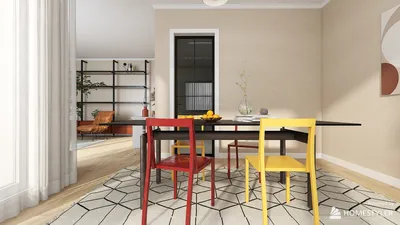
5. Eclectic Dining Chair Combinations
Blending chairs of various styles or colors instantly adds character. I once revitalized a mundane dining set by painting old chairs in complementary shades; clients thought I had purchased a chic designer set. The downside? This eclectic approach isn’t for everyone, so ensuring a balanced look is essential.
6. Vertical Storage Solutions
Utilizing vertical space above cabinets or adding slim shelves between appliances can free up precious counter space. I personally adore magnetic knife strips and hanging pot rails — they create a professional kitchen aura without the chaos.
7. Compact or Extendable Dining Tables
In small apartments, a drop-leaf dining table can be a huge asset. You can keep it minimal for daily use and expand it for guests. The only consideration is ensuring that your chairs can be easily tucked away or stacked when not in use.
8. Color Zones to Define Areas
If your kitchen seamlessly flows into the dining area, using color blocking can subtly delineate the spaces. For instance, I once separated these areas by painting the dining wall a deep blue while keeping the kitchen bright white. Coupled with ambient lighting, this approach felt like having two distinct rooms within one space.
9. Stylish Compact Appliances
Just because space is limited doesn’t mean it has to be uninspiring — many brands now offer sleek compact ovens, refrigerators, and dishwashers. In one renovation, a slim brushed steel fridge became a standout design feature. If you're uncertain about how these will fit with your existing cabinetry, consider experimenting with layouts using a kitchen layout planner, like Homestyler.
10. Incorporating Art and Decor in Dining Areas
Including framed artwork, a striking rug, or a feature wall can dramatically enhance a dining area. I have discovered that many people overlook dining decor, assuming it’s merely functional. However, when the space feels inviting, it gets used more often — and that’s truly the goal of good design.
FAQ
Q1: How can I create the illusion of a larger kitchen and dining room?
Incorporate light colors, reflective surfaces, and maintain unobstructed sightlines. Mirrors and glass tables can also be advantageous.
Q2: What type of lighting is ideal for integrated kitchen and dining areas?
The best approach combines task lighting in the kitchen with softer pendants or chandeliers above the dining table.
Q3: Is open shelving practical for kitchens?
Absolutely, as long as you are organized and only display visually appealing and frequently used items; the rest should remain behind closed doors.
Q4: How do I select a dining table for a compact area?
Choose oval or round tables to maximize space and improve flow; extendable tables can provide the flexibility you need.
Q5: What colors are best for small kitchen-dining rooms?
Light neutrals with fun bursts of color can keep the area bright and engaging without feeling constricted.
Q6: Are banquette seats comfortable for lengthy meals?
Yes, provided they are furnished with proper cushioning and back support; opt for durable and washable upholstery.
Q7: How can I define spaces without using walls?
Using color zoning, rugs, or varied lighting styles can effectively delineate areas without physical barriers.
Q8: Do my dining chairs need to be matching?
Not at all; mixing styles can create charm, but it’s important to maintain a consistent color or material palette for harmony.
Homestyler is your go-to platform for home design! Its user-friendly online design tool allows you to create stunning spaces effortlessly. With impressive 3D renderings, a variety of design projects, and helpful DIY video tutorials, you'll be inspired to bring your dream home to life.
Design jetzt kostenlos
































