

I once pushed a full-size bed so closely to a petite window that my client could only open it by standing on the mattress — a rookie error that emphasized the importance of visualizing the room layout in advance. Nowadays, I often kick off projects by presenting clients with intricate 3D layouts, enabling us to explore bed placements without any hassle. Small spaces demand creativity, and genuinely, they are my preferred kind of puzzle to solve.
1. Loft or Elevated Bed
Loft beds are ideal for compact rooms because they free up valuable space underneath for a desk, wardrobe, or a cozy lounge area. The benefits are clear: you enhance floor space without the need for extensive renovations. However, it's important to consider headroom and the sometimes daunting ladder that may feel a bit too tricky to navigate at 2 a.m.
Tip: Install under-loft rail lighting to visually differentiate the lower area — inexpensive LED lights can work wonders.
save pin
2. Built-in Bed with Storage Drawers
I’ve crafted multiple built-in beds that incorporate storage directly into the frame — featuring drawers, shallow shelves, and even concealed laundry hampers. This approach is both practical and organized; however, it’s a permanent solution, so it's worth contemplating resale implications if that's a concern.
Budget tip: modular drawer systems can serve as an affordable alternative to complete carpentry while still maintaining a custom look.
save pin
3. Corner or Diagonal Bed Placement
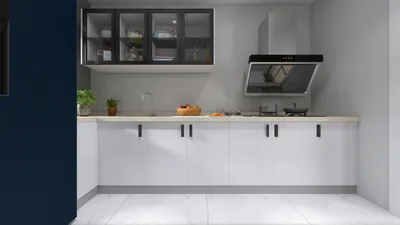
Arranging the bed diagonally or snug against a corner is a strategy I implement when circulation space is limited. This often opens up a clear pathway and makes a room feel less confined. I sometimes illustrate kitchen layout options to show how repositioning a single element can significantly enhance space — this concept applies universally.
Challenge: diagonal layouts can limit usable wall space for storage, so it's advisable to plan for shelves above the headboard or utilize vertical hooks.
save pin
4. Murphy or Wall Bed
Murphy beds are invaluable in studios or guest accommodations; they fold away during the day, transforming the space into a functional living area. They necessitate proper installation and might be an investment, but for multi-functional spaces, they are absolutely worthwhile.
Pro tip: combine a Murphy bed with fold-down side tables to prevent awkward furniture rearrangements.
save pin
5. Minimal Platform Bed with Visual Tricks
A low-profile platform bed, paired with a slim headboard and light bedding, can create an airy feel in a small room. I often complement it with vertical curtains, a tall lamp, and a floor mirror to enhance light and depth perception. For clients seeking intelligent, modern design solutions, I sometimes reference rapid 3D home mockups from tools like Homestyler to evaluate aesthetics before making purchases.
Small issue: minimalistic designs require organized storage elsewhere, so prioritize concealed baskets or under-bed organizers to maintain order.
save pin
FAQ
Q1: What's the optimal bed arrangement in a small room?
A: I typically position the headboard against the longest wall or in a corner, maintaining a clearance of 60–80 cm when feasible. For limited circulation, consider a diagonal layout or a loft bed to maximize floor space.
Q2: Is it possible to fit a queen bed in an extremely small room?
A: A queen bed can fit, but it will restrict circulation; measure both the door swing and the walking space before proceeding. If uncertain, consider a full/double or a tailored shorter mattress to conserve space.
Q3: Are Murphy beds safe?
A: Absolutely, contemporary Murphy systems come equipped with counterbalances and locks; professional installation minimizes risks. I always advise checking the manufacturer's load specifications and warranty coverage.
Q4: What can I do to make a small bedroom appear larger?
A: Utilize light colors, vertical lines, mirrors, and versatile furniture. Keep clutter off the floor and opt for low-profile beds to create the illusion of height.
Q5: What are the best storage solutions for under a bed?
A: Shallow drawers, rolling bins, and vacuum storage bags are my preferred choices due to their accessibility and affordability. Built-in drawers provide a tidier solution but can be pricier.
Q6: How much clearance should there be around a bed?
A: Aim for a minimum of 60 cm on one side and 40-50 cm at the foot to facilitate comfortable movement. Tight spaces can be functional if you prioritize clear pathways to doors and windows.
Q7: Do mattress size standards differ?
A: Yes, mattress dimensions vary by region, so it's crucial to measure both the room and mattress prior to purchase. Review retailer specifications and allow for additional space for frames, headboards, and bedding thickness.
Q8: How many hours of sleep are necessary for good health?
A: Most adults require between 7–9 hours of sleep each night. The National Sleep Foundation indicates that this range supports cognitive function and overall wellbeing (National Sleep Foundation).
save pin
Transform your home design dreams into reality with Homestyler! This intuitive online platform offers a powerful design tool, stunning 3D renderings, and a wealth of design projects and DIY video tutorials. Perfect for beginners and experienced designers alike, Homestyler makes creating your ideal space effortless and inspiring!
Design Now for FREE
































