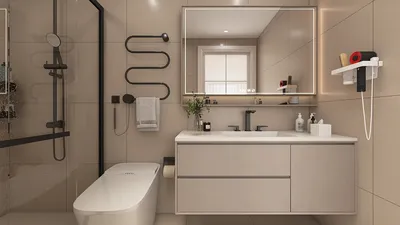


I often find humor in the story of a client who requested a purple wall that mimicked the glow of a theater curtain, all within a compact six-foot-wide galley bathroom. Initially, I considered suggesting neon colors, but I remembered the significance of thoughtful planning. My approach typically begins with creating a layout mockup to assess sightlines and lighting prior to applying any paint. Working with limited space requires making strategic choices, and it is precisely in these constraints that the most creative purple design ideas emerge.
1. Create a Striking Accent Wall
Select a single wall to make purple the focal point. An accent wall can make a bold statement while remaining budget-friendly: it requires less paint, minimizes risk, and can be easily repainted if you decide to change.
The advantage is that it injects character into the room without overpowering it; however, it’s crucial to balance the trim and furnishings to ensure that the purple appears purposeful rather than accidental.
2. Combine Purple with Warm Wood Tones
I love the way mid-tone purples harmonize with warm oak or walnut finishes. This combination softens the cooler hues of purple and adds an element of richness. In a recent project, I used a muted plum on one wall paired with natural wood shelving, creating a cozy and thoughtfully designed space.
Be cautious when selecting wood tones: excessively yellow woods may clash with purple, while overly dark shades can create a heavy feeling.
save pin
3. Incorporate Purple into Well-Lit Nooks
Alcoves with windows, reading corners, or narrow hallways are ideal for deeper purples, as natural or directed light prevents the color from appearing flat. I often use design software to simulate how light affects these areas — it allows for a better understanding of color contrast before making any commitments.
Tip: Installing a mirror or using glossy trim can help bounce light back into the purple space, creating a striking and surprisingly cost-effective effect.
save pin
4. Explore Textured Finishes and Patterns
Lavenders, plums, and mauves exhibit different characteristics depending on whether they are applied in matte, eggshell, or metallic finishes. Employing a textured roller or subtle stencil can add dimension, allowing purple to read more like a fabric than just a paint color.
Keep in mind that texture can accentuate imperfections, so preparing the surface properly is essential. If you enjoy DIY projects, experimenting with textured paints can provide significant visual impact for a modest investment.
save pin
5. Utilize Purple in Kitchens and Bathrooms
Purple can be successfully integrated into wet spaces if one opts for washable satin finishes and combines them with neutral tiles. Use purple sparingly around cabinetry or as a backsplash accent to maintain a fresh look.
To experiment with layout and design, conducting several kitchen layout simulations can prevent costly mistakes — placing purple behind open shelving appears differently than against shiny cabinetry.
save pin
FAQ
Q: Is it appropriate to use purple paint in small rooms?
A: Definitely — when applied as an accent or in well-lit areas, purple can add depth without making the space feel cramped. Keeping ceilings and trim light helps maintain an open atmosphere.
Q: Which shades of purple are best suited for compact spaces?
A: Lighter shades of lavender and muted plums are the most advisable; they reflect more light and feel less intense compared to brighter purples. Testing swatches on various walls is crucial for achieving the right effect.
Q: How should I coordinate purple with my furniture?
A: Pair purple with warm wood finishes, brass accents, or soft neutral shades like warm gray and cream. Incorporating textiles such as rugs and cushions can seamlessly tie your color scheme together without long-term commitment.
Q: Can purple make my room feel more confined?
A: Not necessarily — a single wall painted in purple can enhance a sense of depth and focus. However, avoid painting every wall the same deep shade of purple if you wish to keep the room feeling spacious.
Q: What paint finish is ideal for purple walls?
A: Satin or eggshell finish is typically the best choice for kitchens and bathrooms due to their easy cleanup and reduced visibility of roller marks. Matte finishes can lend a luxurious feel in living spaces but may highlight wear and tear.
Q: How can I maintain purple paint over time?
A: Opt for washable paints in high-traffic areas and maintain touch-up pots of the same batch for consistency. Quality primer and proper sealing techniques can minimize fading and blemishes.
Q: Are purple walls considered trendy or classic?
A: They can be both; while certain shades of purple may go in and out of fashion, dusty and muted purples tend to maintain a timeless appeal when coupled with classic materials. For insights on color trends, the Pantone Color Institute provides valuable data on color performance across seasons—refer to their official site for more information.
Q: How do I select colors that complement purple?
A: Complementary colors include soft greens, warm ochres, and neutrals like taupe. Testing small color samples next to your existing furniture will help you assess how hues interact in natural light prior to making any final decisions.
save pin
Discover your design potential with Homestyler! This user-friendly platform offers a fantastic online design tool, stunning 3D renderings, and a wealth of design projects and DIY video tutorials. Whether you're a novice or a pro, Homestyler makes transforming your space effortless and inspiring!
Progetta ora GRATIS
































