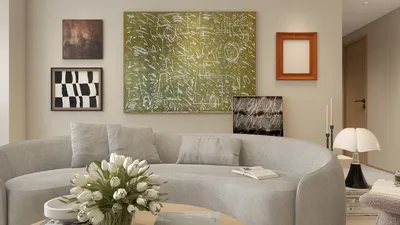


I vividly recall a time when I assured a client that "we'll keep it tidy," only to inadvertently turn their kitchen into a modern Jackson Pollock painting. The jittery moments, the laughter, and the unexpectedly beautiful outcome highlighted a pivotal lesson for me: even small spaces can inspire significant creative ideas. For those interested in playful wall designs, I’ve compiled five captivating paint splatter wall inspirations from real homes and studios, along with tips on what to expect and how to manage potential chaos. If you’re seeking more visual direction, explore these intriguing case studies that demonstrate how bold patterns can be transformed into charming living spaces with the help of tools like Homestyler.
1. Controlled Accent Splatter
I enjoy commencing with a designated area—specifically, an accent wall where the splatters are intentional rather than scattered randomly. This method provides a strong visual impact with minimal risk: it feels artistic without overwhelming the space, and can easily be repainted if your taste evolves. The primary challenge lies in maintaining control; using small brushes and practicing on cardboard first can help. Additionally, masking off trim will protect floors and furniture from accidental drips.
2. Ombre Splatter Gradient
For a more delicate approach, consider an ombre effect where the splatters shift from a dense cluster at the bottom to sparseness at the top, or in reverse. This technique adds a layer of depth and movement, making it ideal for slim hallways and compact studio apartments as the vertical gradient creates an illusion of height. Crafting a thoughtful color scheme and testing opacity on sample boards ensures a polished look rather than a chaotic one.
3. Metallic Accent Drips
Incorporating metallic hues like gold, bronze, or rose gold into your splatter mix can elevate a room with a luxurious touch that reflects light beautifully, especially in smaller spaces. I once experimented with this in a small dining nook, and the metallic nuances made the area feel festive and curated, perfect for intimate evenings. However, be aware that metallic paints can be pricier and may require more maintenance; using thin layers and a satin topcoat can enhance durability. Checking space planning examples can also guide you in determining the ideal placement.
save pin
4. Kid-Friendly Chalk-Splatter Play Wall
When designing spaces for families, I often suggest creating a washable chalk-splatter wall: start with a base of washable matte paint, then add playful splatters with chalk paint, allowing kids to doodle over it only to wipe clean later. This approach is interactive, financially savvy, and worry-free as it minimizes the risk of permanent stains. It’s crucial to select a resilient base coat and establish clear boundaries around furniture placement to avoid accidental marks on upholstery.
save pin
5. Monochrome Texture and Layering
For those preferring subtler designs, consider monochrome splatters complemented by a thin layer of glaze or textured paste. This approach conveys sophistication rather than childishness and is especially suited to minimalist living spaces. I transformed a compact studio once with layered whites and grays, making the wall feel textured while maintaining an open feel, which ultimately enhanced the entire room. Keep in mind that layering requires adequate drying time, and testing out patches is advisable to achieve the right contrast; for final design concepts, I frequently direct clients to galleries featuring detailed 3D renderings, which can be brought to life using Homestyler.
save pin
FAQ
1. Are paint splatter walls hard to clean?
It really depends on the type of paint used. Selecting washable latex or satin finishes for the base, topped with a protective varnish over the splatters, enables simple cleanup with a damp cloth.
2. Can I create a splatter wall in a rental?
Absolutely—consider using removable wallpaper sheets featuring splatter designs or crafting a temporary panel that can be hung and removed later, preserving the original wall's finish.
3. What paints are best for splatter techniques?
Water-based acrylic or latex paints are typically the easiest for splattering and cleaning up afterward. For highlights, a trace of metallic enamel lends a pleasing sheen, but be sure to test for compatibility first.
4. How can I protect floors and furniture while splattering?
I always recommend using 6-mil plastic sheeting and drop cloths secured with painter's tape. It's also wise to reposition furniture or cover items completely to avoid inadvertent stains.
5. How much does a splatter wall typically cost?
The expenses can vary: if you go the DIY route with sample cans, you might spend under $100, while hiring a professional for complex layered or metallic effects might cost several hundred dollars, depending on the intricacies involved.
6. Are there safety considerations with older paint layers?
If your home was painted before 1978, it’s essential to check for lead paint and adhere to EPA guidelines regarding remediation. Always perform tests before disturbing older layers.
7. How do I choose colors that work well in a small room?
I typically guide clients toward using a dominant neutral combined with one or two accent colors; in smaller spaces, cooler or lighter base tones help maintain an airy atmosphere while splatters inject individuality.
8. Can splatter techniques be replicated digitally for planning purposes?
Indeed, mockups and 3D render previews are invaluable for visualizing scale and placement—they minimize uncertainty and facilitate decision-making before any paint is applied.
save pin
Looking to transform your space? Homestyler is your go-to online home design platform! With an intuitive design tool, stunning 3D renderings, a wealth of design projects, and helpful video tutorials, you can effortlessly create the home of your dreams. Start designing today!
Progetta ora GRATIS
































