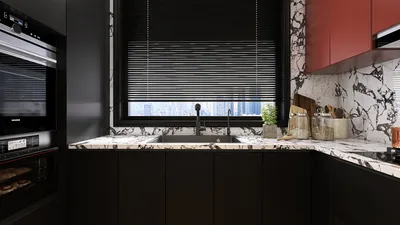


I once took on a challenging project to design an outdoor kitchenette for a client on a 6-foot balcony. They insisted on fitting in a grill, sink, fridge, and an herb garden — and surprisingly, they even wanted space for dancing. This daunting task prompted creative solutions, teaching me that limited outdoor spaces can inspire remarkable design ideas. If you're faced with a narrow concrete area and are curious about how to balance cooking, entertaining, and still having room to move, these outdoor kitchen layouts are the strategies I frequently employ, including quick 3D mockups for confirmation: outdoor kitchen layout ideas.
1. Linear galley layout with vertical storage
I find that a straight-line configuration works perfectly for narrow patios, keeping every necessary item within reach while maintaining an uncluttered appearance. By utilizing stackable cabinets, a slim refrigerator, and a fold-down prep shelf, you achieve efficiency without the bulk. While counter length may be limited, inventive vertical hooks and magnetic strips can maximize space. In one instance, I added a thin wooden slat wall for tool storage and mounted herb pots, enhancing the aesthetics while saving 2 square feet of cabinet space.
save pin
2. Fold-away stations and multipurpose surfaces
Having fold-down counters, slide-out cutting boards, and combination appliances can be a game-changer in compact kitchens. For a client’s balcony, I integrated a pull-out cutting board above a pull-out microwave drawer — this arrangement makes cooking feel seamless. However, this setup does require occasional extra assembly time and sacrifices a bit of permanence. Affordable hardware options make this design concept achievable, though high-quality hinges are advisable to withstand outdoor conditions.
save pin
3. Compact island on wheels for flexible hosting
A wheeled mobile island offers cooking capabilities as needed, yet can be easily cleared away for social gatherings. I once created a mobile cart complete with a built-in induction cooktop and lockable wheels to ensure stability while cooking. This design is sociable and versatile, but it is crucial to factor in weather protection and storage solutions for the wheels — I often coat the base with marine varnish for durability and use waterproof covers during off-seasons.
save pin
4. Integrate seating into the work surface
Seating solutions like benches that convert into prep surfaces or counters with hidden stools can save space while fostering conversation. I suggest using materials such as compact composites or sealed teak, which perform better under spill and sun exposure than untreated woods. This approach may sacrifice some lounging area for practicality, but for frequent entertainers, the trade-off offers added value: it pulls everyone closer to the action.
save pin
5. Embrace tech: compact grills and simple automation
Utilizing smaller, intelligent appliances can surprisingly enhance functionality. I often specify compact grills, drawer refrigerators, and motion-sensor lighting to promote efficiency and safety. I find it helpful to visualize projects using detailed tools, which clarify sightlines and weather protection, helping clients make more informed decisions: 3D render home. Even though there is a learning curve with various smart devices, once they are established, they simplify operations and minimize clutter.
save pin
Bonus practical tips and budget notes
Consider a modular approach: begin with the essentials (grill, prep, shelter) and add additional features as your budget allows. I typically advise clients to prioritize durable cabinetry that can withstand the elements and ensure reliable water supply — less expensive appliances can always be upgraded later. If you’re taking a DIY approach, focus your investment on secure anchors and protective covers; these will safeguard everything else and enhance longevity.
save pin
Final thoughts
When designing small outdoor kitchens, you're often confronted with critical decisions, and these constraints can lead to cleaner and more enjoyable outcomes. I have transformed tiny spaces into areas where families can cook, socialize, and even dance — even on balconies. If you're eager to try out different layouts efficiently, experimenting with AI-assisted tools like Homestyler can accelerate your decision-making process: AI interior design. Be prepared for some compromises, account for weather variations, and focus on what you'll use most — the remaining aspects are bonuses.
save pin
FAQ
Q1: What is the minimum size for an outdoor kitchen on a balcony?
A: A functional outdoor kitchen can be established in as little as 3–4 feet of linear space if slender appliances and fold-away surfaces are employed. Ensure you prioritize a prep area and adequate ventilation for any cooking appliance.
Q2: Can I use regular indoor cabinets outside?
A: It is recommended to avoid regular indoor cabinets unless they are completely sealed; opt for marine-grade or outdoor-rated cabinets to resist moisture and UV damage. Proper sealing and elevation from the floor can enhance durability.
Q3: How do I prevent smoke and smells in a small outdoor kitchen?
A: Selecting an electric or induction cooktop can help minimize smoke, placing grills away from walls, and incorporating a small canopy or vent hood if feasible. Cross-ventilation and surrounding plants also help dissipate odors effectively.
Q4: Are gas grills safe on balconies?
A: Gas grills can be considered safe if local regulations allow, and if you adhere to distance and ventilation guidelines; it’s essential to check your building rules before installation.
Q5: What outdoor materials last longest within budget constraints?
A: Powder-coated steel, composite countertops, and sealed hardwoods like teak offer a good balance of price and durability. Regular maintenance extends their lifespan, so allocate a budget for yearly sealing or touch-ups.
Q6: How can I keep an outdoor kitchen low-maintenance?
A: Opt for stainless or powder-coated appliances, select composite or stone surfaces, and limit fabric usage outdoors. Utilizing removable covers and easy-drain sinks can cut down on cleaning time.
Q7: Where can I find design guidelines or safety recommendations?
A: For safety and environmental guidelines, refer to the U.S. Environmental Protection Agency’s resources on outdoor air and combustion appliances (https://www.epa.gov) and your local building codes for installation directives.
Q8: How do I visualize different layouts before making a purchase?
A: I typically sketch multiple fast layouts and utilize 3D mockups to assess scale and flow; even basic visualizations clarify decisions and prevent costly errors.
save pin
Built on technology originally developed at Autodesk, Homestyler empowers anyone to design beautiful, realistic spaces in minutes. Join over 18 million users who have already discovered a smarter way to plan, visualize, and bring their dream homes to life — all from the comfort of a browser.
Looking to redesign your space? Homestyler is your go-to online platform! With its user-friendly design tool, stunning 3D renderings, and a wealth of DIY video tutorials, you can effortlessly explore and create your dream home. Start your design journey today!
Diseño ahora GRATIS
































