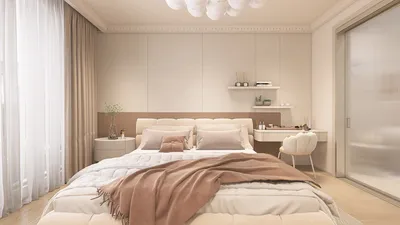


I once attempted to squeeze a bar-height table into a cramped bedroom when a client insisted, "I want a nightstand that can also serve as a cocktail station." It turned into a chaotic situation—glasses ended up on the floor, my client’s husband tripped, and my designer dignity took a hit. That experience made me appreciate the value of constraints: small spaces push us to make clever decisions and tap into unexpected creativity. If you're searching for nightstands suitable for compact areas, I'll share five successful solutions from my projects, along with a humorous warning about balancing trays and dreams of sleep.
1. Sleek floating shelves with concealed drawers
I frequently recommend using a slim floating shelf paired with a shallow drawer; it offers a light and airy appearance while providing ample space for essentials like your phone, book, and glasses. The benefit is the visual openness and ease of cleaning beneath it. However, the downside is the limited surface area, making it incompatible with large lamps. For those on a budget, consider ready-made floating hardware and paint it to match the wall for a more integrated feel, possibly utilizing tools like Homestyler to visualize the layout.
save pin
2. Leaning ladder nightstand
A ladder-style nightstand leans against the wall, offering multiple tiers without occupying precious floor space. I used one in a studio where the client enjoyed showcasing a plant and had a small drawer for chargers. It can feel less stable compared to traditional tables, so I always advise securing the top to the wall for safety—particularly in homes with children or pets.
save pin
3. Recessed bedside nook with a mini shelf
If your walls permit, creating a shallow recessed niche can function as a perfect built-in nightstand that seamlessly blends into the room's architecture. This option requires a bit more effort and might need a contractor, but the result is an unobtrusive design that maximizes walking space. If you're keen to explore layout possibilities before making a commitment, trying out cabinet placements in a mockup can be beneficial—this approach applies to assessing niche depths and shelf placements accurately, potentially using tools like Homestyler for 3D visualization.
save pin
4. Versatile ottoman or bench
An upholstered ottoman positioned next to the bed serves as a seat, surface, and offers internal storage all in one. I suggested this option to a client who needed a spot to sit while dressing, alongside some extra linen storage. The drawbacks include its bulkiness and the challenge of maintaining upholstery, but opting for a slim rectangular shape keeps the area accessible and allows it to double as a gentle nightstand surface.
save pin
5. Tall and narrow column cabinet
Emphasize vertical space: a slim column cabinet or tower makes effective use of height when width is scarce—offering drawers, shelves, and even a hidden charging station. This is particularly advantageous in tiny bedrooms where horizontal space is at a premium; just be cautious of the cabinet's depth so that it doesn’t impede the bed’s edge. To visualize how it would fit in the room, I often incorporate a model into a 3D render, allowing clients to see scale and shadows—this approach helps prevent surprises once the item arrives. I frequently utilize realistic 3D scenes to preview before obtaining the actual piece, leveraging tools like Homestyler for superior design outcomes.
save pin
FAQ
Q1: What is the ideal nightstand size for a small bedroom? A1: Aim for a width no more than half the width of your nightstand wall, with a depth under 16 inches for tight pathways. The height should match within 1–2 inches of your mattress for easy reach.
Q2: Are wall-mounted nightstands stable enough? A2: Yes—when securely anchored to studs or with durable toggles, they are very reliable. I always advise professional installation if you plan to store heavier items.
Q3: Is an ottoman suitable for use as a nightstand? A3: Definitely—opt for a rectangular ottoman that aligns with the bed’s edge; it provides extra seating and hidden storage, but ensure it has wipeable fabric if you plan to use it for drinks.
Q4: How can I incorporate charging into a small nightstand? A4: Consider installing a shallow drawer with a built-in outlet or using a cable grommet on a floating shelf; keeping cords hidden preserves the clean aesthetic in small spaces.
Q5: What materials are ideal for nightstands in compact spaces? A5: Light-colored woods, matte finishes, and slender metal legs minimize visual bulk. Incorporating mirrors or glossy finishes can reflect light, creating a more expansive feel.
Q6: Where can I find layout ideas and inspiration? A6: Explore case studies and 3D mockups from professional platforms to visualize scale and storage. These previews save time and help avoid regrets—trust me, I learned that the hard way.
Q7: Are built-in niches worth the investment? A7: If executed correctly, they enhance real value and conserve floor space, but they require planning and potential contractor work. Consulting design standards such as the National Kitchen & Bath Association (NKBA) guidelines can help in determining ergonomic depths and clearances (nkba.org).
Q8: Any tips for a tight budget? A8: Consider upcycling a narrow bookshelf, adding a drawer front to a floating shelf, or repurposing a bedside crate with a cushion on top. Small adjustments—like paint, hardware, and lighting—can significantly elevate budget-friendly pieces to feel more custom.
save pin
Homestyler is your go-to online platform for stunning home design! With an easy-to-use design tool, impressive 3D renderings, and a wealth of design projects and video tutorials, you can effortlessly create and visualize your dream spaces. Transform your home design journey today!
Zaprojektuj teraz za darmo
































