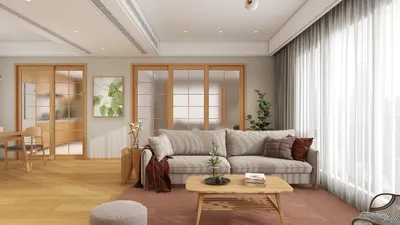


I once attempted to fit a vintage farmhouse table into a 7-foot-wide apartment, and what followed was a lesson in compromise rather than woodworking — the table endured, but my knees did not fare as well. That unfortunate experience revealed to me that tight spaces aren’t limitations; they can inspire creative design solutions. To see how a confined layout transformed into a delightful dining area in an actual renovation, explore this room makeover example.
Slim banquette seating with a narrow table
I have a fondness for banquettes in narrow spaces because they snugly accommodate people without the clatter of chairs being pushed around. A built-in bench on one wall maximizes room on the opposite side and offers storage beneath the seat — perfect for linens or extra cutlery.
Advantages: cozy atmosphere, efficient storage options, and fewer legs to trip over. Challenge: custom upholstery may incur extra costs, but using vinyl or stain-resistant fabrics simplifies upkeep.
save pin
Drop-leaf or folding table that expands on demand
For small spaces, a wall-mounted drop-leaf or a folding table styled like mid-century designs is invaluable: compact for everyday use yet generous for entertaining guests. I once utilized a fold-down steel bracket system that held up to eight place settings when extended.
Advantages: adaptable size and budget-friendly choices. Drawback: the hinges and hardware must be durable — low-quality fittings may start to creak after a year or two.
save pin
Mirrors, vertical lighting, and reflective backsplashes
Utilizing mirrors and vertical lighting significantly enhances the visual space of a cramped room — they open it up without needing to rearrange any furniture. I frequently position a large mirror across from a light source and install a slim wall sconce to enhance depth and height simultaneously; if you're looking for a practical initial layout, this free floor plan example helped a client visualize the changes before proceeding with any construction.
Advantages: high impact at a low cost. Consideration: mirrors can also showcase clutter; hence, it’s wise to pair them with concealed storage or a tidy rules system.
save pin
Multi-use furniture: console to dining table conversions
Convertible furniture is my go-to strategy. A narrow console that transforms into a dining table or a nesting set that stacks away during the day and unfurls at night offers flexibility without needing extra room.
Advantages: versatility and intelligent storage; minor challenge: ensure you choose solid sliding mechanisms and test ergonomics to prevent wobbly dinners.
save pin
Diagonal placement and slim sideboards
Setting a narrow table at a slight angle (15–25 degrees) can create the illusion of a more spacious walkway and diminish the tunnel effect. Coupling this setup with a low-profile slim sideboard for serving and storage — I applied this method in a 9-meter-long narrow loft, and the diagonal arrangement made the entire area feel intentional rather than squeezed.
Advantages: facilitates flow and adds visual interest. If you are coordinating with kitchen zones, checking out a kitchen layout case can assist you in maintaining efficient movement when working with limited space.
save pin
FAQ
Q1: What table sizes are ideal for a narrow dining area?
I recommend tables that are 24–30 inches wide for extremely narrow spaces and up to 36 inches if you have a bit more width. Always allow for at least 30–36 inches of walkway clearance on the main circulation side.
Q2: Are banquettes more advantageous than chairs in narrow areas?
Banquettes are great for saving lateral space and minimizing visual clutter from chair legs; they also accommodate more seating along a wall. However, this comes with the trade-off of reduced flexibility compared to movable chairs.
Q3: Which materials are easiest to maintain in a cramped dining space?
Options like laminate, sealed wood, and performance fabrics are both forgiving and budget-friendly. It’s best to avoid textured upholstery that can trap crumbs if you entertain often.
Q4: How can I create an airy feeling in a narrow dining room using lighting?
Implement layered lighting: a central pendant for focus, wall sconces to elevate the walls, and under-shelf or cabinet lights to diminish shadows. Vertical lighting sources highlight height better than floor lamps.
Q5: Is it wise to connect a narrow dining area to the kitchen?
Open designs can feel more spacious, but it is essential to have clear paths for movement and visual divisions to prevent the chaos of cooking from overshadowing dining. If you're planning structural changes, consult a contractor early on.
Q6: What spacing should be maintained between the table and cabinets?
The National Kitchen & Bath Association (NKBA) recommends 42–48 inches for main walkways and at least 36 inches for secondary aisles; adhering to these guidelines will ensure smooth traffic flow (source: nkba.org).
Q7: How can I incorporate storage without overcrowding the area?
Think vertically: tall, narrow cabinets, shelving placed above head level, and utilizing under-bench storage. Mirrors that include hidden cabinets merge functionality with visual expansion.
Q8: What is a quick styling tip for narrow dining areas?
Opt for light textiles and a runner that emphasizes the room’s length rather than its narrowness; a longer rug visually elongates the space, while a shorter one can disrupt its flow.
save pin
Homestyler is your go-to online home design platform! With its user-friendly design tool, stunning 3D renderings, and a treasure trove of design projects and video tutorials, you can easily transform your space and unleash your creativity—regardless of your experience level!
Zaprojektuj teraz za darmo
































