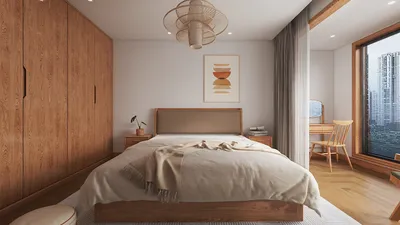


I once accepted a challenge to create a seaside mural under the cover of night because the client insisted they wanted the effect of moonlight. However, I quickly realized that moonlight plays tricks on color perception. This experience emphasized the importance of planning and scale, which is why I recommend that clients visualize their layout in real scale before diving into bold mural projects. In smaller rooms, clever thinking is essential, as even a minor error can appear magnified.
1. Mini-Mural Accent Strip
Rather than painting an entire wall, consider creating a horizontal or vertical accent strip around a bed or sofa. This method offers the dramatic effect of a mural without the extensive time and resources, plus it's easy to change if your style evolves.
The benefits are clear: it's budget-friendly and straightforward to apply; however, be cautious with proportions since a strip that is too narrow can seem out of place. I implemented this idea in a rental bedroom, and the landlord appreciated the striking effect without compromising flexibility for the space.
save pin
2. Trompe-l'oeil Nook Extension
Create an optical illusion of a built-in shelf, arch, or window to give a sense of depth to a restricted corner. This clever technique enhances sightlines and maintains a playful atmosphere without needing major renovations.
Benefits include a sense of spaciousness and a personalized finish; however, the challenge lies within the precise execution of perspective and shading. If you’re uncertain about shadow work, try a simpler architectural design first on poster board to build confidence.
save pin
3. Botanical Vertical Story
Employ oversized leaves or stems arranged vertically to draw the eye upward—this approach works particularly well behind dressers or in tight entryways. It creates the illusion of height and pairs harmoniously with real plants for textural contrast.
This technique is forgiving of brush strokes and is ideal for renters since it allows painting around existing furniture. However, intricately detailed foliage can take a significant amount of time to complete. When coordinating with cabinetry or kitchen areas, use a small mockup to experiment with colors and their interactions with other features, and even plan kitchen zones adjacent to the mural with tools like Homestyler for a cohesive design.
save pin
4. Geometric Grid for Multifunction Walls
Implement a simple grid or angled pattern to create designated zones for display, work, and media. This approach acts as a designer's versatile tool, perfect for organizing visual chaos on multifunctional walls, especially in studios or living spaces.
Its strengths lie in the structured organization and ability to be replicated; however, the challenge can arise from needing precision with tape and ensuring color harmony. For a quicker solution, use two complementary colors, embracing the minor imperfections that contribute to character.
save pin
5. Chalkboard + Mural Hybrid
Merge a painted mural with a chalkboard area for jotting down notes, recipes, or changing art. This interactive feature keeps the environment dynamic—especially effective in kitchens, children's rooms, and compact home offices.
It is cost-effective and functional, though be mindful of the maintenance involved with chalk dust and the need for a durable finish. If you're toying with different scales and placements, utilizing AI tools like Homestyler can help visualize how the mural interacts with your furnishings and overall layout.
save pin
Tips 1:
Begin by testing a small painted sample on foam core to evaluate color under various lighting conditions. Opt for low-VOC paint for better air quality indoors, and always prepare glossy surfaces with primer. If your budget is tight, concentrate your decorative effort on the eye-level strip; using a flat color elsewhere can maintain an intentional look.
save pin
FAQ
Q1: What are the easiest mural styles for beginners?
A1: For beginners, simple geometric shapes, large botanical designs, and single-color silhouettes are the most approachable. They require less detailed brushwork and are easy to correct with sanding or repainting if necessary.
Q2: How much paint will I need for a small wall mural?
A2: A small accent mural of approximately 6–8 square meters will typically require 1-2 liters of paint per color, dependent on surface coverage. Be sure to purchase a bit more for any touch-ups you might need.
Q3: Is it feasible to paint a mural in a rental?
A3: Absolutely—using removable primers or limiting the mural to non-permanent panels is a good approach. It's wise to discuss your plans with the landlord and select paints that can easily be removed or painted over.
Q4: What essential surface preparations are needed?
A4: It's crucial to clean, sand, and prime the wall for optimal paint adhesion. If your residence was constructed prior to 1978, ensure to test for lead paint and follow EPA guidelines before proceeding with any sanding or disturbance of older layers.
Q5: Are murals costly?
A5: Prices can vary greatly—DIY murals can be quite economical (just the cost of paint and brushes), while hiring an artist involves additional costs for labor. It's important to factor in the budget for primers, topcoats, and protective finishes.
Q6: How can I select colors that harmonize with my furniture?
A6: Choose three tones from around the room—one dominant, one contrasting, and one neutral. Test these colors on the wall and evaluate how they appear throughout the day before making a final decision.
Q7: What tools are recommended for achieving a clean finish?
A7: Investing in quality rollers, angled brushes, painter’s tape, and a small sponge for blending will yield great results. For geometric designs, a laser level or straightedge will ensure crisp line work.
Q8: Can murals contribute to increasing resale value?
A8: While personalized murals may not attract every potential buyer, well-crafted neutral-themed feature walls often photograph beautifully and can elevate the perceived aesthetic of a home. When in doubt, resort to reversible options that can easily be updated by future owners.
save pin
Discover the power of Homestyler, the ultimate online home design platform! With an easy-to-use design tool, stunning 3D renderings, and a plethora of inspiring projects and video tutorials, you can effortlessly transform your dream space into reality. Perfect for both novices and experienced designers!
Progetta ora GRATIS
































