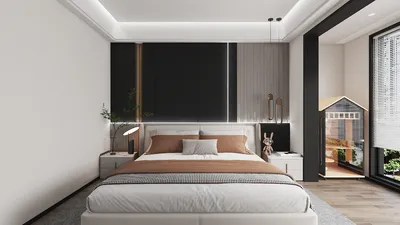


In a past project, I found myself rushing to wrap up a small studio remodel before the client returned from their getaway. In my haste, I accidentally installed a motion sensor indoor wall light upside down. Surprisingly, the client fell in love with it just as it was and asked me to leave it that way. This experience taught me an important lesson: small spaces can encourage playful and creative design. It’s amazing how small areas can inspire big ideas, and ever since, motion sensor wall lights have become one of my go-to solutions for quick lighting upgrades.
1. Sleek LED Sconces Featuring Warm Dimming
I prefer using sleek LED motion sensor sconces in tight hallways and small entryways. They are slimline, energy-efficient, and emit a warm, inviting glow as you pass by. The benefits are evident: no switches needed, immediate illumination, and savings on power bills. The only challenge is selecting the right color temperature to ensure it doesn’t appear too sterile.
save pin
2. Kitchen Under-Cabinet Motion Strips
For compact kitchens, I often incorporate motion-activated LED strips under cabinets to illuminate countertops during late-night snack raids. This solution provides task lighting without cluttering your walls, and it won’t disturb anyone else in the house. It’s essential to plan the wiring or select battery-operated models—I once cleverly concealed batteries behind a spice jar ledge, which turned out quite effective.
save pin
3. Motion Lights Mounted by the Bed
In small bedrooms, having a motion sensor wall lamp next to the bed eliminates the need to search for light switches. This setup is excellent for sleepy parents or avid readers at night while keeping nightstands clutter-free. One downside is the occasional false trigger from pets, but adjusting the delay setting can resolve that issue.
save pin
4. Safety Lights for Staircases
Staircases are another ideal location for small motion sensors; installing them along the wall enhances safety while adding a dramatic effect. I installed these in a duplex, and the client affectionately dubbed them "magic footsteps." They consume minimal energy while providing a clear path, although mounting on uneven surfaces sometimes requires a shim or small plate.
save pin
5. Soft Guide Light for Bathrooms
Low-level motion sensor wall lights in bathrooms are a smart, sleep-friendly option, offering just the right amount of illumination for those midnight trips. I suggest using warm, low-lumen lights to prevent fully waking up; also, ensure the fixtures have appropriate waterproof ratings for areas exposed to moisture.
If you want to visualize how these light placements would look, I frequently utilize the 3D floor planner on Homestyler to sketch out lighting positions and sightlines.
save pin
Tips 1:
Keep budget in mind: while battery-operated options may seem cheaper initially, they require regular replacements; hardwired models can be more economical in the long run but need professional installation. A crucial installation tip is to test the motion detection angles before finalizing the mounting to eliminate blind spots or over-sensitivity issues. For a cohesive look, ensure that the fixture finish matches nearby hardware or switch plates.
save pin
FAQ
Q: Do motion sensor wall lights consume a lot of energy? A: Absolutely—most contemporary motion sensor LEDs use very little power, activating only when necessary, which saves electricity compared to continuously on fixtures.
Q: Will motion lights detect pets? A: Some units may trigger from pets; it's best to select models with adjustable sensitivity or install the sensor at an appropriate height to mitigate false activations.
Q: Can I set up motion sensor wall lights on my own? A: Battery models are generally easy for DIY projects, while hardwired fixtures should be installed by a licensed electrician to comply with local regulations.
Q: What is the best color temperature for indoor settings? A: Warm white (2700K–3000K) is ideal for living and sleeping areas, while 3000K–4000K is best for workspaces like kitchens for clearer visibility.
Q: Are motion sensor lights appropriate for bathrooms? A: Yes, as long as they have the correct IP rating for wet areas; it’s always essential to check a product’s waterproof rating prior to installation in the bathroom.
Q: How long is the lifespan of motion sensor LEDs? A: Quality LEDs can last between 25,000 and 50,000 hours; their longevity is also influenced by materials and operating conditions. For more detailed information on LED performance and efficiency, refer to the U.S. Department of Energy’s guidelines (https://www.energy.gov/eere/ssl/led-basics).
Q: Are there dimmable motion sensor lights? A: Certain models do feature dimming capabilities or warm-dim options, though not all include this; it’s best to check the specifications. For the most versatility, consider pairing sensors with compatible dimmable drivers or integrating them into a smart home system.
Q: How can I prevent false triggers from sunlight? A: Positioning sensors out of direct sunlight and selecting models with adjustable sensitivity or daylight sensors can help avoid activations during the daytime.
save pin
Homestyler is your go-to online home design platform! With its user-friendly design tool, stunning 3D renderings, and a wealth of inspiring design projects and DIY video tutorials, you can effortlessly create your dream space, regardless of your experience level. Start designing today!
立即免费设计
































