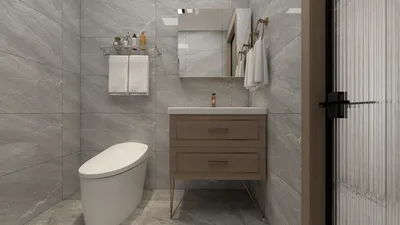


I once took on a project to paint a mirror frame for a client who wanted it to resemble a sunset—unfortunately, I mixed up the colors and ended up delivering a result that looked closer to a stopped clock. We shared a good laugh, corrected the error, and I've since realized how much a simply painted frame can transform an entire room. For those who prefer to visualize designs before making a commitment, I frequently showcase the final appearances using photo-realistic renders, allowing clients to know exactly what they will receive.
Creativity often blossoms in small spaces, and hand painting a mirror frame ranks among my top budget-friendly tips. In this article, I'll present five of my favorite styles, what I appreciate about each, and a few potential challenges to avoid, steering you clear of my sunset mishap.
1. Bold Geometric Patterns
Geometric frames are a personal favorite—envision triangles, stripes, or chevrons crafted in two contrasting colors. They have a modern appeal, are easy to execute with painter’s tape, and maintain a sharp look even across narrow hallways. The key lies in precise tape application: take your time, use a level, and be prepared for a minor touch-up once the tape is removed.
save pin
2. Vintage Distress with Gold Leaf
When working with thrifted frames that boast character, applying a distressed base coat combined with selective gold leafing conveys a sense of luxury without breaking the bank. My usual approach includes selective sanding, glazing with a warm brown wash, followed by the application of gold leaf to elevated areas. The aging process is quite beautiful, though gold leaf can be tricky—take your time, work in small sections, and allow ample time for the adhesive to set.
save pin
3. Botanical Hand-Painted Motif
Incorporating floral designs, vines, or simple leaf patterns can soften a space, and they often forgive minor imperfections in brushwork. I typically start by sketching a loose outline with a pencil, apply block colors, and then add veins and highlights. If you're strategizing placement, consider how mirrors interact with surrounding elements—I often test mirror positioning alongside room layouts to ensure the painted border complements nearby plants or sconces effectively.
save pin
4. Soft Ombre Color Wash
An ombre wash melds two or three shades, creating a subtle, modern aesthetic that harmonizes beautifully with diverse decor. Use a sponge or a large brush, working while the paint is wet to ensure seamless blending. While it's a budget-friendly and forgiving technique, avoid heavily textured surfaces, as uneven glazes are more noticeable in gradient finishes.
save pin
5. Stencils, Typography & Mixed Media
Utilizing stencils enables you to create intricate patterns in a short time; additionally, combining paint with small mosaics, rope trims, or inset tiles can dramatically enhance the appeal of the frame. One time, I added mirrored tiles to a frame and transformed a plain bathroom into a captivating focal point. If you're refreshing a kitchen mirror or breakfast nook, reflecting light can truly change the atmosphere—explore some inspiring space-saving kitchen ideas that beautifully incorporate a decorative mirror.
save pin
Tips 1:
Opt for acrylic or chalk paints for effortless cleanup; sealing with a satin or clear polyurethane will protect high-touch edges. Keep spare brushes and a small artist brush handy for touch-ups, and allocate extra hours for sanding and sealing—these steps can elevate the finish to a more professional standard.
save pin
FAQ
Q: What types of paint work best for a mirror frame?
My go-to choices are acrylic and chalk paints due to their excellent adhesion and quick drying times. For areas exposed to the elements or moisture, opt for a water-resistant topcoat.
Q: Is it possible to paint over gilded or metallic frames?
Indeed—just lightly sand and apply primer beforehand to ensure proper bonding of the new paint. If you want some metallic elements to remain visible, mask off sections and layer instead of covering completely.
Q: How can I safeguard a painted frame against chips?
Apply a clear polyurethane or water-based polycrylic for protection. To minimize yellowing, avoid oil-based products; apply thin coats and lightly sand between applications for durability.
Q: Are there straightforward patterns suitable for beginners?
Absolutely—consider two-tone stripes, a simple dotted border using a round sponge, or an easy-to-use leaf stencil. These designs can conceal minor imperfections and appear intentional.
Q: Can I paint over a frame that has old paint or varnish?
Yes, but preparation is crucial: clean, lightly sand to degloss, and then prime. Proper preparation is essential to prevent peeling and to enhance adhesion later on.
Q: Is it safe to paint frames from older thrift shop finds that might have lead paint?
If the piece is vintage, proceed with caution. According to the U.S. Consumer Product Safety Commission, lead paint for residential applications was banned in 1978; if you suspect lead, have it tested or seal it beneath new paint rather than sanding aggressively (U.S. CPSC: https://www.cpsc.gov).
Q: How long does a DIY painted frame project usually take?
Typically, most straightforward frames require a few hours spread over a couple of days to allow for drying and sealing. More intricate techniques, like gilding or mosaic inlays, demand extra time and a bit more patience.
Q: Do you have any budget-friendly tips for supplies?
Thrift stores offer excellent finds for frames; use sample-sized paints and repurpose existing hardware. Investing in a set of quality brushes and a clear sealer can be worthwhile—such small splurges can save time and ensure a professional finish.
save pin
Originally incubated at Autodesk, Homestyler has grown into one of the most widely adopted home design platforms in the world, now trusted by over 18 million users. Whether you're a homeowner exploring ideas or a professional designer delivering client-ready renders, Homestyler brings industry-leading 3D technology to your fingertips — no experience required.
Homestyler is an outstanding online home design platform that empowers you to unleash your creativity. With its user-friendly design tool, stunning 3D renderings, and a wealth of DIY video tutorials, transforming your space has never been easier. Start designing your dream home today!
Progetta ora GRATIS
































