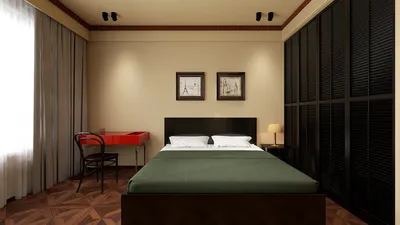


I once worked with a client who wanted a multifunctional dining room that could serve as a yoga area, office desk, and host elaborate dinners within the confines of a tiny apartment. This experience was both chaotic and enlightening, showcasing how small spaces can inspire creative solutions. It's a testament to how thoughtful, minimalist decisions can bring life to limited areas. For anyone looking to create a dining space in a compact environment, beginning with smart layouts can ensure every square inch counts.
1. A Wall-Mounted Table that Aims High
In small dining areas, I adore using wall-mounted drop-leaf or floating tables — they create a sense of airiness, conserve floor space visually, and can be stowed away conveniently. The main advantage is a significant enhancement in usable floor space paired with a sleek minimalist design. However, be aware of the smaller surface area, so consider options for foldable chairs or stackable stools.
save pin
2. Subtle Colors with a Single Warm Touch
For a base color palette, I prefer gentle off-white, soft gray, or warm beige tones, complemented by a touch of warm wood or terracotta. This combination avoids a sterile atmosphere and is forgiving in smaller spaces, allowing for easy updates. A word of caution: introducing too many accents can disrupt the minimalist vibe.
save pin
3. Benches for Space-Saving Comfort
Positioning built-in benches along walls or under windows maximizes seating while minimizing bulk. These benches can also provide hidden storage, creating a sleek, cohesive appearance perfect for contemporary dining rooms. To add some diversity in seating, consider placing a slender chair at one end rather than using a series of mismatched chairs.
save pin
4. Striking Lighting with Minimal Clutter
A single, sculptural pendant light can establish a clear dining area while removing the need for excessive decor. This lighting piece serves as the focal point, allowing everything else to remain simplified. It's crucial to choose a fixture that feels deliberate without overshadowing the dining table.
save pin
5. Flexible Spaces and Open Sightlines
In many compact apartments, dining spaces often blend into kitchens or living areas. I design with open sightlines and versatile furniture in mind to keep the layout coherent. Visualizing how the dining setup integrates with the overall living space can help; using 3D visualization tools like Homestyler can assist you in testing various configurations before making a purchase.
save pin
Tips 1:
Budget tip: You can achieve impressive minimalist results with mid-range materials such as oak veneer, matte finishes, and simple hardware. For a statement upgrade without overspending, consider enhancing one wall or opting for standout pendant lighting while economizing in other areas.
In a real project, I replaced a bulky buffet with a slender floating cabinet and a mirror, which made the room feel significantly more spacious. Mirrors, narrow consoles, and hidden storage solutions are essential for maintaining tranquility without compromising functionality.
For open-concept kitchens adjoining the dining area, adopting a space-efficient design approach — like using continuous countertops and slim islands — can create a seamless transition between zones, preventing visual clutter.
save pin
FAQ
Q1: What are the key characteristics of a minimalist dining room? A minimalist dining room emphasizes essential furnishings, soothing color schemes, and uncluttered surfaces. It prioritizes functionality and quality over quantity, favoring items with multipurpose uses.
Q2: How do I determine the appropriate table size for a compact area? Measure the flow space (at least 75–90 cm / 30–36 in around the table) to select a table that allows for clear movement. Extendable tables offer beneficial flexibility.
Q3: Are benches preferable to chairs in small dining settings? Benches optimize visual space and can conceal storage, although they lack some flexibility for individual comfort. I usually suggest using a bench on one side, complemented by chairs on the other for a balanced look.
Q4: Which colors are ideal for minimalist dining rooms? Neutral hues like warm whites, soft grays, and muted beiges are excellent choices. Incorporating a single warm or textured accent helps to prevent the room from appearing lifeless.
Q5: What strategies can I use to make a small dining space feel larger? Light colors, slender furniture, and leggy designs improve sightlines. Strategic use of mirrors and effective lighting can enhance depth and brightness.
Q6: Is minimalist design costly? Minimalism can be budget-friendly if you focus on a few quality items and consider DIY options for simpler components like paint and shelves. Smart shopping and emphasizing impactful pieces can keep expenses manageable.
Q7: Where can I find trustworthy advice on minimalist interiors? For professional insights on minimalism and modern design, publications such as Architectural Digest offer reliable resources to explore (https://www.architecturaldigest.com).
Q8: How can I maintain a minimalist approach while making my space feel inviting? Introduce tactile textiles, natural elements, and a select few curated accessories. The goal is to create an understated environment that nonetheless feels warm and welcoming.
save pin
Homestyler is your go-to online home design platform, perfect for both novices and pros. With its user-friendly design tool, stunning 3D renderings, diverse design projects, and helpful video tutorials, you can easily transform your space into a dream home. Start creating today!
Design jetzt kostenlos
































