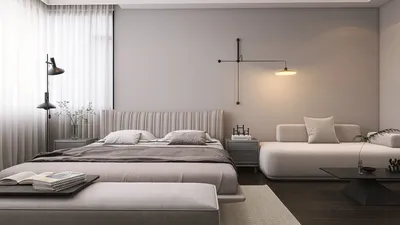


I once came close to persuading a client to place a full-sized shag rug in a 9-by-9 dining nook, driven by nostalgia. Thankfully, we recognized the error just in time, and that little scare instilled in me a vital lesson: every design choice is magnified in small spaces. This is precisely why achieving a sensible mid-century layout is far more crucial than relying on a single standout piece.
Small spaces often ignite significant creativity. Here, I present five mid-century dining room concepts, which I have successfully implemented in tight quarters, along with their advantages, potential drawbacks, and budget-friendly tips you can put to use right away.
1. Opt for a Round Teak Table with Tapered Legs
Round tables are the unsung heroes in condensed mid-century dining areas—they facilitate easier seating arrangements and their shape resonates with classic 50s and 60s furniture styles. The warm teak finish is particularly appealing, while the tapered legs create a sense of lightness and visual space. However, keep in mind that teak is prone to scratches and can appear formal, so consider adding a woven runner or placemats for everyday protection and a casual vibe.
2. Combine a Bench with Iconic Chairs
Adding a slim bench on one side alongside two molded chairs on the other allows for more seating while avoiding overcrowding. I recently implemented this in a one-bedroom renovation, where the bench conveniently tucks away when not in use, and the chairs serve as stylish accent pieces. This setup is versatile, but it’s important to choose stain-resistant fabric for the bench upholstery to accommodate daily wear and tear.
save pin
3. Utilize a Slim Console as a Mini Sideboard
Rather than going for a bulky buffet, opt for a low, narrow console with splayed legs to store dishes and a lamp. This choice maintains the mid-century aesthetic while providing essential storage without disrupting the flow of the room. If additional concealed storage is necessary, select a console with doors—just remember to double-check measurements as depth can be deceptive. For guidance on layout, consider examining practical space-saving dining solutions that enhance mobility and clearance.
save pin
4. Favor a Statement Light over Wall Art
A sculptural pendant or a cluster of globe lights instantly conveys a mid-century feel and frees up wall space for mirrors or minimalist shelves. Lighting can be forgiving in compact areas—replace a large painting with a mirror to reflect natural light. Just a word of caution: ensure that low-hanging light fixtures clear heads and chair backs by placing them at least 28 to 32 inches above the tabletop.
save pin
5. Layer Rugs and Textures, But Maintain a Small Scale
Incorporating a small jute rug beneath the dining table and layering it with a patterned runner adds mid-century warmth without overwhelming the space. I once used a 5-foot round rug in a tiny dining corner and it effectively anchored the entire arrangement. For rooms with low ceilings, avoid tall plants; instead, enrich the space with cushions, woven lampshades, and a small framed artwork. To visualize proportions prior to purchasing, exploring a rendering tool like Homestyler can be quite helpful.
save pin
Tips 1:
A quick tip from my experiences: always outline the table's footprint on the floor before making any commitments. This practice can help eliminate regrets and unnecessary returns. Also, ensure to measure the space required for chair movement (typically about 18 to 24 inches) to prevent guests from feeling cramped.
save pin
FAQ
Q1: What characterizes mid-century modern dining rooms?
A: Mid-century modern design features clean lines, organic shapes, tapered legs, and natural wood finishes. For a brief overview, refer to Britannica’s section on mid-century modern design: https://www.britannica.com/art/Mid-Century-Modern.
Q2: What size rug is appropriate for under a small round table?
A: Select a rug that is at least 24 inches wider in diameter than the table to ensure that chairs remain on the rug when pulled out. In compact spaces, a 5 to 6-foot round rug typically works quite well.
Q3: Are mid-century materials suitable for households with children?
A: Certainly—opt for durable finishes and child-friendly upholstery such as performance velvet or treated linen. Teak and walnut are resilient materials, but it's wise to use protective placemats to shield surfaces from rings.
Q4: How can I create the illusion of height in a low-ceiling dining area?
A: Employ horizontal stripes sparingly, choose shallow or semi-flush pendant lights, and use lighter wall colors to enhance the sense of space. Positioning mirrors across from windows can also help to increase perceived height.
Q5: Is it possible to blend modern elements with authentic mid-century styles?
A: Definitely. I frequently combine vintage chairs with contemporary lighting to maintain a fresh atmosphere. The key lies in keeping consistency with scale and adhering to a cohesive color palette.
Q6: What lighting temperature is best for mid-century dining rooms?
A: A warm white light (2700K to 3000K) complements wood tones and cultivates a cozy dining experience. Incorporating dimmer switches also allows for flexibility in setting different moods.
Q7: How should I plan movement around a tiny dining nook?
A: Ensure at least 36 inches of unobstructed space behind chairs leading to high-traffic areas; in extremely tight spaces, 30 inches can suffice if the flow of traffic is minimal. Using slim furniture is essential for optimizing circulation.
Q8: Where can I explore layout options before purchasing furniture?
A: I suggest utilizing online layout generators or 3D design tools to visualize scale. Many allow you to experiment with mid-century furniture pieces and room dimensions before making any commitments.
save pin
Discover the endless possibilities of home design with Homestyler! This user-friendly online platform offers a powerful design tool, stunning 3D renderings, and a wealth of design projects and video tutorials. Transform your ideas into reality effortlessly and inspire your creativity today!
Design Now for FREE
































