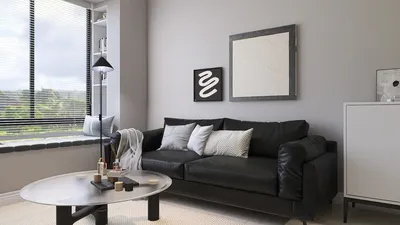


I once persuaded a client that adding a magnetic wall to her laundry room would be a great way to manage stray coupons and misplaced keys—only to see her teenage son cover it with action figures within a day. This taught me the importance of tolerance and sparked a realization that smaller walls can lead to immense creativity. When planning my designs, I frequently use a room planner first to visualize the layout and flow before selecting paint colors.
1. Magnetic Paint Foundation + Decorative Top Coat
Begin with simplicity: apply several coats of magnetic primer, then finish with your preferred paint or wallpaper. The benefits include cost-effectiveness and a cohesive appearance; however, bear in mind that a strong pull requires multiple primer coats, and heavier items will still need additional anchors.
2. Metal Panels Behind Artwork for Versatile Displays
Installing thin steel panels flush against the wall behind framed art allows for easy swapping of displays without the need for new holes. I utilized this method in a compact studio, and both clients appreciated the ability to rotate prints while children enjoyed curating their mini galleries. While installing this requires accurate leveling, the end result is neatly appealing.
save pin
3. Framed Magnetic Boards as Dynamic Displays
For an art-board ambiance, frame a magnetic sheet and hang it like a piece of art; incorporating a ledge for three-dimensional objects enhances usability. I often simulate placements using a 3D floor planner to help clients visualize the sightlines—this method can convey an upscale look, though it may be pricier than paint unless you opt for a DIY frame.
save pin
4. Hybrid Writable + Magnetic Walls
Create a section of the wall that is magnetic and another that features a chalkboard or whiteboard, ideal for jotting down notes and meal plans—the combination offers the best of both worlds, especially in kitchens and entryways. While practical for family life, ensure that the transitions between the surfaces are finished cleanly to prevent a disjointed appearance.
save pin
5. Magnetic Tile Strips and Accessories for Quick Solutions
Incorporate magnetic tile strips or modular accessories (such as buckets, hooks, and cutlery rails) to enhance storage without the need for permanent carpentry. I typically develop the layout using a floor planner to ensure everything is easily reachable; these systems are adaptable but be mindful of weight limits and choose high-quality adhesives or mechanical fixes for heavier items.
save pin
FAQ
Q1: What materials do I need for a DIY magnetic wall?
To begin, you'll need magnetic primer or steel sheets, a topcoat in the form of paint or wallpaper, sturdy magnets, and mounting hardware. For heavier objects, it’s wise to include screws and anchors or adhesive suitable for the surface type.
Q2: Is magnetic paint sufficient for holding heavier items?
Magnetic paint works best for lighter objects such as photos, notes, and small containers; larger frames or heavy tools require embedded steel panels and mechanical fasteners. Multiple primer coats will enhance the magnetic strength you can achieve.
Q3: Can I create a magnetic wall in a rental property?
Certainly—use magnetic sheets applied to a thin backing or freestanding framed panels to protect the walls from damage. Removable adhesive strips can also be utilized for lighter displays, but it's recommended to test them on an inconspicuous area first.
Q4: Are strong magnets safe for children?
No; high-powered small magnets can pose serious risks if ingested. The U.S. Consumer Product Safety Commission (CPSC) warns that these magnets can be dangerous if swallowed, so it's best to keep them out of reach of children (source: https://www.cpsc.gov/).
Q5: How can I conceal seams when using metal panels?
Align the panels closely, apply a thin bead of paintable caulk, and finish with a matching topcoat or trim to hide joints. Properly priming and painting over seams will help the entire wall appear as a single continuous surface.
Q6: What is the estimated budget for a small magnetic wall?
You should anticipate spending between $50 to $300 for DIY magnetic paint projects, while metal panel systems along with trim and accessories may range from $150 to $800, depending on the scale and materials. Small accessories like magnetic bins are affordable and offer significant functionality for minimal expense.
Q7: Can I pair magnetic surfaces with shelving?
Absolutely—utilize magnetic strips above or behind floating shelves for tools and utensils, or incorporate metal backs behind these shelves for discreet fixation. Ensure to plan for load-bearing points and use appropriate anchors for the shelves.
Q8: Do you have any quick styling advice?
Maintain a consistent finish for magnets (either matte or glossy) and limit accessories to a two or three color palette for visual harmony. Additionally, I suggest designating a specific area for rotating items, so the wall maintains an uncluttered feel.
save pin
Homestyler is your go-to online home design platform, perfect for both novices and seasoned decorators. With its user-friendly design tool, stunning 3D renderings, extensive design projects, and helpful DIY video tutorials, you can effortlessly create and visualize your dream space. Start designing today!
Projete agora para LIVRE
































