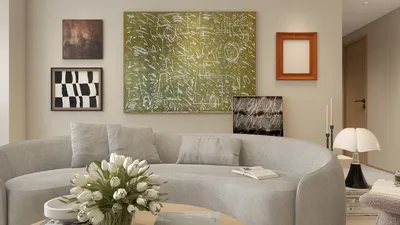


As an interior designer for over ten years, I have witnessed how the right choice of paint colors can dramatically change a living room, particularly when featuring a fireplace as a central element. In 2024, the trend is leaning towards warm neutrals, nature-inspired greens, and striking accent walls. Transformative impacts can often be achieved with simple modifications, and a fireplace wall is an excellent area to showcase these changes. In this article, I will present 10 creative paint ideas for living rooms with fireplaces, guided by real-life projects and solid design principles, including suggestions that integrate the Homestyler tool for visualization.
1. Cozy Warm Taupe
Perspective: In one project, I refreshed a compact urban living room by painting the fireplace wall in warm taupe. This shade introduced a welcoming warmth without making the area feel cramped.
Advantages: This color harmonizes wonderfully with both traditional and contemporary furniture styles, enhancing natural wood elements and textured fabrics. Research published in Architectural Digest reveals that warm neutrals can enhance a room’s comfort level.
Disadvantages: Poor lighting can make it appear dull; it may not stand out against beige furniture.
Tip: Incorporate contrasting decorations on the mantel to prevent a monotonous look.
2. Bold Deep Charcoal
Perspective: In my residence, I applied a charcoal gray to our fireplace and it immediately became a stunning feature. Paired with soft white walls, it cultivated a rich visual dynamic.
Advantages: It enhances the fireplace’s prominence, conceals soot marks effectively, and is ideal for modern settings.
Disadvantages: In small rooms, it can overwhelm if not balanced with lighter elements.
To ensure balance, consider using lighter flooring or minimalist décor to create a sense of spaciousness.
3. Serene Soft Sage
Perspective: I once utilized sage green in a client's cottage living room, and they remarked how it felt as though the garden had been invited indoors.
Advantages: This color is excellent for establishing a peaceful atmosphere and blends beautifully with stone fireplaces.
Disadvantages: If the rest of the color palette lacks variety, sage can seem overly muted; it can also clash with certain upholstery shades.
Tip: Introduce plants or natural wood shelving to promote a cohesive look.
4. Classic Crisp White
Perspective: For homes intended for resale, I consistently endorse using crisp white for the fireplace wall and surrounding area — it universally attracts buyers.
Advantages: This shade brightens and enlarges spaces, highlighting architectural features beautifully.
Disadvantages: It tends to show dirt and soot more prominently; it may feel stark if not complemented with warm textures.
5. Sophisticated Navy Blue
Perspective: Navy provided one of my loft projects with an upscale, hotel-like ambiance without a hefty budget.
Advantages: This rich hue pairs well with brass accents and modern artwork, offering visual weight in open-concept designs.
Disadvantages: Requires ample lighting; overuse can make a space feel dense.
Complementing navy with wooden accents can bring warmth and soften its impact.
6. Subtle Smoky Mauve
Perspective: One of my clients, a fan of art deco style, adored the smoky mauve on her fireplace, which exuded softness and intrigue.
Advantages: This shade works well with feminine or eclectic design themes; it’s a unique choice that often ignites conversation.
Disadvantages: It has limited adaptability with other color schemes and may appear overly pink under certain lighting.
7. Striking Black and White
Perspective: A high-contrast design can transform a plain fireplace into a striking visual element — I have successfully applied this in rentals for an immediate facelift.
Advantages: This scheme is visually captivating in photographs, possesses a timeless appeal, and is easy to accessorize.
Disadvantages: If not balanced with warmth, it may feel overly stark.
Tip: Layering rugs and cushions can help to soften the visual impact of the contrast.
8. Welcoming Terracotta
Perspective: I introduced terracotta in a Mediterranean-style living room, making the white fireplace tiles radiate warmth.
Advantages: It injects warmth and vibrancy while beautifully complementing rustic themes.
Disadvantages: May clash with cooler furniture hues; therefore, color matching is essential.
9. Innovative Two-Tone Design
Perspective: Dividing the fireplace wall into two distinct colors provided a modern flair to a traditional home I worked on.
Advantages: It adds visual interest and can create an illusion of height or width depending on the color arrangement.
Disadvantages: Achieving clean lines requires precision and can be challenging on uneven surfaces.
Consider using a 3D visualization tool like Homestyler to experiment with different shades and assess their effect before proceeding.
10. Vintage Muted Mustard
Perspective: In a charming 1940s bungalow, muted mustard highlighted the beautiful patina of the stone fireplace surround.
Advantages: This color provides a warm, nostalgic feel and pairs nicely with vintage and mid-century designs.
Disadvantages: It's a color that can be divisive; it may restrict future palette changes.
Summary
Enhancing a living room with a fireplace is a matter of making thoughtful choices that underscore your distinctive features. As noted by Elle Decor, focal walls significantly elevate visual appeal and space perception. Which of these 10 innovative living room paint ideas for the fireplace will you consider implementing first?
FAQ
1. What colors are best suited for a living room featuring a fireplace?
Trending colors for 2024 include warm neutrals, deep charcoals, and muted greens, as they naturally complement fireplace materials and establish a cozy ambiance.
2. Should the fireplace wall feature a distinct color?
Indeed, utilizing an accent color can emphasize the fireplace as a focal point. Even a subtle tonal divergence can infuse depth.
3. How should I select paint colors based on the fireplace's material?
Pair warm tones with brick or stone, while cooler hues suit sleek tiles or concrete finishes. Better Homes & Gardens suggests testing samples before finalizing your choice.
4. Does painting the fireplace wall create a more spacious appearance?
Lighter colors create an airy ambiance, while darker shades contribute depth. The overall perception is influenced by the surrounding color palette.
5. Is painting over brick fireplaces a viable option?
Yes, ensure it is clean and primed first. Durable masonry paint is essential for long-term results.
6. What is the typical cost for painting a fireplace wall?
If you do it yourself, it may cost under $100; professional services typically range from $300 to $800, depending on preparation and finish quality.
7. How often should I refresh the paint in my living room?
Every five to seven years, or sooner if signs of fading or chipping appear, or if you desire an updated look.
8. Is it possible to visualize different paint concepts before making a decision?
Absolutely! You can utilize an AI-driven design platform like Homestyler to visualize various colors in your home environment prior to painting.
Homestyler is your go-to online platform for home design! With an intuitive design tool, stunning 3D renderings, and a wealth of DIY video tutorials, you'll effortlessly create and visualize your dream spaces. Perfect for both beginners and experienced designers!
Design jetzt kostenlos
































