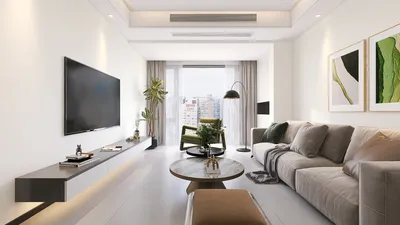


As an interior designer with over ten years of experience in diverse environments, I've discovered that small spaces can ignite significant creativity in design. In today's world of open-plan living, effectively blending your living and dining spaces isn't simply a fashionable choice—it's a strategy to make the most of every square inch while maintaining style. In this article, I will present 10 layout ideas for living and dining rooms that I've personally implemented or witnessed bringing remarkable results in real homes—drawing from both my experience and professional insights. Additionally, tools like Homestyler can enhance your design process by providing virtual visualization options.
1. Minimalist Open-Plan Flow
My Experience: On one occasion, I assisted a young couple in removing a partition wall to create a seamless flow. The outcome was tranquil, bright, and felt significantly larger.
Advantages: An open-plan setup for your living and dining areas improves the flow of natural light and transforms the space into a social hotspot—ideal for entertaining. A survey by Houzz in 2023 indicated that 56% of homeowners who knocked down walls between kitchen, dining, and living areas reported increased happiness in their daily lives.
Drawbacks: Sound and odors can easily travel throughout the space, necessitating effective solutions like good extractor fans or acoustic panels to mitigate these issues.
Advice: Maintain clean furniture lines to preserve that open and airy sensation—explore minimalist dining room storage designs to avoid clutter accumulation, and consider integrating Homestyler for visual ideas.
2. Zoning with Area Rugs
My Experience: In my compact apartment, I utilized various textured rugs to differentiate between the living and dining areas, without the need for physical barriers. This created a cozy yet organized atmosphere.
Advantages: This method provides visual distinction and can introduce color or pattern without overwhelming the overall decor.
Drawbacks: Rugs require ongoing upkeep, and spills can be problematic in dining areas, especially with lighter-colored options.
3. L-Shaped Furniture Arrangement
My Experience: Placing an L-shaped sofa in front of the dining area creates a gentle separation while maintaining openness.
Advantages: This arrangement maximizes corner spaces, enhances flow, and typically offers more seating—particularly advantageous in square-shaped rooms.
Drawbacks: Oversized sectionals can overwhelm smaller spaces unless proportioned correctly.
4. Glass Partitions for Light and Structure
My Experience: I once installed a sliding glass door between the dining and living areas of a studio apartment; it allowed light to filter through while providing sound separation when necessary.
Advantages: They retain brightness while establishing a psychological boundary—perfect for work-from-home setups requiring concentration.
Drawbacks: Glass surfaces necessitate frequent cleaning and can appear cold without proper decorative accents.
Case Idea: Think about how glass backsplashes enhance openness—the same concept can be applied to your living-dining setup.
5. Back-to-Back Arrangement
My Experience: I configured a sofa with its back to the dining table in a loft; it visually separated the two spaces without obstructing movement.
Advantages: This setup is efficient in open layouts, facilitating the creation of distinct functional areas.
Drawbacks: Ample space behind the sofa is necessary to prevent a cramped feeling.
6. Round Dining Table for Flow
My Experience: In narrow combined spaces, I recommend a round table—it takes up less room and improves traffic flow.
Advantages: Round tables foster conversation and are safer in tight areas, making them especially useful for families with kids.
Drawbacks: Their smaller surface area limits seating capacity in comparison to rectangular tables.
7. Multi-functional Furniture
My Experience: One project included a bench that also served as hidden storage—a fantastic solution for compact apartments.
Advantages: It maximizes storage without the need for extra furniture; this is ideal for minimizing clutter and achieving a minimalist vibe.
Drawbacks: Some multi-functional options may compromise comfort or design if chosen poorly.
8. Statement Lighting as a Divider
My Experience: During a renovation, I placed a pendant light above the dining zone and used recessed lighting in the living area—creating a clear distinction between the spaces.
Advantages: This approach defines zones and adds visual intrigue. The lighting levels can be adjusted to set the desired mood.
Drawbacks: Installation may involve rewiring, which can increase costs.
9. Wall-Mounted Storage to Save Floor Space
My Experience: Floating shelves and wall cabinets free up valuable floor space, resulting in a more spacious ambiance.
Advantages: Enhances storage capabilities without encroaching on walking areas; keeps surfaces tidy.
Drawbacks: Requires secure wall mounts—larger items may still necessitate floor support.
Example: Observe how adaptive L-shaped layouts optimize counter space; similar strategies can be utilized for combined living-dining areas to enhance functionality.
10. Incorporating Natural Elements
My Experience: I enjoy adding wooden furniture pieces or indoor plants—these elements instantly warm the space and introduce texture.
Advantages: Natural materials evoke a sense of tranquility; they are timeless and adaptable.
Drawbacks: Plants require care, and wooden surfaces might need maintenance over time.
Summary
Small or shared living spaces shouldn't be seen as limitations—instead, they provide an opportunity for smarter design choices. A thoughtfully conceived living and dining room layout can enhance both functionality and aesthetics. The American Society of Interior Designers emphasizes that thoughtful space planning is critical for both visual appeal and comfort. So, which of these ideas will you consider implementing in your home, particularly with innovative tools like Homestyler at your disposal for visualization?
FAQ
1. What is the most effective layout for a compact living-dining area? For small areas, open-plan designs paired with distinct zoning (using rugs or lighting) are ideal for maintaining flow without creating a cramped environment.
2. How can I distinguish living and dining spaces without walls? Employing rugs, furniture arrangements, different lighting, or partial dividers can help visually and functionally separate these zones.
3. Is an open-plan living dining space still in vogue? Certainly, open layouts continue to be favored for optimizing light and encouraging social interactions, as confirmed by the 2023 renovation trends report from Houzz.
4. Should I opt for a round or rectangular dining table? A round table is preferable for tighter spaces; rectangular tables suit larger areas needing more seating.
5. In what ways can lighting shape the design of my living-dining room layout? Pendant lights, floor lamps, or recessed lighting can establish visual boundaries and set the mood for each area.
6. What budget-friendly methods can improve a living-dining layout? Rearranging current furniture and incorporating a few well-placed rugs can significantly enhance the space without substantial costs.
7. Are glass partitions a wise choice? Yes, particularly if sound control is necessary while still allowing light through. Just remember they require regular maintenance to keep them clean.
8. Is it possible to incorporate storage into my living-dining arrangement? Absolutely—multi-functional furniture like benches with hidden storage or wall-mounted shelves can help keep the area organized and clutter-free.
Discover your dream space with Homestyler! This user-friendly online home design platform offers an intuitive design tool, stunning 3D renderings, and a wealth of inspiring design projects and DIY video tutorials. Transform your ideas into reality effortlessly—perfect for both beginners and seasoned designers!
Zaprojektuj teraz za darmo
































