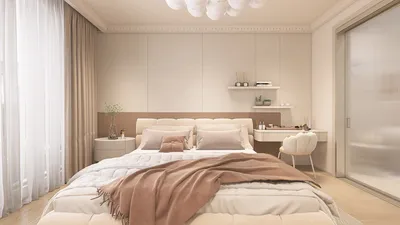


I once transformed a compact studio where the tenant had a fear of exposed wiring from childhood, resulting in a ban on ceiling lights — a true story. This situation sparked my creativity: the outcome was unexpectedly cozy, layered, and illuminated. Small areas often necessitate clever lighting solutions, and I’d like to share those insights.
1. Layered lighting: floor, table, and task solutions
I utilize a combination of floor lamps, table lamps, and targeted task lights to create visual depth. A tall floor lamp alongside the sofa casts a warm ambient glow, while a pair of table lamps on side tables introduces harmony, and a concentrated task lamp at the desk enhances productivity. The beauty of this setup lies in its adaptability — you can delineate spaces and adjust brightness with ease; the minor challenge is managing cords, which I tackle using stylish cord channels or a multi-outlet tower.
save pin
2. Wall sconces and swing-arm lights
Wall sconces, whether hardwired or plug-in, help to conserve floor space and provide a chic touch. Swing-arm lights positioned by the bed are ideal for indulging in reading without cluttering bedside tables. Although installation may incur extra costs, plug-in varieties make them a fantastic option for renters.
save pin
3. LED strips and under-cabinet illumination
LED strip lights are my go-to solution—whether beneath cabinets, behind televisions, or along shelving, they deliver consistent and even light. They are energy-efficient and profile low; however, the challenge lies in concealing the tape for a polished appearance. In kitchens, under-cabinet LED lighting significantly enhances visibility during meal prep without needing any ceiling fixture.
save pin
4. Reflective surfaces and strategic mirror placement
Mirrors and shiny finishes can amplify existing luminosity. Once, I designed a tight hallway that featured a large mirror and a slender console lamp, which effectively doubled the perceived brightness. This method is budget-friendly and revitalizes light distribution, although careful placement is key to avoiding glare.
save pin
5. Portable plug-in pendants and cord-hung fixtures
For those who desire the aesthetic of pendant lighting without the need for ceiling wiring, I recommend using a plug-in hanging light with a long cord and a wall-mounted hook. This arrangement creates an alluring focal point over dining or reading areas and is hassle-free to remove later. While visible cord routing is a consideration, using brass hooks and braided cords can make it look intentionally stylish.
To visualize planning and test configurations prior to purchasing fixtures, I frequently utilize a room planner to assess how light sources interact with furniture and colors, allowing for cost-effective decisions and the prevention of awkward light gaps.
save pin
Tips:
Money-saving note: Combining one standout fixture with several budget-friendly lamps can create a luxurious appearance at a lower cost. Additionally, opt for warm white bulbs (2700–3000K) for common areas, reserving cooler hues for task-oriented spaces.
save pin
FAQs
Q: Can I solely use lamps without hardwired lights? A: Absolutely, if organized by zones and activities, portable layered lamps and wall sconces can fully illuminate a room.
Q: What type of bulb is optimal when ceiling lights are absent? A: Energy-efficient LED bulbs come in various color temperatures; dimmable LEDs provide enhanced control.
Q: How can I safely conceal cords? A: Employ paintable cord channels, run the cords along baseboards, or hide them behind furniture to maintain a tidy look and avoid tripping hazards.
Q: Are plug-in wall sconces reliable for long-term use? A: Quality plug-in sconces are long-lasting and perfect for rental situations; consider hardwiring for a more permanent solution down the line.
Q: Will mirrors truly brighten a room? A: Indeed — mirrors reflect both natural and artificial light, enhancing perceived brightness and creating a sense of depth.
Q: How can I assess lighting setups before making a purchase? A: I suggest utilizing a simple mockup in a 3D floor planner to realistically visualize light and shadow interactions.
Q: Is it safe to use multiple lamps simultaneously? A: Generally, yes, but take care not to overload wall outlets; check circuit capacities and use certified surge-protected power strips.
Q: Where can I get reliable information on lighting standards? A: The Illuminating Engineering Society (IES) establishes standards and guidelines for light levels and the placement of fixtures (https://www.ies.org).
save pin
Discover your dream space with Homestyler! This user-friendly online design platform offers powerful tools for creating stunning 3D renderings, browsing inspiring design projects, and accessing helpful DIY video tutorials. Transform your ideas into reality effortlessly—perfect for both beginners and seasoned designers!
立即免费设计
































