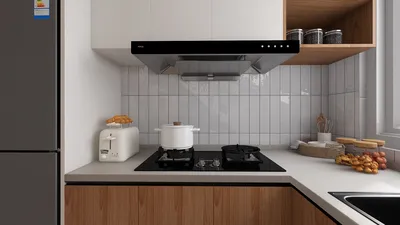


I once took on a bold project from a client who wanted their counter to resemble vintage candy, which led me to a week of wondering if grout lines were subtly conspiring against me. That compact kitchen almost rekindled my passion for tiles—small spaces really push your creativity, and tiles are absolute essentials in that creative process. In one particular project, which I fondly call my tiny galley rescue, a smart tile selection transformed a limited counter space into the highlight of the kitchen.
1. Timeless subway tile with contrasting grout
Subway tiles used along the counter's edge or backsplash deliver a classic and sleek appearance; I've implemented them to introduce a sense of flow without clashing against detailed cabinetry. The key lies in the grout: opting for a contrasting grout line can add visual intrigue, while a matching grout creates a seamless surface—this is budget-friendly and forgiving on DIY projects, although keeping grout clean can be challenging in heavily used areas.
save pin
2. Terrazzo or speckled porcelain for added texture
Tiles that mimic terrazzo offer the appearance of a polished finish without the hefty price tag associated with poured terrazzo. I applied speckled porcelain on a client's counter to cleverly camouflage crumbs and minor scratches—it's not only functional but also boasts a surprisingly contemporary vibe. The primary consideration here is ensuring consistent patterns at the seams; plan meticulously or opt for larger format tiles.
save pin
3. Encaustic-style patterned tiles as a centerpiece
Instead of tiling the entire counter, consider a patterned strip behind the stove or along the counter's edge to establish a whimsical focal attraction. I introduced a narrow band of encaustic-inspired tiles for a renter seeking individuality without the permanence; it proved to be bold, affordable, and easily reversible. To visualize arrangements before making decisions, I recommend clients experiment with layouts in 3D, making it easy to see scale and repetition without waste.
save pin
4. Large-format porcelain that resembles stone
By utilizing large-format tiles, you reduce the number of grout lines, achieving the appearance of a slab countertop at a significantly lower price point, which is ideal for achieving an elegant, spacious feel in a compact area. They're low-maintenance, making them suitable for active kitchens, though ensuring high-quality installation on edges and seams is crucial to avoid that overtly tiled look.
save pin
5. Combining edge trims and metal accents
One of my preferred techniques is to pair tiles with a slender metal or wood trim to enhance the overall finish—this approach can make even budget choices appear customized. I experimented with brass trim against matte porcelain on a small peninsula, and the contrast created a luxe feel. Just remember to coordinate skilled trades for a neat trim installation. If you're pressed for time, using quick AI mockups via software like Homestyler can help you visualize combinations before ordering samples.
save pin
FAQ
Q: Are tiled counters durable enough for kitchen use?
Absolutely—glazed porcelain and ceramic tiles are remarkably durable and resistant to heat. Proper sealing of the grout helps avert staining and water issues.
Q: Which grout is best for kitchen counters?
For counters, I generally recommend epoxy grout as it resists stains and offers easier maintenance compared to traditional cement-based grout, though it can be pricier and potentially more challenging for DIY projects.
Q: Can tile edges appear premium rather than cheap?
Certainly—by combining tile with metal or wooden trims, or selecting large-format tiles, the edges can appear intentional and sophisticated. The quality of the installation plays a pivotal role in this distinction.
Q: How can I effectively conceal seams with patterned tiles?
Design the layout so seams fall in less noticeable areas or align with the pattern; incorporating whole tiles wherever feasible minimizes the visibility of cut edges. Creating a mockup or trial layout helps prevent unwanted seams.
Q: Is maintaining tile countertops complicated?
Not if you select the right tiles and grout. Smooth glazed tiles are easy to clean; regular grout sealing (or opting for epoxy grout) helps avert discoloration.
Q: What’s an affordable tile choice that still appears high-quality?
Large-format porcelain that imitates natural stone often strikes the perfect balance between cost and aesthetic appeal—fewer grout lines contribute to a more slab-like look with less expense.
Q: Is DIY installation feasible for tile countertops?
While experienced DIYers can manage smaller installations, expect meticulous cutting and attentive grouting. For complex edges or expansive areas, I advise hiring a professional for impeccable results.
Q: Where can I find reliable guidance on tile installation?
The National Tile Contractors Association (NTCA) offers comprehensive installation standards and best practices. Visit NTCA.org for technical advice and product suggestions (NTCA Technical Resources).
save pin
Discover your inner designer with Homestyler! This user-friendly online platform offers an intuitive design tool, stunning 3D renderings, and a wealth of inspiring design projects. Plus, enjoy DIY video tutorials that guide you every step of the way to create your dream space effortlessly.
تصميم الآن مجانا
































