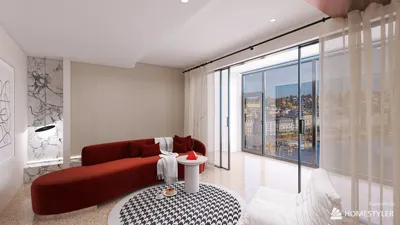


I once encountered a situation where a client requested a pirate-themed bathroom for kids, complete with glow-in-the-dark skulls. While the design initially looked fantastic, it ultimately led to sleepless nights for the 4-year-old after baths. This experience reminded me that effective wall decor must strike a balance between fun, tranquility, and safety. Additionally, having a straightforward bathroom design checklist can help avoid late-night emergencies. In smaller bathrooms, it's crucial to be inventive; the right wall treatment can transform a compact space into a joyful, bright, and surprisingly spacious area, especially when utilizing tools like Homestyler for planning.
1. Removable decals and large-scale murals
I admire the use of removable decals in children's bathrooms due to their flexibility; they can be changed easily as children grow out of certain themes. Large decals or a striking wall mural can make a significant visual impact without the high cost associated with full tiling. Just keep in mind that they tend to peel in very humid conditions, so it's best to place them above water exposure areas while opting for high-quality, waterproof vinyl. A helpful tip is that peel-and-stick murals can turn into an enjoyable weekend DIY project, saving on labor costs when creating a playful environment.
save pin
2. Color blocking with waterproof paint
Color blocking, which involves applying a bold band of washable semi-gloss paint below a more subdued tone overhead, works wonders to give the illusion of higher ceilings while concealing scuff marks left by little hands. This method is economical and durable, though preparation and sanding are crucial—subpar paint often reveals its quality quickly. I once opted for a chalky blue that brilliantly concealed water marks and highlighted towel hooks beautifully.
save pin
3. Interactive chalkboard or magnetic wall for older kids
Transforming a section of the wall into a writable or magnetic surface for older children not only enhances creativity during bath time but also keeps art supplies organized away from counters. If using magnetic paint, ensure a proper layering technique is applied and top it off with a washable finish for easy clean-up. When I am redesigning spaces, I often utilize Homestyler to digitally mock up layouts, helping to visualize options and avoiding surprises—this approach has proved invaluable in preventing missteps with scale.
save pin
4. Waterproof frames and laminated art
Preserve children's artwork behind acrylic glass or laminate their favorite pieces to protect them from steam and water splashes while retaining a personal touch. However, in small bathrooms, large frames can overpower the space, so I recommend opting for a fun gallery rail or a staggered mini-gallery. It’s also wise to attach frames with adhesive anchors designed for moisture-laden environments to ensure safety.
save pin
5. Playful storage and display wall
Convert a wall into an organized decorative display using colorful waterproof shelving along with clear bins for bath toys. This way, displayed items serve as decor and reduce clutter. Ensure that built-in or floating shelves are out of reach of splashes and securely fastened to avoid chaos. For a modern touch, I sometimes combine open shelving with a digital mood board using Homestyler to experiment with colors and toy placements before installation, ensuring there are no awkward heights or overcrowded areas.
save pin
FAQ
Q1: What are the most suitable wall materials for a kids' bathroom?
Opt for semi-gloss or satin waterproof paints, ceramic tiles in wet areas, and moisture-resistant backer boards behind plumbing fixtures. Avoid untreated wood and low-grade drywall in splash-prone areas.
Q2: Are vinyl decals appropriate for use in shower spaces?
Vinyl decals are generally suitable for walls away from direct water flow, but they typically do not hold up well inside a shower stall. For areas that experience high humidity, consider tile or ceramic murals that are specifically designed for such environments.
Q3: How can I maintain a mold-free decor?
Good ventilation is essential—either install or enhance an exhaust fan and utilize moisture-resistant finishes. Regularly wipe down walls that get splashed and apply mildew-resistant caulk around fixtures to keep mold at bay.
Q4: Are chalkboard walls safe in bathrooms?
Yes, they can be safe if non-toxic, washable chalk is used and cleaned regularly. For younger children, magnetic boards or laminated surfaces present cleaner, lower-mess alternatives.
Q5: What age is best for children’s themed decor?
Themed decor is suitable at any age, but consider a modular approach: utilize removable elements and neutral base anchors (like a mural or color band) to facilitate easy theme updates as children grow.
Q6: What is a reasonable budget for updating a kids' bathroom wall?
Basic updates like paint and decals can cost a few hundred dollars, whereas tiles, professional murals, or custom shelving will be more expensive. I always recommend prioritizing safety and waterproofing in any project.
Q7: Can children's artwork be displayed safely near water sources?
Absolutely—laminating artworks, using acrylic frames, or positioning art above splash heights allows you to display favorites securely. Make sure to properly secure fixtures to prevent any accidents.
Q8: Where can I access reliable safety information?
For guidance on consumer products and home safety, consult the U.S. Consumer Product Safety Commission (CPSC) along with local building regulations; they offer clear recommendations related to anchors, ventilation, and fixture safety.
save pin
Homestyler is your go-to online home design platform! With its user-friendly design tool, stunning 3D renderings, and a wealth of DIY video tutorials, you can effortlessly create and visualize your dream spaces. Transform your home design experience today with Homestyler!
Zaprojektuj teraz za darmo
































