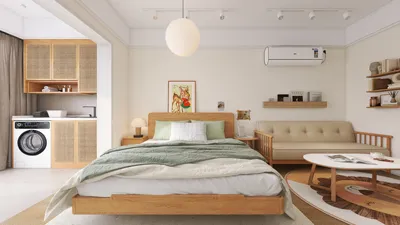


I distinctly recall when a client tasked me with transforming a whole feature wall into a galaxy scene using only spray paint and a cheese grater. Accepting the challenge taught me far more about masking techniques than I ever anticipated. When experimenting with such creative concepts, I often begin by visualizing wall art in three dimensions to assess scale and shadows before touching a spray can. Utilizing 3D visualizations truly prevented me from painting a moon that would have dominated the space, resembling the size of a refrigerator against a small bedside wall.
1. Stenciled Cityscapes for Slim Walls
I enjoy applying simple skyline stencils in narrow hallways — they add intricate detail without overwhelming the space. The advantage lies in minimal paint waste and quick execution, whereas the challenge is maintaining clean stencil edges, for which I recommend using repositionable spray adhesive.
save pin
2. Layered Color Blocks to Differentiate Areas
In an open-plan studio, I once painted vertical color blocks behind a bed to give the illusion of a headboard and enhance visual depth. This technique is not only forgiving but also budget-friendly; however, getting the edges perfectly aligned can be tricky unless high-quality painter's tape and edge-rolling techniques are employed.
save pin
3. Negative-Space Nature Designs
Creating leaf silhouettes and spraying over them results in a soft, contemporary aesthetic that looks fantastic above kitchen nooks. For initial compositions, I recommend making a rapid room layout mockup to test scale — this step is crucial to ensure that branches don’t obstruct light switches. Using a room layout mockup is essential for avoiding awkward placements in actual settings.
save pin
4. Metallic Ombre Accents
Using metallic spray paints layered from dark to light produces a luxurious ombre effect that appears more expensive than it is. This technique looks stunning on a small feature wall; however, one should expect to invest a bit more on metallics and clear coats to prevent flaking — I always advocate for applying a matte varnish in high-traffic areas.
save pin
5. Testing Backsplash Swatches
When contemplating spray-painted designs behind counters or sinks, painting small swatches on spare tiles or cardboard is a must to assess durability and color under kitchen lighting. For instance, testing backsplash colors before making a commitment spared a client from enduring a week of repainting. Testing colors on a backsplash is a minimal step that can avert significant inconveniences.
save pin
Useful Tips:
Always ensure proper ventilation, utilize a respirator suited for paint vapors, and perform a small adhesive test when using stencils. Having a budget-friendly set of plastic sheeting and mini rollers available for quick cleanups can be a lifesaver when you're on a tight schedule.
save pin
Frequently Asked Questions
Q1: Is spray paint suitable for indoor wall art? A1: Absolutely, spray paint can be excellent for indoor wall art, provided you ensure proper ventilation, use a respirator, and protect your floors and furniture. It's quick to apply and blends seamlessly for gradients.
Q2: How can I avoid drips while spray painting a wall? A2: Use thin, even coats, maintain a distance of 8–12 inches from the surface, and practice sweeping motions. Multiple light applications are more effective than applying one heavy coat.
Q3: Is spray paint usable on tile backsplashes? A3: Yes, but surface preparation is crucial — thoroughly clean, lightly sand, apply a bonding primer, and finish with a durable clear coat to safeguard against moisture.
Q4: What safety gear should I wear for indoor spray painting? A4: At the very least, a certified respirator, eye protection, and gloves are necessary. Ensure cross-ventilation using a fan and open windows for optimal results.
Q5: How long will spray paint last on interior walls? A5: With proper priming and a protective clear coat, indoor spray-painted murals can endure for several years; however, high-traffic areas may require touch-ups sooner due to wear.
Q6: Are low-odor spray paints available for indoor projects? A6: Yes, some brands produce low-VOC and low-odor formulas suitable for indoor applications, though ventilation is still highly recommended.
Q7: Where can I find recommended techniques and safety information? A7: For credible safety information regarding indoor air quality and product usage, consult the U.S. Environmental Protection Agency (EPA) guidelines on household air quality and ventilation: https://www.epa.gov/indoor-air-quality-iaq. They emphasize the importance of ventilation and reducing pollutant sources.
Q8: Do you advocate for digital mockups prior to painting? A8: Definitely — I always create mockups to scale so clients can approve proportions and color schemes before any paint touches the wall.
save pin
Homestyler is your go-to online home design platform, perfect for bringing your decorating ideas to life! With an easy-to-use design tool, stunning 3D renderings, a variety of design projects, and helpful video tutorials, you’ll find everything you need to create your dream space effortlessly.
تصميم الآن مجانا
































