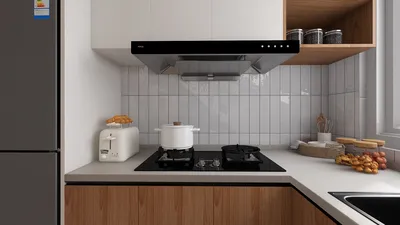


I once had a client who wanted to retain a dining table despite dining out frequently — they believed it contributed to the "ambiance." I persuaded them to explore alternatives and ultimately transformed that awkward nook into my preferred compact workspace at home. If you're contemplating a seldom-used dining area, a quick redesign can demonstrate how minor modifications lead to significant enhancements in functionality.
1. Compact home office that discreetly integrates into your space
I'm a big fan of folding desks and retractable storage solutions. The dimensions of a dining table can often transition beautifully into a shared laptop station during the day, doubling as a clean surface for evening meals. The benefit? Minimal renovations coupled with significant functional improvements; the drawback? You'll need a clever approach to cable management and a routine for clearing your workspace.
save pin
2. Expanding your pantry with a breakfast bar
By removing the wall between the kitchen and dining area (or simply adding cabinetry), you can quickly create additional pantry storage and a relaxed breakfast bar. This setup is especially advantageous for smaller apartments and enhances meal preparation flow; however, engaging a carpenter might be necessary for installing floating shelves or counter extensions. Budget tip: instead of full replacements, consider refinishing existing cabinetry.
save pin
3. Play and study zone for kids
Transforming the dining room into a designated area for children keeps toys contained and serves as an organized homework space. I often design built-in benches with hidden storage to minimize clutter visibility. For layout inspiration that merges kitchen functionality with a children's zone, this small kitchen transformation case study aided a family I assisted in restoring harmony during mealtimes.
save pin
4. Cozy reading nook and music space
Replace standard dining chairs with a snug loveseat, add stylish floor lamps and wall-mounted bookshelves, and suddenly your dining chairs can become appealing accent seating. This approach is low-cost and instantly enhances the livability of the area. While this means sacrificing formal dining seats, if you entertain occasionally, consider stacking or folding chairs that can be stored nearby.
save pin
5. Entertainment area: mini bar and lounge
Set up a slim console, a wine fridge, and a mirrored backsplash to transform the space into a cozy evening hangout. I recommend visualizing this setup with a mock-up before ordering any fixtures — a quick 3D home rendering can often reveal sightline problems and save you money on returns. While it's a stylish approach, don't forget to consider ventilation and noise, especially if you live in close proximity to neighbors.
save pin
FAQ
Q: What’s the easiest type of dining room to convert?
A: The simplest transformations don't involve structural changes—adding furniture, shelves, or partitions are effective options. Altering plumbing or moving walls will definitely increase costs and timelines.
Q: How can I maintain the resale value when repurposing a room?
A: Opt for reversible modifications—using modular furniture, temporary dividers, and built-ins that can revert back. Many buyers prefer flexible living spaces.
Q: Is lighting crucial when repurposing a space?
A: Definitely. Layered lighting that includes ambient, task, and accent options makes a multifunctional area adaptable for various uses throughout the day.
Q: Can I handle these changes myself?
A: Many strategies—like constructing storage benches, reorganizing shelving, and swapping furniture—are well-suited for DIY. However, structural modifications should be managed by a professional.
Q: What about managing sound if creating a workspace or play area?
A: Incorporate rugs, soft furnishings, and acoustic panels to reduce noise. For active households, having a door or room divider can be very useful.
Q: How do I accurately measure for multi-functional furniture?
A: Measure the clearance for chairs, the width of walking paths (aim for at least 80–90 cm for comfort), and the swing of doors or drawers. Proper planning helps avoid unexpected surprises.
Q: Are there established guidelines for kitchen and dining space planning?
A: Indeed. For kitchen and meal-area layouts, organizations such as the National Kitchen & Bath Association offer industry standards and advice (source: https://www.nkba.org).
Q: How much should I allocate for a basic repurposing project?
A: For non-structural updates, anticipate a modest budget—ranging from a few hundred to a few thousand dollars—depending on furniture choices and finishes; full renovations will generally be more expensive.
save pin
Discover Homestyler, the ultimate online home design platform! With its user-friendly design tool, stunning 3D renderings, and a wealth of design projects and DIY video tutorials, you can effortlessly transform your home into a masterpiece. Get inspired and start creating today!
Diseño ahora GRATIS
































