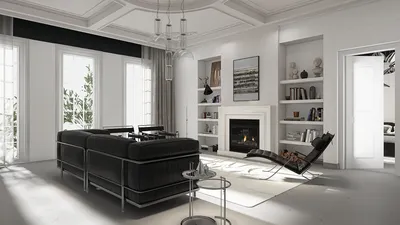


In the past few years, the realm of interior design has transitioned towards optimizing smaller environments with innovative and stylish concepts. Drawing from over ten years of experience in designing compact apartments and cozy living areas, I've come to realize that a lower ceiling isn't a hindrance; rather, it serves as an invitation to think outside the box. Small spaces often breed grand ideas, and today, I’m excited to present 10 creative suggestions for enhancing living rooms with low ceilings, integrating my practical experiences with professional insights. Plus, I’ll show you how tools like Homestyler can help visualize these changes.
1. Choose a Minimalist Color Palette to Enhance Space
My Insights: In one project, I transformed a 1960s apartment boasting an 8-foot ceiling with a light beige and white color scheme, instantly creating an airy sensation. The simplicity of the palette contributed to an illusion of increased height.
Advantages: Light, neutral hues reflect more light, effectively creating a spacious feel. This technique is backed by the American Lighting Association, which advocates for soft whites and beiges to visually broaden a room. This approach pairs beautifully with minimalist layouts, all while using tools like Homestyler for visualization.
Disadvantages: Without added texture or warm decorative elements, the space can appear monotonous.
Advice: Incorporate layered textiles, diverse rugs, or wooden accents to introduce depth without darkening the overall ambiance.
2. Use Vertical Striped Wallpaper
My Insights: During a particular client project, we applied fine vertical stripes in a delicate grey shade on one feature wall, and it led many friends to believe we had elevated the ceiling by a foot!
Benefits: Vertical patterns draw the gaze upwards, creating an illusion of height that is especially effective in narrow areas.
Drawbacks: Bold stripes can create visual chaos; sticking to subtle colors is advisable for a timeless effect.
Example: Removable wallpapers present a wallet-friendly option to experiment with this design before making a more permanent choice.
3. Opt for Low-Profile Furniture
My Insights: I've observed that furniture with lower profiles and simple leg designs allows for unobstructed sightlines, making the ceiling feel less oppressive.
Advantages: This choice enhances flow and minimizes the cramped feeling, particularly when complemented by open shelving that maintains airiness.
Drawbacks: Such furniture may offer less back support, which could be a disadvantage for taller individuals.
Advice: Incorporate floor cushions and ottomans to provide flexible seating options.
4. Use Uplighting to Create Ambiance
My Insights: In my own compact living room, strategically placed wall sconces that direct light upward made the space feel dramatically larger at night.
Advantages: Uplighting enhances the perception of ceiling height by illuminating the upper walls, adaptable to create both cozy and vibrant atmospheres.
Drawbacks: Careful positioning is crucial to prevent unappealing shadows.
Advice: Consider energy-efficient LED uplights, which remain cool to the touch while providing ample illumination.
5. Incorporate a Glass Coffee Table for Visual Lightness
My Insights: Transitioning from a wooden coffee table to a glass counterpart in a low-ceiling condo showcased an immediate reduction in visual clutter.
Advantages: Transparent surfaces create an open feel, making a low ceiling seem less overwhelming, especially vital in compact environments.
Disadvantages: Glass surfaces are prone to showing dust and fingerprints easily.
6. Install Floor-to-Ceiling Curtains
My Insights: Mounting curtain rods just below the crown molding and extending them to the floor brought an elegant, stretched look to a client’s room.
Advantages: This design technique visually elongates walls and imbues the space with a luxurious touch, as suggested by industry experts.
Disadvantages: The requirement for more fabric translates to a higher cost.
Advice: Opt for sheer materials to maintain a light atmosphere in small living rooms.
7. Choose a Lighter Ceiling Color with a Gloss Finish
My Insights: In an urban loft with a notably low ceiling, painting it in soft eggshell white with a semi-gloss finish reflected more light yet avoided a stark aesthetic.
Advantages: Glossy finishes can subtly reflect light downwards, enhancing overall brightness—a method often implemented in professional lighting design.
Disadvantages: Any imperfections on the ceiling will become more pronounced with a shiny coating.
8. Utilize Built-in Shelving Around Doorways
My Insights: I designed bookshelves flanking a doorway, which effectively drew the eyes upward while providing practical storage.
Advantages: This approach optimizes vertical storage while visually increasing height without sacrificing floor space.
Drawbacks: Accurate measurements are essential to avoid making the space feel cramped near entrances.
9. Implement a Floating TV Console
My Insights: Elevating the console off the floor creates an airier environment—particularly transformative in tight ceiling apartments.
Advantages: This layout frees up floor area and simplifies cleaning, pairing well with lightweight modular storage options.
Disadvantages: However, it limits heavy storage possibilities—meaning larger media devices may not be easily concealed.
10. Select Vertical Artwork
My Insights: Tall, narrow frames can work wonders. In one of my designs, three vertically arranged prints made a 7.5-foot ceiling appear much loftier.
Advantages: Such placements naturally lead the eye upwards and offer flexibility for seasonal art updates.
Disadvantages: This choice may restrict the types of artwork you can showcase effectively.
Conclusion
A living room with a low ceiling doesn’t have to sacrifice style; instead, it calls for clever and thoughtful design decisions. As highlighted in Architectural Digest, creating a vertical emphasis paired with fitting lighting is essential in smaller areas. Which of these ten strategies will you implement first in your own home? Don't forget to explore design ideas with Homestyler to visualize your new look!
FAQ
Q1: What can I do to make my low ceiling living room appear taller?
A: Incorporate vertical elements such as tall curtains, upright artwork, and vertical stripes to enhance the upward perspective. Lighting is also essential.
Q2: Are ceiling mirrors a good option for small living rooms?
A: Certainly! Mirrors can amplify light and space, although ceiling mirrors may pose cleaning challenges and not fit every style preference.
Q3: What colors should I steer clear of when dealing with low ceilings?
A: Dark, matte colors on ceilings can emphasize their height. Instead, choose light, reflective finishes.
Q4: Is uplighting beneficial for low ceilings?
A: Absolutely! Experts affirm that uplighting can create height illusions and enhance the ambiance while keeping the ceiling free of clutter.
Q5: Can I include beams in a low ceiling design?
A: Exposed beams can further diminish the perceived height unless they are painted in a color that matches the ceiling.
Q6: Are there economical ideas for managing a low ceiling?
A: Options like removable vertical stripe wallpaper, sheer curtains, and rearranging your furnishings for better sightlines are budget-friendly adjustments.
Q7: Will a floor-to-ceiling bookcase be effective in a low room?
A: Yes, it can enhance the appearance of height; just select slim designs to prevent overwhelming the space.
Q8: Where can I find layout inspiration for low ceilings?
A: Utilize tools like Homestyler to explore realistic interior scenarios and test colors and layouts before making commitments.
Homestyler is your go-to platform for effortless home design. With its user-friendly online design tool, stunning 3D renderings, and a wealth of DIY video tutorials, you can easily craft and visualize your dream space. Transform your ideas into reality today!
今すぐ无料でデザイン
































