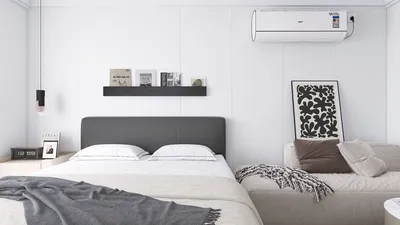


Throughout my decade-long journey in interior design, I've observed that rectangular living rooms can often feel confining. However, it’s essential to recognize that smaller or elongated spaces can ignite innovative solutions. Current interior design trends favor airy layouts and a mix of textures, which can be particularly effective in rectangular rooms. In this article, I'll present 10 creative ideas for rectangular living rooms, merging personal project insights with evidence-based design practices.
1. Embrace minimalist furniture to enhance openness
My Experience: In a recent project for a client living in the city, we replaced a cumbersome sectional with sleek sofas and modular stools. This alteration nearly doubled the perceived space of the room.
Advantages: Incorporating minimalist furnishings in a rectangular setting helps maintain unobstructed sightlines and facilitates movement, especially in tighter living room configurations. Architectural Digest notes that clear views can make a room feel up to 30% larger.
Disadvantages: Excessive minimalism can lead to a cold or uninviting atmosphere.
Advice: Complement minimalist designs with warm throws or textured cushions to add softness to the space.
2. Implement balanced symmetry with a focal point
My Experience: In my own living space, I positioned the sofa directly across from a media console, complemented by symmetrical shelving. This arrangement immediately instilled a sense of tranquility.
Advantages: Symmetry draws the eye and establishes order, making it ideal for rectangular spaces that could otherwise feel uneven.
Disadvantages: This setup might appear overly formal if a casual ambiance is preferred.
Example: Pairing this strategy with a classic area rug can help anchor the symmetrical design.
3. Create layered lighting zones
My Experience: I once revamped a narrow living room that was solely illuminated by a ceiling light, leading to a flat ambiance. The addition of wall sconces at both ends and a floor lamp breathed new life into the space.
Advantages: Multiple sources of light enhance the depth of the room and accentuate decor throughout the length of the rectangle.
Disadvantages: An increased number of fixtures typically results in more wiring or cords to conceal.
A practical approach is to opt for cordless LED sconces, which provide a built-in look without the clutter.
4. Utilize floating shelves to emphasize verticality
My Experience: For a compact rental, we positioned floating shelves mid-wall upwards. This design diverts attention from the narrowness while highlighting the room's height.
Advantages: Vertical storage enhances functionality without occupying valuable floor space — a technique I've successfully applied in minimalist kitchen designs as well.
Disadvantages: Overstuffed shelves can contribute to a cluttered appearance.
Limit visible items to curated decor or select books for a cleaner look.
5. Define areas using rugs
My Experience: In a client’s open-plan condo, we introduced a bold patterned rug to delineate the seating area from the dining section.
Advantages: Rugs can define zones in elongated spaces without the need for walls, promoting versatile use.
Disadvantages: Oversized rugs may create a disjointed look if they aren't proportionate.
Select a rug size that accommodates all main furniture elements to unify the area.
6. Create an L-shaped seating arrangement
My Experience: An L-shaped sofa in a rectangular living room fosters an intimate conversation area, even within a spacious layout.
Advantages: This arrangement optimally utilizes corner space while leaving one side open for movement, thereby maximizing counter space in kitchens as well.
Disadvantages: It can be challenging to rearrange furniture for cleaning or seasonal updates.
Consider modular furniture if you desire increased adaptability.
7. Introduce a textured or colorful statement wall
My Experience: I once painted a deep teal on the shorter wall of a rectangular room — this visual trick provided much-needed balance.
Advantages: A striking color or textured wallpaper can visually shorten a long room, adding equilibrium.
Disadvantages: Excessive texture or dark colors might absorb too much light, making the area feel cramped.
If uncertain, test with temporary wallpaper first to gauge the effect.
8. Incorporate storage benches
My Experience: In home environments, storage benches beneath windows optimize space and maintain tidiness during playtime.
Advantages: This feature merges seating with storage, ideal for multifunctional rectangular spaces, as highlighted by Houzz’s 2023 small space report.
Disadvantages: Fixed benches can restrict furniture arranging options.
Custom pieces may be costly but can endure for many years.
9. Utilize mirrors to amplify perceived width
My Experience: I strategically placed a floor-to-ceiling mirror across from a window in a particularly narrow living room — clients remarked it felt as if the wall had vanished.
Advantages: Mirrors reflect natural light and create an illusion of more space, particularly when positioned thoughtfully.
Disadvantages: They need regular cleaning to maintain their aesthetic appeal.
Framed mirrors can also function as decorative accents.
10. Opt for sliding doors or open thresholds
My Experience: In my studio project, replacing a traditional swing door with sliding glass panels seamlessly connected the living area with the balcony view.
Advantages: This saves swing space while fostering natural light flow, similar to my use of glass backsplashes to create a more open kitchen environment.
Disadvantages: Installation can be tricky if standard size openings aren’t available.
Consider barn-style sliding doors for a rustic charm.
Summary
A rectangular living room presents an opportunity rather than a limitation — it encourages creative thinking about layout, lighting, and flow. As suggested by Elle Decor, embracing proportions rather than resisting them paves the way for comfort and aesthetic appeal in the home. So, which of these ideas will you implement first?
Frequently Asked Questions
Q1: What’s the ideal layout for a rectangular living room?
A: Arranging furniture to establish clear zones, such as an L-shape seating area, tends to be the most effective solution.
Q2: How can I visually widen a rectangular room?
A: Utilizing mirrors and opting for lighter wall colors can enhance light reflection, creating an illusion of width.
Q3: Is symmetry significant in rectangular living rooms?
A: While symmetry imparts calm and balance, blending in asymmetrical elements keeps the space vibrant and dynamic.
Q4: What common mistake should I avoid?
A: Avoid pushing all furniture against the walls — this can transform the room into a corridor instead of a homey space.
Q5: Can I incorporate open shelving in a compact rectangular room?
A: Yes, but ensure displays are kept to a minimum to prevent a crowded feel.
Q6: What type of lighting is most effective?
A: Layered lighting — including overhead fixtures, wall sconces, and lamps — creates depth and focal points within the space.
Q7: Does the placement of rugs matter in rectangular layouts?
A: Definitely. Properly sized rugs can help define areas and anchor the overall design.
Q8: Any budget-friendly ideas for refreshing a rectangular living room?
A: Painting one short wall a contrasting color or utilizing removable wallpaper can dramatically shift proportions without straining your budget.
Discover the ease of home design with Homestyler! This user-friendly platform offers a powerful online design tool, stunning 3D renderings, and a plethora of inspiring design projects and DIY video tutorials. Transform your space effortlessly and unleash your creativity today!
Design Now for FREE
































