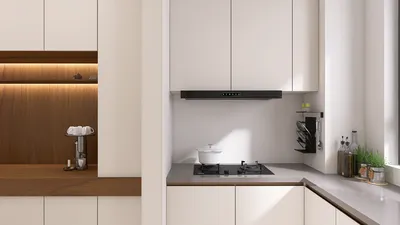


In recent times, the trend of seamless living in interior design has gained significant traction, with hidden doors being a fascinating aspect of this evolution. As a designer who has handled various compact living spaces, I can attest that small environments often inspire the most innovative solutions. In this article, I’m thrilled to present ten creative hidden door concepts for living rooms, integrating my experiences alongside professional insights to help you merge functionality with aesthetic appeal seamlessly. For example, in one loft renovation, a cleverly designed hidden door transformed into a library wall—a brilliant idea I discovered while delving into minimalist storage designs, similar to what one might achieve with tools like Homestyler.
1. Bookshelf as a Door
My Experience: I designed a bookshelf door for a couple passionate about reading. It appeared as a full wall of books, yet one section swung open to reveal a cozy study, frequently surprising their guests!
Advantages: This charming hidden door solution not only adds character but also serves as a great storage option. It’s particularly effective in compact living areas where maximizing space is essential.
Disadvantages: If heavily loaded, the door can become cumbersome, so durable hinges are a necessity. Additionally, maintaining cleanliness among the many books might test your patience.
Suggestion: Opt for lighter decorative items or faux book spines for improved functionality.
2. Hidden Sliding Panel
My Experience: In a tiny Manhattan apartment, I installed a sliding panel that was painted to match the wall. This disguise effectively concealed the bedroom without requiring additional swing space.
Advantages: This space-efficient design is modern and effortlessly glides open, perfect for apartments where every square inch counts.
Disadvantages: You'll sacrifice some wall space for artwork, and the tracks may accumulate dust.
Suggestion: Implement soft-close systems for an upgraded experience.
3. Mirrored Hidden Door
My Experience: In a luxury penthouse, I cleverly used a full-length mirror to obscure access to a wardrobe space, making guests believe it was purely decorative.
Advantages: This design brightens the room while creating an illusion of more space. It serves dual functions—a hidden door and a mirror.
Disadvantages: It may come with a higher price tag, and frequent cleaning will be necessary to avoid fingerprints.
Suggestion: Opt for tempered glass to enhance safety, in accordance with ANSI standards.
4. Art Panel Entrance
My Experience: I once featured a striking large painting that covered a pivot door, perfectly concealing a home office while becoming the focal point of the space.
Advantages: This approach adds a personal touch and allows for easy updates by simply changing the artwork. It integrates seamlessly with various interior styles.
Disadvantages: Large art pieces can be costly and require thoughtful lighting solutions, and if heavy, door hinges must be reinforced.
5. Wainscoting Blend-In
My Experience: In a classic townhouse, I extended wall paneling to cover a concealed door, maintaining a timeless aesthetic.
Advantages: This elegant and unobtrusive design seamlessly integrates the hidden door with the overall architecture, serving as a long-tail keyword: hidden door with wall paneling.
Disadvantages: Best suited for formal environments and less adaptable to future changes.
Suggestion: Ensure precise alignment of moldings to prevent visible gaps.
6. TV Wall Concealment
My Experience: I created a setup where the TV mount was positioned on a swing-out panel revealing hidden storage behind. Clients enjoyed the surprise element.
Advantages: This design is practical and clever, ideal for tech-savvy homes, maximizing the use of the TV wall.
Disadvantages: Managing cables can be complicated; careful planning is required.
Suggestion: Consult with AV professionals early in the design phase.
7. Glass Backdrop with Frosted Reveal
My Experience: In a remodel of an open-plan space, I installed a tempered glass door with a frosted layer matching the backdrop—almost invisible until illuminated from behind.
Advantages: This design promotes light flow while ensuring privacy; it’s a modern and sophisticated hidden door concept.
Disadvantages: The glass requires careful upkeep, and the frosted finish may degrade over time.
Suggestion: Pair it with a glass backsplash for a brighter kitchen if you're designing a combined area.
8. Rotating Wall Section
My Experience: Inspired by a boutique hotel in Tokyo, I designed a pivoting wall that rotates 180 degrees—one side featuring a built-in shelf while the other concealed a doorway.
Advantages: This playful and multifunctional design resembles a secret passage, making it a great conversation starter.
Disadvantages: The mechanism demands precise engineering, and expenses may exceed standard doors.
Suggestion: Initially construct a scale model to check alignment issues.
9. Hidden Bar Behind Wall Panels
My Experience: For a fun-loving couple, I hid a wet bar behind a flush wood-paneled wall in their living area, making their Friday nights even more enjoyable.
Advantages: It conceals the bar clutter while providing a delightful surprise for guests.
Disadvantages: It may not be practical if entertaining isn’t frequent, and plumbing can introduce added costs.
10. Minimalist Flush Door
My Experience: Sometimes, simplicity reigns supreme. A door that matches the wall surface can appear to vanish seamlessly. I implemented this in a gallery-style space in Paris.
Advantages: This timeless and budget-friendly option suits nearly any design style, and hidden flush doors can be repainted easily later on.
Disadvantages: It might feel too bland for spaces rich in personality.
Suggestion: Using seamless skirting and concealed hinges significantly enhances the look. In one project, I utilized Homestyler to assist in quick visualizations for client approval.
Conclusion
In my view, a living room featuring a hidden door exemplifies how limited space can promote smarter design without compromise. Whether you desire a covert study or an unobtrusive storage solution, the options are virtually limitless. As noted by Architectural Digest in their 2023 trends report, the art of architectural illusion continues to captivate. Which of these hidden door concepts are you eager to explore in your space?
FAQ
1. What is the most suitable hidden door idea for compact living areas?
Bookshelf doors are ideal, combining storage functionality with concealment.
2. Are hidden doors costly to install?
Installation costs can range widely from a few hundred to several thousand dollars, depending on the materials and mechanics involved.
3. Can I add a hidden door without making structural changes?
Absolutely! Many concepts, like sliding panels or flush doors, require little alteration.
4. Do hidden doors impact resale value?
Properly designed hidden doors can indeed enhance overall appeal, with unique features often making listings stand out, as reported by Zillow.
5. How can I ensure a hidden door is safe for children?
Utilize soft-close hinges, avoid sharp edges, and securely fasten heavy shelves.
6. Are mirrored hidden doors safe to use?
Yes, when utilizing tempered glass that conforms to ANSI safety regulations.
7. Which hidden door styles complement modern interiors?
Flush doors, mirrored designs, or frosted glass options fit well within contemporary aesthetics.
8. Where can I design my living room with hidden doors?
Consider starting with a 3D floor plan tool to visualize your layout before any commitment.
Homestyler is an incredible online home design platform that empowers you to create stunning spaces effortlessly. With its user-friendly design tool, impressive 3D rendering, a vast collection of design projects, and helpful DIY video tutorials, you can easily transform your home into your dream space.
Desain sekarang Gratis
































