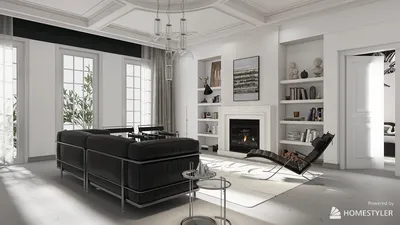


In my experience with clients, one particularly memorable case involved a request for a studio that encapsulated the essence of a Parisian café, predominantly using grey while incorporating neon accents. It was amusing to draft ideas and discover that a solitary shade of grey can mimic a palette of ten colors influenced by light and texture. This project reaffirmed the notion that limited spaces can foster remarkable creativity. Early in the process, I managed to visually enhance a tiny kitchenette by utilizing an interactive kitchen layout, which allowed me to experiment with various shades before applying any paint.
1. Warm Greige Coupled with Natural Wood
Combining warm greys, or greige, with natural wood finishes like oak or walnut brings a serene ambiance to a room. The grey tones offer tranquility, while the wood prevents the space from feeling chilly. This combination is also budget-friendly and adaptable, even if your lighting isn't ideal. However, be cautious of excessively yellow wood, as it may clash; comparing sample cards in varying light conditions can help avoid this.
save pin
2. Layering Monochrome for Added Depth
Rather than opting for a single shade of grey, I often suggest using three complementary tones: a light hue for the walls, a mid-tone for the trim, and a deep accent. This technique effortlessly introduces depth without the headache of complicated paint jobs, and clients love the polished look it brings. It's still a cost-effective solution, although you may need to dedicate more time to prepping for sharp edges between different shades.
save pin
3. Matte Accent Wall with Textural Fabrics
Applying a matte grey on one wall, accompanied by tactile textiles such as boucle cushions or linen curtains, can transform a small room into a welcoming nook. The matte finish conceals imperfections but may show wear in high-traffic zones, so I recommend opting for durable, washable fabrics nearby. For presentations, I utilize 3D renderings with Homestyler to help reassure discerning homeowners about the design.
save pin
4. Two-Tone Cabinets: Light on the Top, Dark Below
In a recent kitchen renovation, painting the upper cabinets a soft dove grey and the lower cabinets a charcoal shade created a sense of increased height while grounding the space. This approach not only looks stylish but is also practical, though darker lower cabinets tend to show fingerprints more readily; thus, careful selection of finishes is crucial. This strategy is a budget-friendly alternative to full cabinet replacements that delivers a high-end appearance promptly.
save pin
5. Whimsical Pastel-Grey Combinations
Don't shy away from pairing grey with muted pastel tones like mint or blush — these colors lighten the overall palette and create an inviting atmosphere. I implemented this strategy in a compact bedroom, resulting in a space that felt airy and sophisticated. The only caution is that overly saturated pastels can appear outmoded, so it's best to stick with softer, dusty hues. If you're hesitant, try introducing small accent items first or experiment with layouts using AI-driven interior planning tools such as Homestyler to visualize combinations.
save pin
FAQ
Q1: How do I select the perfect grey for a compact room?
I begin by gathering a few swatches and comparing them across all walls at different times of the day. Brands like Sherwin-Williams and Benjamin Moore have reliable options; opt for greys with low blue or green undertones to achieve warmth.
Q2: Which finish is preferable for smaller spaces — matte or satin?
Matte finishes conceal wall imperfections and create a cozy vibe, while satin is more easy to clean and slightly reflective, assisting in light dispersion in small areas. I recommend satin for kitchens and bathrooms and matte finishes for bedrooms and living spaces.
Q3: Does using grey make a room appear smaller?
Not always — cooler greys can create an impression of depth, making walls feel farther away, whereas warmer greys can create a snug atmosphere. Strategically layering tones and using lighter ceilings generally helps avoid a cramped sensation.
Q4: How do I match grey with wooden tones?
Align the undertones of the grey with the wood: warm greys harmonize well with honey and walnut, while cooler greys are suited for ash and bleached finishes. Always test samples together in the specific lighting of your room.
Q5: Is it feasible to use grey in a north-facing room?
Absolutely — north light tends to be cool, so select greys with warm undertones, or complement with warm textiles and wood to balance out the cooler blue light. Always check swatches in both daylight and under artificial evening light.
Q6: How can I make a grey palette feel more dynamic?
Incorporate different textures (like rugs and throws), metallic accents, and at least one contrasting tone or material to enhance visual interest. Varying sheen levels across different surfaces also adds subtle depth.
Q7: Are there any health concerns regarding the VOC levels in grey paints?
Yes — it's important to opt for low-VOC or zero-VOC paints if indoor air quality is a priority for you. Most reputable brands display VOC levels on their product pages; the EPA along with paint manufacturers recommend proper ventilation during application.
Q8: Where can I access trustworthy color guidance?
Reputable paint brands such as Sherwin-Williams offer comprehensive technical color guides and undertone charts. For detailed information on undertones and sample kits, check their website at sherwin-williams.com.
save pin
Discover the ease of home design with Homestyler! This user-friendly platform offers a powerful online design tool, stunning 3D rendering, and a wealth of DIY video tutorials. Whether you're a novice or an expert, you can effortlessly create and visualize your dream space.
Design Now for FREE
































