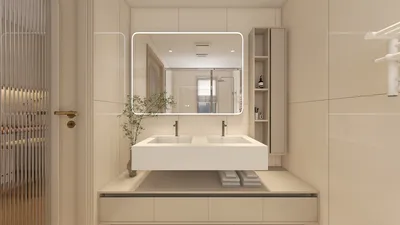


I often chuckle when I recall a client’s request for a moss-green tub paired with mocha-bark walls; it almost got the green light, until I remembered the importance of balance. My initial experiences with small bathroom renovations taught me that limited space can inspire clever solutions: compact areas can ignite innovative thoughts. For one particular project, I even created a mock-up of an unconventional shower design to demonstrate that a touch of green could enhance rather than dominate the space.
1. Moss green tiles + warm brown timber
Combining matte moss tiles with warm oak-hued vanity fronts is a favorite of mine; the tiles inject a serene, earthy essence while the wood maintains a cozy atmosphere. The benefit is an immediate spa-like environment; however, one must consider waterproofing and selecting finishes that resist staining or warping. Money-saving tip: opt for wood-look porcelain for the flooring while utilizing genuine wood for the vanity to achieve the desired aesthetic without damp-related worries.
save pin
2. Olive paint + chocolate ceramic accents
A budget-friendly color scheme features olive walls paired with deep chocolate tiles in wet areas. I once transformed a rental bathroom using olive paint alongside a chocolate tile splash; both tenants and landlords appreciated the affordability. Keep in mind, though, that darker accents may make a small bathroom feel even more confined, so it’s wise to keep ceilings and trimmings light and reflective.
save pin
3. Forest-green vanity + tan stone counter
If you’re feeling adventurous, a forest-green vanity with a warm tan or travertine countertop can create a refined, lived-in vibe. I’ve utilized this duo in narrow bathrooms where the vanity stands out beautifully — painting is a more economical choice than cabinetry replacements. The key is selecting a hardware finish that harmonizes the green and brown, such as oil-rubbed bronze.
save pin
4. Botanical wallpaper + espresso tiles
Applying botanical wallpaper with large leaves on one wall can infuse character; balance this with espresso-brown tiles or a brown hexagonal floor. I once utilized peel-and-stick wallpaper in a small powder room, and it rejuvenated the area in just a few hours. Caution: wallpaper in moisture-prone spaces requires extra care, so it’s best reserved for dry walls behind the vanity or the wall by the door.
save pin
5. Green glass mosaics + reclaimed wood shelving
Employing glass mosaics in an array of greens adds sparkle and dimension, while reclaimed wood shelves provide a contrasting tactile element. I frequently create 3D visualizations of these combinations in small bathrooms before finalizing plans; this approach is time-saving and helps avoid costly surprises with tile selection. The challenge is that mosaics can be more expensive and take longer to install, yet using a feature strip instead of a full wall significantly reduces costs.
Material tips: greens can range from soft sage to vibrant emerald; select one primary green and two accompanying shades of brown (light, medium, or dark). Lighting plays a crucial role: warm LED tones can enhance browns and give greens a warm, inviting feel rather than a chilling one.
For showcasing design choices or visualizing finishes prior to sample orders, I sometimes produce a final render board. The realistic render I presented for a recent project clinched the deal and aided in grout color selection.
save pin
FAQ
Q1: Are green and brown bathrooms good for small spaces?
Certainly — by minimizing contrast and choosing lighter greens or reflective materials, this palette can create an intimate and layered feel in a small bathroom instead of a cramped one. Keeping ceilings and trims light helps maintain a sense of openness.
Q2: What type of flooring complements green and brown themes?
Porcelain tiles that mimic wood finishes or warm stone hues are both sturdy and moisture-resistant, providing warmth without upkeep concerns. Don't forget to consider slip resistance for areas prone to wetness.
Q3: How can I avoid a dark atmosphere in the space?
Utilizing lighter grout, mirrored surfaces, and warm LED lighting; adding a high-reflectance white for the ceiling can greatly help. Incorporating greens in smaller doses — such as through a vanity or niche — manages overall visual depth effectively.
Q4: Is green paint conducive to mold in bathrooms?
The color won't influence mold growth, but it’s essential to use high-quality, mildew-resistant paint designed for bathrooms and ensure proper ventilation to minimize risks. For comprehensive mold prevention strategies, check the EPA guidelines (https://www.epa.gov/mold).
Q5: Should I avoid real wood in bathrooms?
Real wood requires meticulous care: employing sealed finishes, raised bases, and positioning them away from direct splashes can enhance longevity. Alternatively, wood-look porcelain can provide a similar appearance with much less concern.
Q6: How can I introduce brown accents without overpowering the green?
Incorporate brown through minor details: open shelving, mirror frames, hardware, or a slim floor band. This approach keeps brown as a complementary aspect and prevents visual heaviness.
Q7: What lighting temperature best suits green and brown tones?
Warm white LEDs around 2700K–3000K amplify the warmth of brown and lend a cozy touch to greens. Layering task lighting with ambient options achieves the best overall effect.
Q8: Are there any cost-effective alternatives for a high-end appearance?
Absolutely — consider porcelain that imitates stone or wood, refreshing cabinetry through paint rather than replacement, and featuring tiles in limited areas instead of extending them to entire walls. Small tweaks can create a luxurious ambiance without the hefty cost.
save pin
Homestyler is an outstanding online home design platform perfect for all your decorating needs. With its user-friendly design tool, stunning 3D renderings, and a wealth of design projects and DIY video tutorials, you'll find everything you need to create your dream space effortlessly!
تصميم الآن مجانا
































