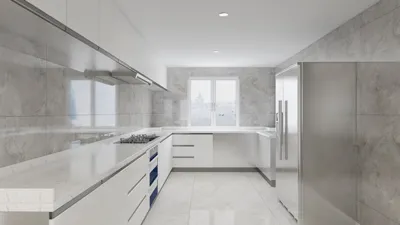


I still chuckle when I recall the instance a client requested a grazing table shaped like their feline friend — I spent an hour sketching out whiskers before we grasped the logistical challenge. That experience reminded me that effective grazing setups stem from straightforward planning rather than whimsical shapes; in most households, a well-defined layout can outweigh charming chaos. I frequently outline my logistics just as I would when utilizing kitchen layout inspiration on platforms like Homestyler: it conserves time and prevents running out of serving space.
1. Vertical Grazing Wall
At one event, I transformed a narrow hallway into a grazing display by installing staggered shelves and cutting boards on the walls. The benefits are clear: it maximizes floor area and creates a striking visual element; however, one must consider food safety and the speed of replenishment — keeping perishable items on the lower shelves and planning for quick exchanges is essential.
save pin
2. Layered Wooden Boards
One of my favorite budget-friendly tricks involves stacking boards of various sizes and materials to enhance depth. This approach elevates a simple budget to a more luxurious appearance, allowing you to reuse pieces over time; be cautious of the weight distribution and ensure stability, which is why I always secure the largest board to the surface and use non-slip pads.
save pin
3. Themed Micro Stations
Select three mini-stations — such as cheeses, charcuterie, and sweets — and approach each as a compact vignette. This method aids guests in navigating the table and tends to reduce crowds. For cozy apartments, I create a 3D layout plan (a quick mockup akin to a 3D floor transformation in Homestyler) to understand how many items each station can accommodate.
save pin
4. Rustic Crates and Boxes
For a rustic wedding grazing table, I utilized old fruit crates — these not only add height but also conceal napkins or utensils underneath. They contribute both texture and storage, though care should be taken to avoid splinters and ensure wood is sanitized prior to food contact; a thin layer of wax or a food-safe liner offers great protection.
save pin
5. Compact Round Spread
For circular or smaller dining tables, create concentric rings: dips and olives at the center, cheeses in the mid-layer, and meats on the outer edge. This setup is intimate and encourages conversation, making it ideal for 4-6 guests, while also being easy to refresh. If you're interested in experimenting with layouts using AI-powered ideas, I often reference design inspiration galleries like the ones found in Homestyler to expedite my decisions.
save pin
Tips 1:
Keep a straightforward checklist: chilled items on ice, allergen labels, and a trash/plate station positioned away from the main spread. A personal tip: precut and stack items vertically to optimize surface area. It might seem minor, but this small change can prevent crowding on a busy evening.
save pin
FAQ
Q1: What is a grazing table?
A1: A grazing table is a relaxed buffet-style arrangement where guests serve themselves from a curated mix of cheeses, charcuterie, fruits, breads, and snacks. It focuses on abundance and variety rather than officially plated courses.
Q2: How far in advance can I prepare items?
A2: Many components, such as sliced hard cheeses, cured meats, and most dips, can be prepared one day in advance; however, fresh fruits and delicate herbs are best prepared on the same day for optimal appearance and texture.
Q3: How do I keep perishable items safe?
A3: Adhere to food safety guidelines: perishable items should not be left out for more than 2 hours at room temperature (or 1 hour if the temperature exceeds 90°F). For specifics, refer to USDA recommendations: https://www.usda.gov/media/blog/2015/07/24/keep-food-safe-during-power-outage.
Q4: What budget-friendly swaps work well?
A4: Consider replacing expensive prosciutto with more affordable salami options, using seasonal fruits instead of exotic alternatives, and incorporating garnishes like nuts and pickles to enhance visual appeal without exceeding your budget.
Q5: How do I plan for a small space?
A5: Emphasize verticality, modular boards, and micro-stations; pre-portioning and using bowls for smaller items can help maintain order and prevent overcrowding on the table.
Q6: What serving tools should I provide?
A6: Ensure you have ample small serving forks, toothpicks, spreaders, and tongs, along with plates and napkins organized at an easy-to-reach area. Labeling with small cards helps minimize cross-contamination and speeds up selections for guests.
Q7: Can I theme a grazing table for dietary needs?
A7: Definitely — create designated zones for vegetarian, gluten-free, or nut-free options, clearly labeled. This enhances guest comfort and reduces the chances of accidental mix-ups.
Q8: Any quick layout resources for planning?
A8: I often create quick mockups of simple spreads using a design application or case study to visualize the space before I shop or slice. For visual examples, refer to curated galleries akin to the 3D floor transformation case to gather ideas on layout proportions and arrangement flow.
save pin
Homestyler is your go-to online home design platform! With its user-friendly design tool, stunning 3D renderings, and a wealth of inspiring design projects and DIY video tutorials, you can effortlessly transform your space and unleash your creativity—perfect for beginners and experts alike!
Дизайн сейчас бесплатно
































