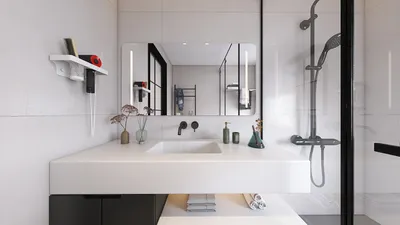


A while back, a client requested I paint their brick fireplace to reflect "the color of a moonless night," yet they declined to look at any samples. It turned out to be quite an entertaining challenge to convince them with paint swatches. To ease their anxiety, I created a quick 3D rendering using Homestyler, which allowed them to visualize the outcome, and the tension swiftly disappeared. In cozy little spaces like living rooms, it's evident that even limited square footage can inspire remarkable creative decisions.
1. Matte Black Classic
Opting for a matte black finish on the fireplace instantly makes it a striking focal point, all while maintaining balance in a compact room. This choice is ideal if your mantel and hearth are uncomplicated—its benefits include timeless appeal and soot camouflage; however, it does show dust easily and requires a high-quality primer for the best results.
save pin
2. Soft Neutral with Texture
Using a gentle warm beige or greige on the brick keeps the atmosphere bright and adds a touch of warmth. I often dilute the paint to preserve some texture of the brick. This approach is forgiving on the budget and visually appealing, but it can appear flat if the finish lacks variety—consider using a dry brush technique or glazing to introduce depth.
save pin
3. Two-Tone Mantel Accent
Experiment with painting the surround in one hue and the mantel shelf in another to achieve a layered aesthetic without a complete renovation. I once employed a darker taupe for the surround paired with crisp white on the mantel, which refreshed the room instantly—minimal preparation led to dramatic visual effects. Be cautious about proportions to avoid a top-heavy look. If you're not ready to commit to full paint, try mocking up a focal wall digitally with tools like Homestyler to check scale and contrast before purchasing paint.
save pin
4. Subtle Color Pop
For a fun yet sophisticated touch, consider painting the fireplace in muted jewel tones—like deep teal or olive—while keeping the adjacent walls neutral. I did this in a rental space where the client desired personality without permanence; the key is choosing a hue that complements existing fabrics. However, be aware that trendy colors can quickly fall out of favor, so stick to options with lasting appeal or utilize removable finishes if renting.
save pin
5. Chalkboard or Magnetic Finish for Function
If the fireplace is located in a family area, applying a durable chalkboard or magnetic finish to the hearth surrounding can add functionality: it's perfect for notes, kids’ art, or changing displays. I tried this approach in a compact townhouse—it was easy to alter and budget-friendly, but be sure to use a solid sealant for longevity. For a more refined preview, consider employing AI-enhanced mockups or color studies using Homestyler.
save pin
Tips 1:
Preparation accounts for 80% of the successful outcome: ensure surfaces are clean, apply a stain-blocking primer, and sand down glossy surfaces. As a budgeting tip, investing in a quality primer along with mid-range paint typically yields better results than opting for cheaper paints that may require redoing.
save pin
FAQ
Q1: What paint is suitable for a brick fireplace?
A1: A high-adhesion latex or masonry paint combined with a stain-blocking primer is advisable; if your fireplace is near gas logs, ensure the paint is heat-rated. Applying two thin coats is more effective than a single thicker one.
Q2: Is it permissible to paint a fireplace in a rental?
A2: Certainly—utilizing removable chalk or magnetic paint offers flexibility, or you may negotiate a neutral repainting option with your landlord. Temporary peel-and-stick tiles also provide a renter-friendly solution.
Q3: What steps should I take to prepare a soot-stained fireplace?
A3: Clean the area with a trisodium phosphate (TSP) solution or a commercial degreaser, rinse thoroughly, and follow up with a stain-blocking primer to prevent any bleed-through before painting.
Q4: Should I choose a matte or glossy finish for a fireplace?
A4: Matte finishes conceal flaws and create a cozy ambiance in smaller spaces, while semi-gloss is easier to keep clean and reflects light. Typically, I prefer matte for classic styles and semi-gloss for frequently used hearths.
Q5: What color schemes work best for compact rooms?
A5: Soft neutrals, warm greiges, and deep muted jewel tones that contrast subtly with the walls help maintain the fireplace as a distinct feature without overwhelming the space. Balance is crucial: a very dark fireplace may require lighter finishes nearby to enhance the room’s feel.
Q6: How long can I expect my fireplace paint to last?
A6: With proper preparation and high-quality paint, anticipate a lifespan of 5 to 10 years before needing touch-ups, although high-traffic or exposed areas might require more frequent refreshes.
Q7: Where can I find reliable information on primers and masonry paints?
A7: Yes—brands like Benjamin Moore offer detailed guidance; check out Benjamin Moore’s masonry and concrete paint suggestions at https://www.benjaminmoore.com for specific product information and primer recommendations.
Q8: Can I carry out a fireplace paint update on my own?
A8: Absolutely. With some basic tools, thorough cleaning, a quality primer, and patience for drying times, a DIY update is very doable. However, for complex materials or heat sources, it’s advisable to consult a professional.
save pin
Homestyler is your go-to online home design platform! With its user-friendly design tool, stunning 3D renderings, and a wealth of inspiring design projects and video tutorials, you can effortlessly create and visualize your dream spaces. Transform your home design ideas into reality today!
Concevez maintenant gratuitement
































