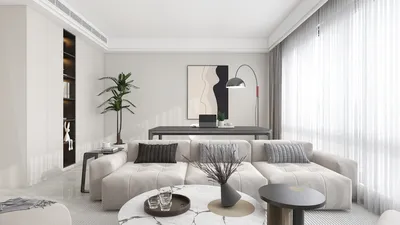


I enjoy incorporating fabric as wall art due to the unique depth, warmth, and tactile quality that textiles bring—qualities that paint simply cannot provide. Strategic color selections and diverse fiber combinations can dramatically alter the ambiance of a room, making it feel more serene, vibrant, or stable without the need for extensive renovations. Research in color psychology reveals that shades of blue and green are effective at reducing stress and enhancing concentration, while inviting tones like terracotta are excellent for energizing social spaces. An overview by Verywell Mind on color psychology emphasizes how chromatic intensity and brightness can influence our emotions and behaviors. Additionally, a study from Gensler suggests that an assortment of visuals and rich materials leads to increased satisfaction in workplace settings, indicating that textured and thoughtfully designed surfaces foster engagement and comfort.
Lighting plays a crucial role alongside color selection. The Illuminating Engineering Society advocates for a balance of brightness and glare reduction to ensure visual comfort, as noted in their standards. Practically, using soft, indirect lighting around fabric artwork helps to minimize harsh shadows while maintaining a brightness level of 300–500 lux in living areas to ensure visibility without straining the eyes. When I design a wall arrangement, I first assess sightlines, sources of natural light, and specific tasks, before selecting textiles that perform well in varying lighting conditions, including both natural and evening light.
Framed Fabric Panels: Clean, Elevated, and Modular
By stretching fabric within a basic frame, one can achieve a crisp, geometric aesthetic reminiscent of a gallery setting. For a matte finish that effectively diffuses light, I prefer materials such as linen, cotton duck, or wool blends. In minimalist rooms, a monochrome palette with subtle weaving variations works beautifully; conversely, for more eclectic designs, I combine complementary colors such as indigo and rust to create visual rhythm. Maintaining panel widths between 18 and 36 inches ensures balanced proportions, and odd-numbered arrangements generally feel more dynamic. Adding a slim shadow gap between the frame and the wall creates visual relief, and employing acid-free backing will prolong the lifespan of the artwork while avoiding fabrics prone to warping under tension.
Textile Collage: Layered Stories with Color Psychology
A textile collage allows for the creative combination of remnants—such as ikat, block prints, and velvet offcuts—into a compelling narrative piece. I begin by laying fabric swatches out on the floor to establish a dominant hue (60%), a secondary hue (30%), and an accent (10%) to foster visual harmony. This balanced 60–30–10 ratio guides the viewer's eye without creating chaos, and the contrast between textures (matte versus plush) adds an additional dimension. The pieces can be stitched onto a canvas or mounted under acrylic for protection against dust. To cultivate a calm environment, I recommend anchoring the collage with cooler shades; for spaces seeking a burst of energy, add a warm accent in limited doses to enhance vibrancy without overwhelming.
Fabric-Wrapped Acoustic Panels: Beauty Meets Quiet
Creating a comfortable acoustic environment transforms how one interacts with a space. By wrapping mineral wool or recycled PET cores in upholstery-grade fabric, I craft visually appealing sound-absorbing art. Strategically placing these panels opposite hard surfaces or near conversational areas helps capture sound reflections. Selecting dense weaves in darker, subdued colors allows these panels to recede visually, making the room feel both quieter in terms of sound and aesthetic appeal. A grid configuration of 24-by-24-inch modules, with negative space in between, promotes sound diffusion while ensuring a refined appearance.
Large-Scale Wall Hangings: Soft Architecture
For spaces that lack a sense of warmth or vertical emphasis, an oversized hanging can serve as a soft architectural accent. Consider pieces such as handwoven flatweaves, vintage suzanis, or contemporary quilted designs. They can be affixed using a wooden dowel or a minimalist track fitted with regularly spaced clips to ensure a straight drape. I suggest hanging the artwork at least 12 to 18 inches above furniture to create a sense of separation. If the artwork features a pattern, replicating one of its colors elsewhere in the room—perhaps through throw pillows or a small rug—will create a cohesive palette.
Botanical and Ombre Dye Techniques: Nature-Infused Gradients
Using plant dyes and ombre effects introduces pleasing organic transitions that are visually soothing. Before dyeing, I pre-wash fabrics like cotton or silk to eliminate sizing and perform tests on dye baths to avoid unexpected results. Ombre panels convey serenity more effectively than intricate patterns and facilitate a smooth blend between adjacent hues on a gallery wall. Depending on the desired effect, keep gradients vertical in spaces requiring perceived height and horizontal in narrower areas to create openness. Pair soft gradients with simple frames to prevent visual overload.
Patchwork Quilts as Wall Art: Heritage with Modern Balance
Quilts bring an abundance of intricate patterns and craftsmanship to the table. To avoid overwhelming the space visually, I balance the complexity of quilt blocks with ample negative wall space and neutral surroundings. Hanging a quilt on a floating rod with concealed brackets gives it a sleek look; ensuring even support prevents stretching. In cases where the room contains a variety of patterns, repeating a quilt color in a solid rug or curtains stabilizes the overall palette, aiming for a curated rather than cluttered feel.
Minimal Fabric Banners: Crisp Lines, Quiet Drama
For contemporary interiors, I opt for narrow fabric banners made from wool felt, denim, or heavyweight linen, typically measuring 8 to 12 inches wide. Staggering their heights creates an engaging skyline effect, while keeping edges laser-cut or elegantly hemmed enhances their clean aesthetic. Limiting the color scheme to two hues maximizes texture's impact. Banners work wonderfully in corridors where interest is desired without the risk of protrusion.
Textured Reliefs: Pleats, Piping, and Appliqué
Dimensional textiles function like understated sculptures. Techniques such as pleated felt, piped cotton, and appliquéd shapes create intriguing shadow plays while avoiding excessive projection. I arrange these elements in grids or gentle waves to mitigate visual clutter. For safety and ease of cleaning, I recommend keeping the relief depth under 1.5 inches, especially in high-traffic areas.
Layout Planning: Sightlines, Rhythm, and Scale
Prior to hanging artwork, I outline the wall layout, identifying the centerline, anchor points for furniture, and the primary viewing angles. For optimal alignment, art should be positioned 57 to 60 inches at the center to correspond with standard eye level; larger living areas can have slightly higher placements according to seating depth. When creating gallery walls, varying the spacing to between 2 to 4 inches enhances visual airiness. If testing compositions, a digital room layout tool such as Homestyler can help visualize spacing and scale adjustments.
Material Choice and Sustainability
Natural materials like linen, cotton, and wool develop a beautiful patina over time and are easier to mend. Utilizing recycled fabrics and deadstock textiles not only reduces environmental impact but also adds one-of-a-kind character. I steer clear of overly shiny synthetics in rooms prone to glare, as these can highlight imperfections. When possible, apply reversible mounting options for the ability to clean or seasonally rotate the fabric. If artwork is placed in bright sunlight, employing UV-filtering films on windows helps in preserving color integrity.
Color Strategy: Mood and Behavioral Intent
In serene bedrooms, cooler tones with lower saturation levels are preferable for promoting tranquility. In creative workspaces, I gravitate towards mid-saturation blues and greens to boost focus and problem-solving capabilities, aligning with color psychology principles. Entryways benefit from warm and welcoming shades that read clearly under varied lighting conditions. I always test color swatches at different times of the day to account for changes under natural light and ambient sources.
Lighting Your Fabric Art
Using lights with a color temperature of 2700–3000K creates a soft ambiance in living areas, while 3500–4000K neutral light is ideal for studios or kitchens where clarity is key. Aim for wide beam spreads (30–40 degrees) to ensure an even wash of light and incorporate dimmers to adjust moods. Positioning fixtures to gently skim the artwork rather than directly illuminate it reveals the textile's texture without causing glare. If using glass-front frames, a slight tilt can help mitigate reflections.
Mounting and Care
For rental environments, non-invasive mounting solutions like poster rails, clip systems, and fabric-safe adhesive squares are highly effective. For heavier fabric pieces, French cleats or anchored brackets are recommended. I gently vacuum textiles with a brush attachment and spot-clean according to each fabric's specific requirements, testing small hidden areas first. It's advisable to rotate pieces each year to manage light exposure evenly.
Quick Starter Ideas
- Frame a vintage scarf in a sleek metal frame for immediate character.
- Design a triptych of ombre-dyed cotton panels to establish a calming focal point.
- Envelop acoustic cores with textured wool to reduce echoes in an expansive living area.
- Display a single large kilim to successfully anchor a minimalist room.
- Create a tonal collage from leftover upholstery cuttings for an artistic touch.
FAQ
Q1: What fabric types are best suited for wall art?
A: Reliable options include linen, cotton duck, canvas, wool felt, and silk blends. These materials hold their shape well, display texture effectively, and photograph nicely. It's best to avoid very stretchy fabrics as they tend to sag over time.
Q2: What is the ideal height for hanging fabric art?
A: Aim for 57-60 inches at the center of the piece to align with typical eye levels. Adjust slightly in spaces with deep seating that necessitate higher sightlines.
Q3: How can I avoid glare on framed fabrics?
A: Utilize non-glare acrylic or glass, position lighting to skim across the surface, and maintain consistent color temperatures (2700-3000K is ideal for living areas).
Q4: Can fabric art enhance acoustic properties?
A: Yes, fabric-wrapped panels over sound-absorbing materials significantly reduce sound reflections and improve speech clarity, especially when placed opposite hard surfaces.
Q5: What color schemes are ideal for tranquil rooms?
A: Cooler shades with lower saturation, such as various blues and greens, are typically conducive to calm and focus; color psychology highlights blue's relaxation qualities.
Q6: How can I arrange a gallery wall without excessive drilling?
A: Lay out the pieces on the floor, mark a centerline on the wall, and use painter's tape to test space (2-4 inches). Digital layout tools, including options like Homestyler, can assist in visualizing arrangements beforehand.
Q7: Are plant-dyed fabrics resistant to fading?
A: Many natural dyes are sensitive to UV exposure. Using UV-filtering window film and rotating pieces periodically can significantly reduce fading.
Q8: What is the correct cleaning method for fabric art?
A: Regular dusting with a soft brush vacuum attachment is recommended. Spot-clean according to the fabric type, testing first in inconspicuous areas, and avoid over-wetting to minimize warping.
Q9: How can I prevent large hangings from sagging?
A: Support large pieces with a sturdy dowel or rod, evenly space clips, and consider using a center support for wider displays. Maintaining consistent humidity can help prevent tension changes in the fabric.
Q10: Is it possible to mix patterns without creating visual chaos?
A: Certainly! Utilize a 60-30-10 color ratio, limit the pattern scales to two or three, and anchor the ensemble with solid colors to provide resting points for the eye.
Homestyler is your go-to online home design platform, perfect for both beginners and seasoned DIYers. With its user-friendly design tool, stunning 3D renderings, and a wealth of design projects and video tutorials, you can effortlessly create and visualize your dream space. Start designing today!
Desain sekarang Gratis
































