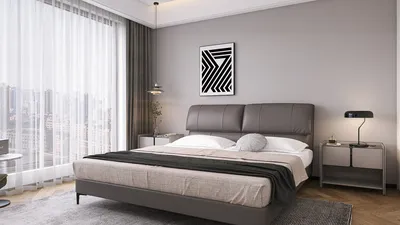


Once, a client requested that I paint each door in their small apartment a unique color to help guests "find the right vibe." I chuckled at first, but then I accepted the challenge and discovered just how much a single door can influence the atmosphere of a room. For quick design inspiration, I often showcase my room planning examples, which effectively illustrate how scale and color flow work together before any paint is applied.
1. Bold Accent Door
In an otherwise neutral hallway, I enjoy using a rich, bold color on one door — consider matte navy or forest green set against white walls. This approach creates a dramatic effect that is both striking and affordable, establishing a focal point without overwhelming the space.
Such colors not only conceal scuff marks but also bring character to the area. However, keep in mind that darker tones may accumulate dust more readily and require frequent touch-ups. My advice: test a paint sample at eye level and observe it for a few days before making a final decision.
save pin
2. Two-Tone Doors for Enhanced Depth
Dividing a door either horizontally or vertically with two harmonious colors can provide a custom, furniture-like appearance. For instance, I once painted a pantry door in warm beige and cool slate — the outcome transformed the room into a more curated space.
This technique creates an illusion of depth, particularly useful in compact areas, but achieving clean lines demands high-quality painter’s tape or a steady hand. For those on a budget, adding a thin hardwood trim can effectively mask any minor imperfections.
save pin
3. Writable or Chalkboard Paint
For households or home offices, using writable paint can turn a door into a functional organizational tool. I painted the back of a mudroom door with chalkboard paint, and grocery lists along with doodles became integrated into the decor.
This playful solution is useful, though it can be messy and requires occasional cleaning. A clear coat over the chalk surface can minimize dust if you prefer to use markers instead of chalk.
save pin
4. Patterns with Stencils and Stripes
Incorporating patterns can introduce an element of surprise without extensive renovations; a simple stencil or understated stripes can beautifully complement cabinetry and textiles. On a tight budget, I often opt to stencil a small motif repeated vertically, simulating the appearance of upscale millwork.
Patterns can be forgiving from a distance, but they may reveal flaws up close. Embrace an artisanal feel or utilize a projector for precision. If you're coordinating with open-plan layouts, ensure consistency in pattern scale for visual harmony.
save pin
5. Sleek Trim and Monochromatic Finish
A consistent color that aligns with trim or cabinetry allows doors to blend seamlessly into the background, creating an impression of larger space — particularly beneficial in smaller apartments. I implemented this technique in a studio, resulting in a serene and organized feel.
This minimalist style is classic, though it might appear flat if everything matches too closely. To add dimension, mix textures such as satin and eggshell sheens or introduce metallic hardware for subtle contrast. If you want to visualize how colors work within your space, consider using Homestyler to see coherent palettes in practical layouts.
save pin
Quick Practical Tips
Always lightly sand and prime the surface if you're making a significant color transition — this will save you time on recoating. Utilize sample pots to apply colors directly onto the door and observe their appearance throughout the day.
Lastly, when I need clients to envision an entire design scheme, I frequently utilize 3D render showcases, ensuring everyone is confident with their choices before we proceed with painting.
save pin
FAQ
1. What are the best paint finishes for interior doors?
I typically recommend satin or semi-gloss finishes for doors due to their durability and ease of cleaning. Satin finishes tend to conceal imperfections slightly better than high-gloss finishes while still being scuff-resistant.
2. Can painting doors add value to my home?
Absolutely — a well-designed, cohesive color scheme enhances curb appeal and the perception of maintenance, both of which resonate with potential buyers. Small updates, such as refreshing door colors, are cost-effective in comparison to comprehensive remodels.
3. How should I choose a door color for a compact space?
In small areas, I generally favor a seamless monochrome approach to enlarge the visual perspective, or alternatively, a single vibrant accent door to infuse depth while keeping clutter at bay. Always test samples in your specific lighting first.
4. Are low-VOC paints safe and effective?
Low-VOC paints release fewer volatile organic compounds, making them a safer choice for indoor air quality. For more information, refer to the US EPA guidelines on VOCs and indoor air: https://www.epa.gov/indoor-air-quality-iaq/volatile-organic-compounds.
5. Should I also paint door frames?
If the frames have scratches or are made of a different material, repainting them can unify the overall appearance. Occasionally, leaving frames in a contrasting trim color can be an intentional design choice that exudes a high-end look.
6. Is it possible to paint over stained wood doors?
Yes, however, you will need to apply a stain-blocking primer to avoid bleed-through and ensure proper adhesion. Light sanding for a better grip, alongside the right primer, will enhance the longevity of the finish.
7. How long can I expect paint on doors to last?
With normal wear and a durable finish, painted doors can last for years before they require touch-ups. High-traffic doors may need occasional maintenance or a repaint every few years to keep them looking fresh.
8. Any expert tips for DIY door painting?
If possible, remove hardware, utilize a smooth brush or foam roller for a factory-like finish, and allow each coat to cure thoroughly. Patience is key — hurrying can result in brush marks and drips.
save pin
Homestyler is an outstanding online home design platform perfect for anyone looking to create stunning interiors. With its user-friendly design tool, impressive 3D rendering capabilities, and a wealth of DIY video tutorials, you can easily transform your ideas into reality. Start designing your dream space today!
Design Now for FREE
































