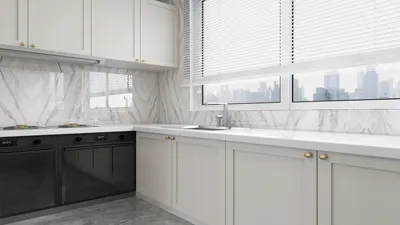


I had the opportunity to work with a client who wanted to transform their small apartment using a DIY solar kit, specifically requesting that the panels be aesthetically pleasing for Instagram. After spending a week on measurements, design mockups, and creating a humorous mock panel on the rooftop, I discovered the critical factors involved in positioning solar panels: their placement can significantly affect both functionality and visual appeal. Utilizing a tool like Homestyler can assist in visualizing these placements effectively.
1. Balcony Micro-Array
Small balconies present unique challenges that spark creativity. By installing a compact solar power kit onto a railing or via a foldable stand, you can enjoy the benefit of morning kettle power and charge your devices without making a significant financial commitment. The main advantage is the immediate savings, although shaded balconies might limit energy output.
save pin
2. Window-Mounted Panels with Integrated Storage
I once installed slim solar panels on a south-facing window, cleverly concealing a slim battery behind the curtain rail — it was an economical and renter-friendly solution. While this setup isn't suitable for heavy power demands, it works perfectly for lighting and small appliances. Just ensure there's adequate ventilation to prevent overheating, and opt for batteries specifically rated for indoor use.
save pin
3. Kitchen Battery Nook
Kitchens often have underutilized corners that can become ideal micro-energy hubs. By creating a shallow storage space to accommodate batteries and an inverter, maintenance becomes hassle-free while keeping cables organized — envision it as your integrated kitchen energy solution. The only downside is losing some storage space, which you can compensate for by utilizing smart shelving.
save pin
4. Portable Solar Stations for Small Yards
For those with compact yards or patios, a portable solar cart with foldable panels can be invaluable for weekend energy needs. I designed one for a client who enjoys barbecuing and hosting DIY music nights. While it is flexible and budget-friendly, ensure to secure it against wind and potential theft, and budget appropriately for a mid-sized battery.
save pin
5. Blended Smart Systems
Integrating a DIY kit with smart energy management systems can provide an optimal solution: I guided a family in connecting their solar panels with smart plugs and scheduling functionalities to prioritize energy usage for heating water and refrigeration. When planning for seamless control and future upgrades, factor in smart energy staging, which, while introducing some complexity and costs, can cater to your household's evolving needs.
save pin
FAQ
Q1: What size solar power kit do I need for a small home?
To estimate power requirements, list essential appliances (like the fridge, lights, and router) and calculate daily watt-hour consumption. For compact homes, kits ranging from 500 to 2,000 watts paired with a battery of 1 to 5 kWh typically meet most usage demands, depending on individual needs.
Q2: Are DIY solar kits safe to install indoors?
Indoor-safe options are available, but it's essential for batteries to have proper ventilation and fire-resistant enclosures. Always adhere to manufacturer recommendations and local electrical standards to minimize risks.
Q3: Do I need permits for DIY solar installations?
In many cases, yes — various local governments require electrical permits and inspections for grid-connected systems or battery setups. Prior to commencing work, always consult your local building department to avoid potential fines or removal mandates.
Q4: How much does a basic DIY solar kit cost?
Basic kits (which include panels, a standard inverter, and a small battery) usually start at a few hundred dollars. More comprehensive home kits can vary in cost from $2,000 to $8,000. It's wise to evaluate long-term savings and any available incentives while budgeting.
Q5: Can I connect a DIY kit to the grid?
Connecting to the grid is feasible but often necessitates the use of UL-listed gear and may require a certified electrician for the final connection. Utilities typically expect an interconnection agreement, so it's important to engage with them early in your planning process.
Q6: How do I maximize output in shaded or urban settings?
Utilizing microinverters or power optimizers for each panel ensures that every module operates independently. It's advisable to prioritize placements facing south or west. Making slight adjustments to the tilt, using reflective surfaces, and avoiding shadows during peak hours can enhance usable energy production.
Q7: Where can I find reliable technical specifications and safety guidelines?
Trustworthy, expert guidance is accessible from the U.S. Department of Energy (https://www.energy.gov/) and your local electrical regulations. I strongly recommend reviewing these resources before purchasing components to guarantee compliance and safety in operation.
Q8: Any quick interior tips for integrating solar equipment into a home?
To seamlessly incorporate solar gear within your home, consider disguising batteries behind ventilated cabinets, using cable conduits that blend with wall colors, and planning a compact charging station near your entryway. A considerate arrangement ensures that the technology remains functional yet unobtrusive in your living space.
save pin
Homestyler is your go-to online home design platform! With its user-friendly design tool, stunning 3D renderings, and a wealth of DIY video tutorials, you can effortlessly create and visualize your dream space. Transform your home design journey into an inspiring adventure today!
Design jetzt kostenlos
































