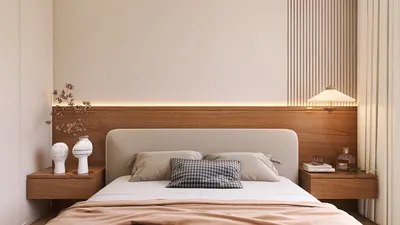


I once assured a client that I could transform a living room into a stylish boutique hotel vibe, all while working with just a $120 budget and some pine offcuts. In this project, the slat wall I constructed was essential to both the creative vision and my self-esteem. I discovered that proper spacing and effective lighting are crucial when designing slat features, and that even small areas can inspire innovative solutions. To visualize my ideas, I frequently utilize interactive room mockups, such as those found in Homestyler, to ensure everything goes smoothly on installation day.
1. Vertical storage slat wall for entryways
Transform a compact entryway into an efficient grab-and-go space by installing horizontal cleats and hooks on slim vertical slats. This not only maintains a neat appearance but also optimizes vertical space, keeping shoes, bags, and keys elevated from the floor.
Benefits include cost-effective materials, high functionality, and ease of expansion. However, the main challenge lies in locating studs or using a robust backing panel for heavier items. For an affordable upgrade, consider using pine battens or MDF strips and applying paint for a refined finish.
save pin
2. Floating-shelf media slat wall
Enhance the appearance of a TV wall by incorporating narrow slats that support floating shelves, giving the illusion of hovering. I implemented this design for a studio client, effectively merging the TV into a cohesive composition rather than making it the primary focal point of the room.
Advantages include cable concealment, additional display surfaces, and strong visual appeal for social media. However, it does require meticulous measurements for screen positioning and proper ventilation. An effective strategy is to hide cables behind a thin plywood layer, allowing for future adjustments to the shelves' layout.
save pin
3. Half-height partition slat wall to define zones
In open-concept small apartments, I frequently design a half-height slat partition to delineate kitchen and living spaces without obstructing light. This approach fosters a sense of flow between areas while infusing both with character. By creating quick 3D mockups using tools like Homestyler, clients can visualize sightlines effectively before any wood is cut.
The benefits include maintaining openness, adding vertical interest, and providing a low shelf. Challenges involve ensuring a secure anchoring system and balancing privacy with openness. A pro tip is to leave small spaces between slats, allowing for airiness while still subtly indicating separate zones.
save pin
4. Acoustic slat wall for noisy bedrooms
By combining slats with mineral wool or acoustic foam, this design minimizes echo and creates a luxurious atmosphere reminiscent of high-end hotels. I installed one behind a headboard, and the improvement in sound quality was remarkably significant.
Advantages include enhanced sound quality, concealed insulation, and a modern aesthetic. Trade-offs could be slightly elevated costs and the need for more precise installation techniques. A key installation tip is to use breathable fabric behind the slats to maintain effectiveness and prevent moisture buildup.
save pin
5. Painted patterned slat wall with integrated lighting
For a striking visual effect, alternate paint colors on the slats and incorporate LED strips behind selected battens; this creates a stunning artwork by night and texture by day. I tested this in a rental makeover, and the tenant appreciated the dramatic effect without any lasting alterations.
Benefits include impactful design, flexibility in customization, and options suitable for renters. Challenges involve precision in painting and planning electrical installations. If you're interested in experimenting digitally before starting, AI-powered tools like Homestyler can help suggest effective color and lighting combinations for your space.
save pin
FAQ
Q: What materials are best for DIY slat walls?
A: Common materials include pine battens, poplar, MDF strips, or plywood slats. Pine is budget-friendly, while MDF provides a smooth finish for painting. Your choice should depend on the desired aesthetic and budget considerations.
Q: What spacing is appropriate for slats?
A: Generally, spacing should range from 1/4" to 3/4" for a polished look, or 1"–2" for a more graphic design. I always create a sample strip to ensure the visual rhythm is right before finalizing plans.
Q: Is it necessary to fasten slat walls to studs?
A: Heavy items must be anchored to studs or secured to a solid plywood backing that is itself screwed into studs. For lighter shelves or hooks, ensure you use appropriate anchors rated for the intended load.
Q: Can slat walls assist with soundproofing?
A: Absolutely — by adding absorptive materials like mineral wool or acoustic panels behind the slats, you increase sound dampening. The slats not only cover but also enhance the intentionality of the design.
Q: Are slat walls a good option for rental properties?
A: Definitely — consider using removable battens attached with French cleats or non-damaging fasteners, or attach slats to a thin panel that can be secured without causing significant damage to drywall.
Q: What is the cost of a DIY slat wall?
A: Costs vary; basic pine battens can be as low as $5–$10 per linear foot, while premium woods and inclusive lighting will increase the overall expense. I typically estimate costs per square foot and add an additional 15%-20% for hardware and finishing materials.
Q: What tools will I need for construction?
A: Essential tools include a miter or circular saw, drill, level, tape measure, and either a nail gun or screws. For consistent spacing, a spacer jig or scrap wood spacers are incredibly useful.
Q: Where can I find reliable DIY resources?
A: Reputable resources like This Old House offer thorough carpentry advice and installation guidance (check https://www.thisoldhouse.com for detailed instructions). My approach includes creating sample mockups, confirming attachment methods, and testing finishes prior to a full installation.
save pin
Looking to transform your home? Homestyler is your go-to online design platform! With its user-friendly design tool, stunning 3D renderings, a wealth of design projects, and helpful video tutorials, you can effortlessly create your dream space. Start designing today!
Desain sekarang Gratis
































