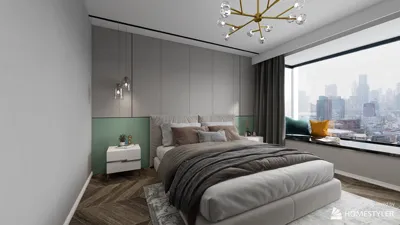


I once created a sensory table designed for twins who desired an "ocean lava" experience—mixing blue beads, glitter, and dyed rice that almost turned my client's living room into a vibrant art piece. This taught me an essential lesson: always opt for trays with tall sides and keep the vacuum at hand. While the initial chaos could have been overwhelming, it highlighted how small sensory stations can ignite immense creativity and how thoughtful design choices can effectively contain play. For compact inspiration and visual references, check out this design gallery that features layouts for safe and tidy setups using Homestyler.
1. Convertible Tray Table
I prefer a versatile tray that sits on a low coffee table or transforms into a foldable station suitable for kids. This approach is straightforward, portable, and easily stowable when guests arrive. The benefits are clear: quick assembly and minimal storage requirements; however, the drawback is limited depth, so it's wise to select tactile materials that won’t easily scatter (consider using water beads in a shallow container or kinetic sand in a lined tray). A simple waterproof tablecloth placed underneath can save you from a cleaning headache.
save pin
2. Vertical Sensory Wall
In small apartments, I often hang sensory panels on the backs of doors or short walls, which can include pockets, zippers, textured fabrics, and bottle caps secured on a board. This design is fantastic as it frees up floor space and promotes fine motor skill development, although children may want to remove elements, making secure fastenings essential. I have effectively used magnetic boards in the past, allowing pieces to be easily changed while remaining contained.
save pin
3. Themed Sensory Bins with Labels
Themed bins (like ocean, farm, and kitchen) allow for material rotation and facilitate language learning during play; I incorporate small scoops, measuring cups, and image labels to enhance vocabulary and sequencing. They are cost-effective and educational, yet storing various themes can take up space, so foldable bins come in handy. For quick layout ideas for organizing a play corner, I found an inspiration showcase that illustrated clever strategies for zoning areas for messy and tidy activities with the help of Homestyler.
save pin
4. Sensory Cart on Wheels
A slim utility cart with baskets has become my go-to for families desiring mobility: you can roll it outside, position it near a window, or store it away in a closet. This solution offers flexibility and layered storage; the key challenge is placing heavier items on the lower shelves to prevent tipping. I label each basket and utilize transparent containers, allowing kids to independently choose their materials.
save pin
5. Multi-sensory Light and Sound Station
Incorporating LED strips, sensory bottles, and a compact speaker can transform a table into an immersive sensory station, ideal for calming play or exploratory learning. It creates an enchanting atmosphere and delivers a significant impact, yet the presence of electronics necessitates careful supervision and waterproofing nearby materials. For ideas grounded in actual implementations and 3D visualizations, I often peruse real-life makeover examples to balance aesthetics with safety, often represented using Homestyler.
save pin
FAQ
Q: What age is ideal for creating a DIY sensory table?
A: Sensory play can start as early as six months with simple textures for supervised exploration; from age two to five, kids significantly benefit from tactile experiences. Always monitor and eliminate small choking hazards for toddlers.
Q: What materials are safe to use?
A: Opt for non-toxic, washable materials like rice, uncooked pasta, play-rated water beads, kinetic sand, and sealed sensory bottles. Check labels and exclude small parts for children under three.
Q: How can I minimize mess during sensory play?
A: Employ high-sided trays, washable mats, furniture with rounded edges, and secure loose materials in zip containers when not in use. Rotate themes to ensure only one messy bin is available at a time.
Q: Are sensory tables beneficial for development?
A: Absolutely — they enhance fine motor skills, language acquisition, social interaction, and self-regulation. For detailed developmental advantages and guidelines, refer to the American Academy of Pediatrics resources regarding play and early learning (https://www.aap.org).
Q: What’s a cost-effective build idea?
A: Repurpose a shallow drawer or an unused TV tray, line it with a waterproof mat, and add small scoops and toys purchased from dollar stores. Using washable stickers provides a personal touch without overspending.
Q: How do I organize multiple sensory themes?
A: Utilize stackable clear bins labeled with photos or opt for a rolling cart so that themes are mobile and can be hidden when guests arrive. Vacuum-sealed bags are ideal for storing bulk dry materials.
Q: Any suggestions for sensory play in small living spaces?
A: Emphasize vertical solutions like wall panels or compact trays, schedule sensory play during predictable times of the day, and keep cleaning supplies readily available for swift cleanup. Establishing consistent storage habits helps maintain a serene environment.
Q: Should I engage caregivers in the planning process for the table?
A: Definitely — caregivers understand a child’s specific interests and sensory preferences. Co-designing the sensory table ensures it remains engaging and safe. I typically draft a simple rotation plan with parents to sustain long-term commitment.
save pin
Homestyler is your go-to online home design platform! With its user-friendly design tool, stunning 3D renderings, and a wealth of DIY video tutorials, you can effortlessly create and visualize your dream spaces. Transform your home design ideas into reality today!
Projete agora para LIVRE
































