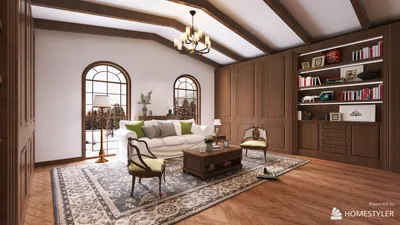


When crafting divider screens, I focus on creating privacy, defining spaces, and enhancing acoustics while maintaining light flow. An effective DIY room divider should account for human factors such as sightlines at eye level, movement paths, and how individuals typically interact within rooms. The aim is to achieve clarity by establishing distinct zones, all while ensuring a harmonious blend of materials, light, and color that can be effortlessly visualized with tools like Homestyler.
Research indicates that basic spatial separations significantly enhance comfort and productivity. Studies from Steelcase show that having control over one’s environment—particularly visual and acoustic boundaries—can increase engagement and wellbeing in open environments. Similarly, the WELL v2 standard points out that proper zoning can improve comfort levels, recommending background noise to remain under 40–45 dBA in focused areas to alleviate cognitive strain. I consider these sound thresholds crucial when selecting divider materials and their heights.
Choosing the right colors is equally important. According to Verywell Mind’s review of color psychology, shades of blue and green promote calmness and concentration, while warm neutrals create inviting atmospheres. When a divider serves as a prominent visual element, its hue and reflectivity can subtly influence behavior—soft, cool colors for dedicated study areas, and warm, textured tones for social spaces.
Plan Your Zones Before Implementation
Begin by mapping out behaviors: where do you read, work, or take calls? Strategically place dividers taking circulation into account, leaving at least 36–42 inches for unobstructed passage. If you’re testing different furniture arrangements, a quick layout simulation can identify potential issues with flow and visibility. I often draft multiple designs and utilize a room design visualization tool, like Homestyler, to accurately visualize clearances, lighting, and focal points before finalizing materials.
Innovative Divider Ideas Considering Light
Light profoundly influences how spaces are perceived, perhaps more than permanent walls. It's crucial to let in natural light while managing glare. According to IES guidelines, spaces are usually comfortable at 100–300 lux, whereas task-oriented areas often require 300–500 lux. Therefore, choose dividers that allow light to filter through rather than completely blocking it:
Affordable Acoustic Comfort Solutions
While dividers don’t provide full acoustic insulation, strategic layering can effectively reduce ambient noise by 3–8 dB. Use materials like felt, cork, and thick textiles in conjunction with solid surfaces like plywood or MDF to absorb and negate sound. Incorporating rugs and plush furniture on both sides can further dampen echo. In home office environments, target a background noise level of 40–45 dBA in areas meant for focus, positioning the screens to interrupt direct sound from kitchens or hallways.
Versatile DIY Concepts
I prefer modular designs since they can adapt as the space evolves:
Understanding Ergonomics and Sightlines
Average seated eye level ranges from 43 to 48 inches, while standing eye level is about 60 to 66 inches. For visual privacy at a desk, a divider height of 54 to 60 inches is adequate to obstruct seated views while still allowing daylight to filter through. When designing for living areas, a height of 66 to 72 inches strikes a balance between creating a sense of enclosure and maintaining openness. Be sure to round or chamfer edges to minimize potential bumps in tight areas.
Selecting Sustainable Materials
Opt for materials that are durable and low-maintenance. Options like FSC-certified plywood, recycled PET felt, cork, and powder-coated steel serve as robust choices for DIY projects. When it comes to textiles, prioritize those with high Martindale ratings and low-VOC finishes. If painting, choose low-sheen options to minimize glare, and consider muted shades that harmonize with the overall room palette.
Applying Color Psychology
If the screen is intended to create a tranquil zone, opt for soft blues or sage colors to promote focus. For more social settings, earthy tones like taupe, terracotta, and sand can enhance the experience. Insights from Verywell Mind suggest that cooler shades can alleviate stress, while warmer colors may foster conversation; utilize these effects without overly saturated colors that might lead to visual fatigue.
Ensuring Joinery and Stability
One common failure point in DIY screens is instability. To enhance sturdiness, triangulate frames, add more weight to the base, and incorporate concealed L-brackets. For freestanding models, consider designing a weighted base or T-feet and using felt pads to prevent slipping. Where feasible, integrate top bracing and keep heavy items lower on bookcase dividers to maintain balance.
Strategies for Small Spaces
In studio apartments or compact living spaces, partial-height dividers can prevent light obstruction. Use sliding tracks or foldable hinges to open up areas for guests and close off spaces for privacy. Installing mirrors on the side facing away from the main focus can enhance perceived depth while avoiding reflections of clutter or screens.
A Simple Felt-and-Frame Screen: Step-by-Step
1) Measure the area and assess circulation needs. 2) Construct a 1x2 hardwood frame with cross rails. 3) Cover panels with 9–12 mm recycled PET felt for sound absorption. 4) Include a translucent acrylic top panel to allow light. 5) Trim edges with wood and establish a weighted base. 6) Verify sightlines and adjust heights to accommodate privacy requirements based on sitting or standing positions.
Consider Maintenance and Adaptability
Plan for flexibility in your design. Use mechanical fasteners for easy panel replacement as needs change over time. When transitioning from focus areas to social spaces, adjust heights, colors, and acoustic elements accordingly. Regularly monitor areas that experience wear, particularly handles and floor corners—these are often easy to refinish but can be easy to overlook until damage occurs.
Tip 1: Balance Privacy with Openness
Create just enough division to clarify areas without stifling them. Utilize light-permeable materials close to windows and more solid options adjacent to work or cluttered zones.
Tip 2: Experiment Before Committing
Utilize painter’s tape and cardboard to gauge height and width before finalizing your design. Conducting a quick layout with an interior planner can help you avoid a build that looks appealing but disrupts the overall flow of the room.
Frequently Asked Questions
For privacy at a desk, heights of 54–60 inches are typically sufficient. For living areas, aim for a height of 66–72 inches to create a sense of enclosure without confining the space.
In living areas, ensure to use translucent or open designs to maintain target lux levels of 100–300 (IES standard). Position solid sections away from windows while keeping the upper parts light-permeable.
To effectively manage sound, layer materials such as felt, cork, and heavier core panels. Soft furnishings on both sides can notably reduce echo. Aim for background levels under 45 dBA in focused areas (WELL v2).
Indeed, using hinged panels or pivot mechanisms with weighted bases can facilitate easy movement. Features like felt pads and lockable casters enhance safety and mobility.
Muted shades of blue, green, and cool grays are effective for fostering a calm atmosphere, aligning with insights from color psychology research by Verywell Mind.
Design with a sturdy, wide base, incorporate T-feet, and ensure joints are triangulated. Utilize anti-slip pads and maintain a low center of gravity for stability.
To anchor tall units, place heavy items on lower shelves and periodically check load ratings. Open-back designs help retain light while minimizing top heaviness.
Map circulation with clearances of 36–42 inches, visualize options through a room layout tool, like Homestyler, before committing to construction.
Integrating plants can effectively soften visuals and modestly absorb sound; when combined with felt or textiles, they support the desired ambiance of quiet and comfort.
Utilize matte finishes, textured fabrics, and indirect lighting. Position reflective surfaces so they’re not directly in sunlight.
Built on technology originally developed at Autodesk, Homestyler empowers anyone to design beautiful, realistic spaces in minutes. Join over 18 million users who have already discovered a smarter way to plan, visualize, and bring their dream homes to life — all from the comfort of a browser.
Homestyler is an ideal online platform for all your home design needs. With its user-friendly design tool, stunning 3D renderings, and a wealth of inspiring design projects and DIY video tutorials, you can effortlessly create and visualize your dream spaces. Start designing today!
Concevez maintenant gratuitement
































