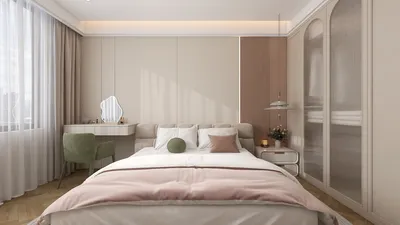


I once acquiesced to a client's desire for a zodiac mural stretching across a 9-foot bedroom ceiling — though I felt apprehensive, I discovered that smaller spaces drive better decisions and clever adjustments, such as how a simple redesign can save an entire night of restless work. If you find yourself gazing at a compact room while envisioning grand possibilities, begin by mastering the art of mapping furniture to prevent awkward sightlines and unused corners. Tight spaces ignite enormous creativity; here are five DIY bedroom decor ideas inspired by my decade-long experience with real projects and the occasional late-night scramble.
1. Layered Lighting with Custom Shades
Transforming thrift-store lamps by adding a new shade is one of my favorite projects: utilizing translucent fabric over an existing frame softens harsh bulbs and instantly enhances a room's coziness. The benefits are substantial — it's budget-friendly, adjustable for mood, and you can coordinate the fabric with your color scheme; just be cautious about using heat-safe materials and appropriate bulb wattage.
save pin
2. Textured Accent Wall with Removable Panels
Rather than opting for traditional paint or wallpaper, consider cutting MDF or foam panels and applying them in a repetitive pattern to add depth without permanence. This approach is friendly for renters and those watching their budgets; just remember to take ample time measuring accurately and painting beforehand for a sharp finish.
save pin
3. Multifunctional Headboard with Storage
I designed a shallow headboard with compartments for a client who lacked closet space — it served as their bedside table, display area, and book nook all in one. By sketching your concept first, you can convert drafts into 3D visualizations via tools like Homestyler, allowing you to adjust proportions before cutting any wood, which helps minimize errors in tight spaces.
save pin
4. Floating Shelves and Alternatives to Nightstands
When floor space is limited, floating shelves installed at varying heights become my go-to solution; they function as nightstands and art displays all at once. They are inexpensive and minimalist, but ensure you use anchors suited to your wall type to avoid the hassle of re-drilling holes at midnight (trust me on that!).
save pin
5. Cozy Reading Nook with Curtains and Low Platform
Create a corner reading nook by adding a slim platform (or a thick rug with cushions) and hanging curtains from a single ceiling track; suddenly, you've crafted a snug retreat that complements the bed without competing for space. This is an easy weekend project that introduces texture and privacy; just measure ceiling height and fabric width to ensure the curtains hang properly. If you want to confirm spatial arrangements, consider using an instant floor plan tool like Homestyler to avoid scale problems before purchasing materials.
Looking for quick project checklists or material lists? I maintain a small folder filled with reliable suppliers and templates — these handy guides make repeatable DIYs much quicker. Embrace one idea at a time and relish the journey; imperfections are what give a room its lived-in charm.
save pin
FAQ
Q1: What are some simple DIY bedroom decor ideas for small spaces?
A1: Concentrate on multifunctional pieces like storage headboards, floating shelves, and layered lighting. Maintain lighter color palettes and select one standout texture for perfect balance.
Q2: How can I create the illusion of a larger bedroom on a budget?
A2: Incorporate mirrors, vertical stripes, light colors, and elevated furniture to enhance visual height. Decluttering and ensuring a cohesive color scheme can instantly make small rooms appear more spacious.
Q3: Are removable accent walls reliable?
A3: Absolutely, as long as you utilize quality adhesives and seal edges well; foam or thin MDF panels are durable and easy to replace. They’re particularly advantageous for renters since they're reversible.
Q4: Which materials are best for DIY lamp shades regarding safety?
A4: Select heat-resistant fabric or materials suitable for lighting, and opt for lower-wattage LED bulbs to minimize heat. LEDs provide bright illumination with minimal heat output.
Q5: How should I choose the right fabric for curtains in a reading nook?
A5: Choose fabric that has sufficient weight to drape elegantly but is not so heavy that it overwhelms the space; consider incorporating light-blocking liner only if you require darkness. Prewashing or pre-shrinking fabrics can help prevent sagging later on.
Q6: Do these DIY projects impact sleep quality?
A6: Yes — lighting and clutter can significantly influence sleep. Aim for warm, dimmable lighting and a soothing color scheme to promote better rest. Refer to the National Sleep Foundation for evidence-based tips on creating an optimal sleep environment.
Q7: How much time do these projects usually require?
A7: Most projects take a weekend (6–12 hours), excluding time for paint drying. Allow for additional time during measuring and pre-finishing components off-site to avoid last-minute mistakes.
Q8: Where can I find visual assistance for layout planning before I begin construction?
A8: Utilize straightforward layout tools to test furniture placement and proportions, ensuring you don’t prematurely cut materials. Consider leveraging options like Homestyler which allow you to sketch and arrange pieces to validate circulation paths.
Originally incubated at Autodesk, Homestyler has grown into one of the most widely adopted home design platforms in the world, now trusted by over 18 million users. Whether you're a homeowner exploring ideas or a professional designer delivering client-ready renders, Homestyler brings industry-leading 3D technology to your fingertips — no experience required.
Looking to transform your space? Homestyler is your go-to online design platform! With a user-friendly design tool, stunning 3D renderings, and a wealth of DIY video tutorials, you can effortlessly create your dream home. Start designing today and unleash your creativity!
Projete agora para LIVRE
































