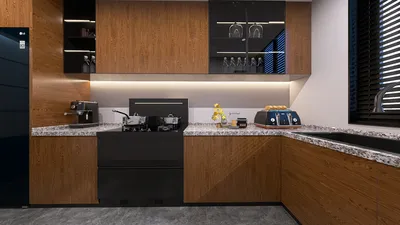


A client once approached me to create a hotel suite in Atlanta that would feel like a home but also cater to nonstop guest turnover — they even requested a pizza oven in the living room. I tactfully shared the drawbacks of such an idea, discovered insights about modular kitchens, and came to appreciate how smaller suites can drive remarkable creativity.
1. Utilize furniture to define spaces rather than walls
In many two-bedroom hotel suites, guests desire designated areas for living, dining, working, and sleeping without the stifling feel of unnecessary partitions. I frequently employ a console table or a stylish bookshelf to create a division between the living space and dining area — this approach fosters privacy while maintaining open sightlines. The benefit is enhanced flexibility and improved natural light flow; however, careful attention to scale is vital to prevent furniture from overpowering the suite.
save pin
2. Integrate built-ins for maximizing storage and visual tranquility
Built-in storage solutions, such as wardrobes and entertainment units, elevate the suite's luxurious feel while concealing luggage, supplies, and housekeeping necessities. For a boutique hotel in Atlanta, I designed a bespoke headboard that includes storage, which helped minimize floor clutter and improved the turnaround time for hotel staff. Although built-ins might require a higher initial investment, they save space and streamline the decor, making them advantageous for hotel operations.
save pin
3. Opt for multifunctional furniture to enhance occupancy rates
A queen bed that folds into a chic wall unit or a sofa that can transform into a guest bed allows a suite to accommodate more guests without appearing like an economical hostel. I have implemented compact foldable desks that double as nightstands — guests appreciated this versatility. The key challenge lies in investing in high-quality mechanisms; opting for cheaper hardware can lead to maintenance issues for hotels.
save pin
4. Layer lighting to enhance ambiance and functionality
Adequate lighting can make a two-bedroom suite seem more spacious and inviting. I recommend a combination of dimmable ceiling lights, bedside lamps, and focused task lighting near work areas. For one particular Atlanta hotel, the addition of adjustable LED strips under cabinets and behind beds significantly improved the impression upon check-in. Upgrading lighting is relatively inexpensive while offering high perceived value.
save pin
5. Infuse local character through textiles and artwork
Guests gravitate toward suites that feel connected to the local area. I once collaborated with a local artist in Atlanta to create unique prints for the hotel suites — they became a highlight and boosted repeat visits. Textured rugs, custom cushions, and well-curated artworks inject warmth without requiring extensive renovations. However, it’s crucial to select durable and easy-to-clean pieces suitable for hospitality settings.
save pin
Tips 1:
When drafting layouts for a two-bedroom hotel suite, consider starting with a digital floor planner to swiftly test furniture arrangements — this approach saves time and helps stakeholders visualize the flow. For quick concepts, I sometimes leverage a free room planning tool to verify furniture layouts before moving to sample orders.
save pin
FAQ
Q: What is the ideal size for a two-bedroom hotel suite? A: Generally, 700–1,000 square feet is optimal, providing adequate living and sleeping zones while ensuring efficient housekeeping.
Q: How can I create a luxurious suite on a mid-range budget? A: Prioritize materials like textured wallpaper, high-quality linens, rich lighting, and impactful art; guests often value finishes more than sheer square footage.
Q: Are kitchenettes beneficial in Atlanta suites? A: Absolutely, especially for guests on extended stays and business travelers, but it’s essential to keep appliances compact and durable to minimize maintenance.
Q: How do I maintain a balance between flexibility and durability in furniture? A: Opt for commercial-grade upholstery and modular designs crafted for hospitality; while they may require a larger initial investment, they will lessen the frequency of replacements.
Q: Should hotels favor built-in storage instead of freestanding options? A: Built-ins deliver a neater appearance and decrease the risk of theft or misplacement, although they necessitate a higher upfront cost and meticulous planning.
Q: What accessibility features should be considered in a two-bedroom suite? A: Features like wider doorways, roll-in showers, grab bars, and adequate space for movement enhance accessibility and broaden your market appeal.
Q: Where can I experiment with floor plans and 3D layouts for suites? A: I suggest utilizing a 3D floor planner like Homestyler to play with furniture arrangements and sightlines; it greatly facilitates stakeholder approval.
Q: Is there a reliable resource for hospitality design standards? A: For guidelines regarding accessibility and ADA compliance, refer to the official U.S. Department of Justice ADA Standards for Accessible Design at https://www.ada.gov/2010ADAstandards_index.htm.
save pin
Homestyler is your go-to online home design platform! With its user-friendly design tool, stunning 3D renderings, and a wealth of DIY video tutorials, you can effortlessly turn your creative ideas into reality. Start designing your dream space today!
立即免费设计
































