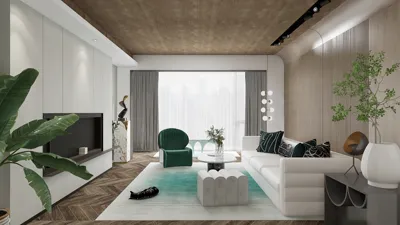


In recent times, I’ve observed a growing trend among my clients who are increasingly selecting charcoal sofas for their living spaces. This classic selection seamlessly aligns with the prevailing interior design trends, such as cozy minimalism, warm textures, and layer upon layer of neutral shades. I personally enjoy working with charcoal since smaller areas can trigger significant creativity; it compels you to be deliberate about your color scheme, layout, and decorative accessories. Here, I’ll share ten design strategies I have successfully implemented, blending my experience with insights from industry professionals, all while using tools like Homestyler to visualize these ideas.
1. Minimalist Backdrop with White Walls
My Experience: I styled a compact apartment living room featuring a charcoal sofa against striking white walls — the contrast showcased a clean and timeless aesthetic. The sofa emerged as the centerpiece, allowing the rest of the room to feel open and airy.
Advantages: White walls reflect natural light, enabling the rich hue of a charcoal sofa to stand out. This combination elevates the design of a small living room without feeling overwhelming, a point echoed in Architectural Digest’s guide to small space design.
Disadvantages: White walls have a tendency to showcase every mark, particularly in areas with high foot traffic. Maintaining this immaculate appearance requires consistent upkeep.
Tip: This strategy is particularly effective when you also implement a minimalist layout to minimize visual chaos.
2. Layering Textured Neutrals
My Belief: I advocate for including throws, cushions, and rugs that incorporate different textures (think linen, boucle, wool) alongside a charcoal sofa. One client remarkingly said, “It’s like my sofa received a warm embrace.”
Advantages: Various textures enrich a monochromatic palette, instantly making charcoal more inviting and warm.
Disadvantages: An overabundance of textures can lead to visual clutter; finding balance is key.
3. Pops of Mustard Yellow
My Take: I’m a fan of integrating warm accent colors like mustard — in a particular small loft, just two mustard-colored pillows shifted the atmosphere from somber to uplifting without overpowering the charcoal.
Advantages: Mustard yellow complements charcoal, offering a contemporary vibe while maintaining coziness.
Disadvantages: Excessive use can render the ambiance overly nostalgic in a way that may not appeal to everyone.
4. Metallic Accent Tables
My Experience: Positioning a brass side table next to a charcoal sofa elevates the overall aesthetic. I once combined a brushed gold lamp with a brass table, and it instantly radiated boutique hotel chic.
Advantages: Reflective metals enhance light and contrast beautifully with a darker sofa.
Disadvantages: Polished surfaces tend to show fingerprints and smudges more easily.
5. Oversized Artwork Above the Sofa
My Experience: A large abstract painting above a charcoal sofa captures the viewer's eye upwards, making the most of limited wall space. In a project for a young couple, it became a foundational element of their entire color scheme.
Advantages: Large art pieces introduce drama and define personality without occupying precious floor space.
Disadvantages: This can be a financial investment; custom sizes often carry a higher cost.
6. Glass Coffee Table for Airiness
My Experience: In tighter spaces, I frequently opt for glass coffee tables — they allow the natural flow of the eye, ensuring the charcoal sofa remains the focal point.
Advantages: Glass tables emphasize the sofa and create an illusion of a larger environment, aligning with insights presented in Small Spaces Living Magazine.
Disadvantages: Glass surfaces require constant cleaning to maintain clarity.
Example: Pairing a glass coffee table with a round rug created a smooth flow around the seating area, akin to how I leverage Homestyler for open floor plan visualizations.
7. Black and White Photography
My Experience: Utilizing monochrome photographs near or above a charcoal sofa instills a harmonious, gallery-like aesthetic. This approach worked wonderfully in a recent bachelor pad project.
Advantages: Timeless, gender-neutral, and versatile enough to fit various design styles.
Disadvantages: Without other contrasting elements, the color scheme may appear flat.
8. Wooden Accents for Warmth
My Approach: Integrating warm wood elements through shelves, frames, or coffee tables alongside dark upholstery creates a cozy atmosphere and adds a lived-in character.
Advantages: Natural wood offsets the cooler tones of the charcoal and ages gracefully over time.
Disadvantages: In darker rooms, excessive wood accents can lend a rustic feel that might overshadow modern aesthetics.
Case in Point: I combined mid-tone oak shelves with a wool rug to establish an inviting hygge vibe, similar to how I incorporate Scandinavian-inspired designs when working with limited spaces.
9. Mixed Patterns on Cushions
My Belief: I often suggest clients explore stripes paired with floral or geometric designs within a coherent color palette — this breaks up the solid appearance of the charcoal sofa.
Advantages: Adds character and visual rhythm without major changes to prominent furnishings.
Disadvantages: Coordination can be challenging; ensuring at least one color remains consistent is crucial.
10. Layered Lighting
My Take: Implementing a mix of floor lamps, table lamps, and ambient lighting fosters a warm dimension around a charcoal sofa. It's one of the simplest upgrades for a space that feels flat.
Advantages: Thoughtful lighting design amplifies a room's size and allure, as supported by data from the American Lighting Association.
Disadvantages: More light sources may lead to cable clutter — it’s wise to plan outlet placement carefully.
Conclusion
Ultimately, designing a small living room with a charcoal sofa revolves around enhancing your space with smarter design choices rather than allowing limitations. By thoughtfully pairing layout, balanced colors, and layered textures, you can curate an aesthetic that feels both individualized and contemporary. Which of these ten design inspirations do you feel inspired to implement with your Homestyler projects first?
FAQs
Homestyler is your go-to online home design platform! With its user-friendly design tool, stunning 3D renderings, and a wealth of inspiring design projects and video tutorials, you can effortlessly create and visualize your dream spaces—perfect for both beginners and seasoned designers alike!
Дизайн сейчас бесплатно
































