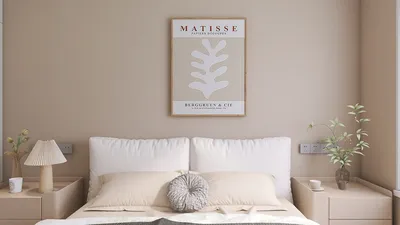


In recent times, adaptable furniture has surged in popularity within the realm of interior design. I've observed a growing demand from clients eager to transform their living rooms into multi-functional spaces while preserving comfort. A daybed serves this purpose perfectly — combining seating, lounging, and occasionally sleeping capabilities all in one piece. I often emphasize that compact areas inspire innovative solutions. Today, I'm excited to share 10 creative daybed ideas for your living room that stem from my personal experiences and expert insights, including how to visualize your design using Homestyler.
1. Minimalist Linen Upholstery
My Perspective: One of my standout projects featured a sand-colored linen daybed situated in an urban apartment with space constraints. It provided a light yet welcoming presence, enhancing the area without overwhelming it.
Advantages: The neutral texture of linen harmonizes seamlessly with diverse décor styles, fostering a minimalist ambiance in the living room. It's also quite adaptable when it comes to seasonal styling updates.
Disadvantages: Light-colored fabrics are prone to staining, necessitating extra care — especially if you enjoy having coffee while relaxing.
Advice: Opt for removable covers — they are lifesavers when guests or kids are around.
2. Daybed with Integrated Storage
My Perspective: During a makeover of a compact condo, we implemented drawers beneath the daybed for housing bedding and out-of-season garments. This change entirely liberated the client’s closet.
Advantages: Perfect for studio apartments, it merges seating with storage solutions. Research shows that built-in storage can enhance usable floor space by up to 15% in micro-apartments.
Disadvantages: Accessing the drawers can be tricky if the daybed is positioned against a wall with limited space.
Case Study: A model with two drawers typically ranges from $300 to $800, depending on material quality.
3. Bohemian Vibe with Colorful Textiles
My Perspective: Layering vibrant throws and patterned cushions on a basic daybed can dramatically alter the atmosphere. I applied this technique in a beach house project, where it became the client’s favorite reading nook.
Advantages: Adds charm and warmth; refreshing the look is as simple as changing textiles seasonally. It complements natural lighting and indoor greenery beautifully.
Disadvantages: If not curated with care, the arrangement might look cluttered — often, less is more when it comes to patterns.
4. Rattan or Woven Frame
My Perspective: I once incorporated a rattan frame daybed in a sunroom-living room fusion, and its organic aesthetic transformed the area into a vacation-like retreat.
Advantages: It is lightweight yet durable and adds a natural texture to the living space, blending well with coastal or Scandinavian design styles.
Disadvantages: This option may not provide the same level of comfort without additional cushions, and it can catch on delicate fabrics.
5. L-Shaped Corner Configuration
My Perspective: During a renovation for a family home, I positioned a daybed within an L-shaped seating arrangement, maximizing available seating without the need for a bulky sectional.
Advantages: An L-shaped layout opens up floor space and fosters natural conversation zones. It also visually delineates the living area in open-plan environments.
Disadvantages: Requires careful measurement to ensure it doesn't obstruct pathways.
6. Luxurious Velvet Upholstery
My Perspective: Introducing an emerald green velvet daybed dramatically elevated a neutral living room project I worked on — it instantly imbued the space with a more sophisticated vibe.
Advantages: Velvet is plush and comfortable; it reflects light interestingly, adding richness and depth to the room. This can be a striking focal point in your design.
Disadvantages: Velvet tends to attract lint and requires gentle cleaning.
7. Mid-Century Modern Design
My Perspective: A walnut mid-century frame featuring tapered legs added a touch of elegance to a downtown loft, and it allowed the daybed to serve as a statement piece.
Advantages: This timeless design integrates well with both retro and contemporary styles, and durable materials generally age beautifully over time.
Disadvantages: Typically, this style commands a higher price compared to simpler metal alternatives.
8. Daybed as a Room Divider
My Perspective: In an open-concept apartment, I strategically placed a daybed to subtly separate the living area from a makeshift home office.
Advantages: It establishes privacy zones without blocking light, enhancing functionality in multipurpose rooms. Thoughtfully arranged furniture like this can maximize space efficiency.
Disadvantages: Placement options may be restricted; it's more effective in spacious living areas.
Advice: For enhanced adaptability, consider choosing a backless design.
9. Scandinavian Neutral Palette
My Perspective: I styled a pale oak daybed with beige and white cushions for a couple who preferred serene, airy environments. It became their preferred spot for afternoon relaxation.
Advantages: Neutral palettes create a sense of spaciousness and calm. The Nordic Design Institute found that light wood furniture can enhance perceived brightness by 30%.
Disadvantages: It requires regular dusting to maintain its pristine look.
10. Convertible Daybed with Trundle
My Perspective: A client in a compact one-bedroom apartment sought additional sleeping arrangements for guests — a daybed with a trundle elegantly addressed that need.
Advantages: This setup provides an extra sleeping area without the necessity of dedicating a separate guest room. Contemporary designs even sync with AI-assisted room planners like Homestyler for optimal space usage.
Disadvantages: You need sufficient floor space to extend the trundle, so be mindful of rug placements.
Conclusion
Incorporating a daybed in your living room is centered on efficient space utilization, not compromise. With appropriate styling and strategic layout, it can evolve into both a functional and aesthetically pleasing centerpiece. Multifunctional furniture has become a fundamental element of modern living room design, as highlighted by Elle Decor. Which of these 10 creative daybed ideas would you be excited to implement in your own home?
FAQ
1. What is the ideal size for a daybed in a living room?
Generally, a twin-size daybed is appropriate for most living rooms, effectively balancing seating and available floor space.
2. Can a daybed substitute a sofa?
Absolutely, particularly in smaller apartments or studio setups. A well-cushioned daybed can serve as both primary seating and a guest bed.
3. What mattress type is best for a daybed?
A medium-firm mattress is recommended for lounging and occasional overnight use. The Sleep Foundation advises hybrids for long-lasting performance.
4. How can I style a daybed in my living room?
Utilize layered pillows, a throw blanket, and a side table to seamlessly integrate it into your living space. Additionally, consider exploring layouts using an interactive floor planner like Homestyler.
5. Are daybeds comfortable enough for daily use?
With suitable cushioning and a proper mattress, they can provide exceptional comfort for everyday lounging.
6. What space requirements are necessary for a daybed?
You will need at least 78–85 inches in length and 40 inches in depth, plus ample clearance for movement around it.
7. Is it possible to use a daybed outdoors?
Yes, however, you’ll need materials and cushions that are resistant to weather conditions.
8. What is the best way to maintain a fabric daybed?
Regular vacuuming, spot cleaning, and using washable covers will help prolong its lifespan.
Looking to transform your space? Homestyler is your go-to online home design platform! With an easy-to-use design tool, stunning 3D renderings, a treasure trove of design projects, and helpful video tutorials, you can effortlessly create your dream home. Start designing today!
Design Now for FREE
































