

In a small urban flat, I once placed a large corner sofa because the client believed it would make the living area feel more inviting. It resembled a sofa island, which brought us some laughs, but it also taught me to treat compact spaces as canvases for inventive design solutions. This experience leads to discussing various corner sofa ideas. For genuine layout inspiration, consider the small-space case that I utilized to evaluate sightlines and circulation.
1. Position the corner sofa slightly away from the wall
Although it may seem counterproductive, pulling a corner sofa a few inches off the wall adds visual depth and creates a pathway behind it. This adjustment allows the room to feel airier and provides space for a narrow console or floating shelf to hold lamps or plants. Keep in mind that you'll sacrifice a bit of floor area, so it’s wise to measure beforehand.
2. Select a low-profile corner sofa to enhance sightlines
A low-back corner sofa maintains an open ambiance and gives the illusion of larger windows. I applied this principle in a studio apartment that required both seating and a view, effectively preserving the sightline to the window. However, a downside might be limited back support for taller guests, so consider adding slim bolster cushions for extra comfort.
save pin
3. Create zones using rugs and lighting
In compact open-plan homes, a corner sofa can serve as the anchor for the living area if paired with a rug and thoughtful lighting. I recently designed a living-dining combination where the rug, pendant light, and the sofa formed a cohesive island, while the dining set occupied the adjoining space. For visual experiments, I often produce quick mockups using tools like Homestyler to preview scale and light interaction.
save pin
4. Choose a modular corner sofa for versatility
Modular furniture is incredibly beneficial in small homes because it allows you to rearrange seating as necessary for guests or to open up space. I recommended a modular corner sofa to a family who required a sleeper option and extra seating; it worked seamlessly. Just be cautious, as mismatched fabrics may result in an uncoordinated appearance, so aim for a unified color palette.
save pin
5. Combine a corner sofa with multifunctional furniture (consider storage options)
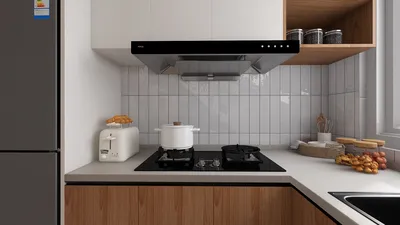
When dealing with limited square footage, combining a corner sofa with ottomans that double as storage or a coffee table with drawers significantly enhances the utility of the space. I previously substituted a bulky TV unit with a storage ottoman and wall shelves, which kept the area feeling open and organized. If you are designing a small kitchen adjacent to the living room, reviewing relevant kitchen layout examples may assist in coordinating flow and placement of appliances.
save pin
FAQ
Q1: Is a corner sofa feasible for very compact living areas?
A1: Absolutely, as long as you opt for a compact or modular design and carefully plan the circulation. Be sure to measure the swing of doors and walking paths before making a purchase.
Q2: How can I prevent the corner sofa from overwhelming the room?
A2: Choose a lighter fabric, a low back design, and a leggy base to foster a sense of lightness. Anchoring it with a appropriately sized rug will also help balance the visual weight of the piece.
Q3: Can a corner sofa work well in open-concept layouts?
A3: Indeed! You can use it to define different zones, complement it with appropriate lighting, and align the long side with sightlines to preserve a smooth flow.
Q4: What should I consider regarding storage needs?
A4: Enhance functionality by pairing the sofa with multi-use items like storage ottomans, floating shelves, or side tables that include drawers, maximizing space utility without creating clutter.
Q5: Are sectional corner sofas typically more expensive?
A5: They may be costlier, especially custom or modular styles, but they provide flexibility that can ultimately be more economical than buying multiple pieces. I usually recommend budgeting a little extra for more durable fabrics, especially in homes with pets or children.
Q6: How do I determine the right size?
A6: Measure both the seat depth and sofa length relative to your room’s dimensions. Ensure you leave at least 60 to 75 cm (24 to 30 inches) for a walkway, keeping the space comfortable.
Q7: Are there design resources to help visualize layouts?
A7: 3D mockups and floor plan design tools are immensely beneficial for visualizing potential layouts before committing to purchases. They allow you to assess traffic flow and item sizing within moments.
Q8: Where can I find reliable small-space layout guidelines?
A8: Established design resources and professional guides provide tested insights, such as Architectural Digest’s features on small-space planning that discuss sightlines, scale, and multifunctional furniture (Architectural Digest, https://www.architecturaldigest.com).
save pin
Homestyler is your go-to online home design platform, perfect for transforming your creative ideas into reality. With its user-friendly design tool, stunning 3D renderings, diverse design projects, and helpful video tutorials, you can effortlessly craft your dream space—no experience necessary!
Desain sekarang Gratis
































