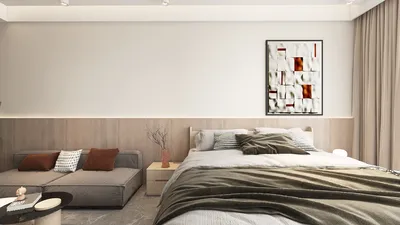


I once had a client who requested to fit a standing desk, a twin bed for overnight guests, and an extensive bookshelf into a compact 6×8 ft nook—believe it or not! I chuckled, took out my sketchpad, and ultimately devised a layout utilizing some ingenious desk arrangements that provided functionality without feeling confined. Navigating small spaces often demands creative approaches, and I'm thrilled to share 5 design inspirations that I frequently utilize and that can seamlessly integrate with tools like Homestyler.
1. Wall-Mounted Desk with Concealed Storage
I'm a big fan of wall-mounted floating desks because they free up floor space and provide a less cluttered look in a compact room. However, it’s important to keep in mind the load-bearing limits—consequently, I usually reinforce the wall and add slim drawers beneath to keep cables and documents out of sight.
save pin
2. Versatile Seating (Desk + Guest Seat)
Consider replacing an armchair with a bench that can slide under the desk; it not only serves as an additional seat but also includes storage with lift-up upholstery. This solution is cozy and budget-conscious, but be sure to select durable fabric since it will endure daily use.
save pin
3. Vertical Storage Solutions and a Fold-Away Monitor Arm
Utilizing vertical space is a swift way to enhance storage without compromising square footage—tall shelves, a slender cabinet, and a fold-away monitor arm help keep surfaces neat. For clients who find it challenging to visualize the layout, I recommend using 3D visualization tools like Homestyler early in the planning phase to assess sightlines and reachability before making any purchases (this can save you money and the hassle of returns).
save pin
4. Compact L-Shaped Desk for Zone Definition
An L-shaped desk can transform your area into a mini-studio: one side can accommodate a computer, while the other serves as a project table. This configuration consumes more wall space, so careful measurement is essential—sometimes, opting for a custom-cut piece can be more economical than trying to fit a standard item into the space.
save pin
5. Light Tones, Mirrors, and Smart Technology Integration
Light wood tones and off-white finishes can make a small office feel more expansive, and placing a slim mirror across from the window can amplify natural light. I also incorporate smart AI layout tools like Homestyler to assist in planning lighting arrangements and power placements in complex setups, which accelerates decision-making, although it may require a brief learning curve upfront.
save pin
FAQ
Q: What desk size is ideal for a compact home office?
A practical minimum width of about 48 inches should suffice for a laptop and working space; narrower desks can work if you focus on vertical storage. Always check the clearance for your chair and the opening of doors before making a purchase.
Q: How can I create a sense of space in a tiny office?
Utilize light colors, reflective materials, and consistent flooring to enhance visual continuity. Vertical storage solutions and furniture designs with exposed legs also contribute to an open feel.
Q: Is an ergonomic chair necessary for working from home?
Absolutely—adequate lumbar support and adjustability can prevent fatigue and long-term discomfort. You don’t necessarily need the priciest model, but it's wise to try out height, tilt, and lumbar adjustments in person when possible.
Q: Can I utilize a sofa in an office setting?
A sofa might suffice for infrequent tasks, but it lacks the supportive posture offered by a good office chair during extended work sessions. If you do opt for a sofa, consider adding a small supportive cushion and limit intensive work to brief sessions.
Q: How can I effectively manage cables in a compact workspace?
Plan the power outlets during the layout process and route cables behind baseboards or within desk channels; a few strategically placed raceways will present a much cleaner look than a tangle of cords under your desk. Labeling will also save you time when disconnecting devices.
Q: What type of lighting is optimal for video conferencing?
Position a soft light behind your camera at eye level and minimize harsh overhead lighting that creates shadows. A dimmable LED panel or ring light offers you control without causing glare.
Q: What budget should I expect for a compact and efficient home office?
Anticipate a wide range: a basic setup could be less than $500, while quality furniture, appropriate lighting, and technology could bring costs to between $1,500 and $3,000, depending on your customization choices. Focus first on ergonomic solutions and storage—those investments will yield daily dividends.
Q: What is the recommended desk height for ergonomic seating?
Desk height generally depends on your seated elbow height—typically around 28–30 inches for most adults, but adjustable desks are ideal for precise customization. For comprehensive guidance on ergonomics and workstation setup, refer to OSHA's ergonomic resources (https://www.osha.gov/ergonomics).
save pin
Homestyler is your go-to online home design platform, perfect for all skill levels! With its user-friendly design tool, stunning 3D renderings, inspiring design projects, and helpful video tutorials, you can effortlessly create and visualize your dream space. Transform your home today!
Design Now for FREE
































