


I once mounted a glowing moon light upside down, mistakenly believing the wiring diagram was a contemporary art installation — the kids found it delightful, but the parents were less than impressed. This amusing incident taught me crucial lessons about ceiling lighting for children's spaces: prioritize safety, consider scale, and embrace whimsy. Smaller rooms encourage creativity, and throughout the years, I’ve curated a collection of enjoyable yet durable lighting solutions. Below, I present five ceiling lighting ideas I've implemented in real-life projects, complete with budget-friendly tips and candid trade-offs.
1. Flush-mount LED with adjustable warmth
For compact bedrooms, I frequently opt for a sleek flush-mount LED fixture that allows for an adjustable color temperature. This keeps the ceiling tidy, minimizes the risk of accidental bumps during imaginative play, and the dimming feature enhances bedtime routines. Advantages include energy efficiency, longevity, and ease of cleaning. However, some budget options may have flickering issues or poor color rendering, so I advise selecting mid-range products and testing their dimmer compatibility.
save pin
2. Playful pendant featuring a safety cord and compact canopy
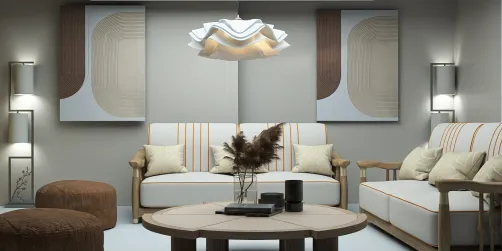
When parents are looking for something fun, like a hot-air balloon or cloud-shaped pendant, I recommend a lightweight design accompanied by a small canopy and a safety-rated cord or anti-tangle cover. This creates a striking focal point, ideal for a reading nook or play area. The advantage of this approach is its strong visual character, whereas the downside is that pendants require precise height positioning and should be out of reach of curious toddlers.
save pin
3. Recessed LED lights framing a central theme
In one shared bedroom, I conceptualized a star map on the ceiling, accented with recessed LED lights to produce a soft, indirect glow. This creates gentle illumination while allowing the design to become the centerpiece of the night. Benefits include evenly spread light and reduced glare. The challenge here is that it requires some ceiling work and planning, making it better suited for renovation projects rather than quick updates. To visualize the layout effectively, I sometimes create a mockup using a 3D design tool like Homestyler.
save pin
4. Ceiling-mounted track lighting with adjustable heads
Track lighting offers versatility as a child's needs evolve — you can direct the heads toward areas such as desks, bookshelves, or art walls. I prefer slim designs equipped with kid-safe covers to avoid a harsh industrial aesthetic. The pros include adaptability and targeted lighting; however, they may appear too mature unless paired with whimsical shades or pops of color. A handy tip: Utilize varying beam angles and intensities to create distinct zones for study and playtime.
save pin
5. Integrated night light featuring a motion sensor
For enhanced safety and convenience, integrate a small motion-sensor night light into the ceiling fixture or choose options equipped with a soft night mode. This proved invaluable in a project where a child frequently woke up for late-night trips for water. The advantage is a hands-free, comforting glow; the downside is that battery or sensor quality may differ, so it’s wise to opt for reputable brands or hardwired options to ensure reliability.
save pin
Budget Tip:
A practical advice for budgeting: start with high-quality LED modules and straightforward control systems — they yield significant long-term savings. If you need to experiment with lighting setups before purchasing, I often arrange positions on a floor plan and utilize a 3D mockup to simulate the lighting effects, helping to avoid unexpected results. For a digital mockup solution, I utilize a room planner, such as Homestyler, to present options effectively to clients.
save pin
Frequently Asked Questions
Q: What color temperature is ideal for kids' ceiling lights?
A: Aim for a warm-to-neutral range of 2700K to 3500K for general purposes; a slightly cooler light can be appropriate over workspaces. Warmer tones help promote relaxation before bedtime.
Q: Is it safe to use dimmers in children's rooms?
A: Yes, as long as you use compatible LED fixtures alongside certified dimmer switches. Always confirm compatibility to prevent flickering or diminishing LED lifespan.
Q: How high should pendants hang in a child's room?
A: Ensure pendants are positioned at least 1.8 to 2.0 meters (6 to 6.5 feet) above the ground, well out of reach of climbing furniture, or consider flush or surface-mounted options for lower ceilings.
Q: Is it appropriate to install a ceiling fan in a kid’s room?
A: Ceiling fans are suitable for older children if they are installed with blade guards and adequate clearance; for toddlers, I prefer alternative cooling methods or high-mounted fans to minimize risks.
Q: How can I select fixtures that are easy to maintain?
A: Look for fixtures with smooth, wipeable surfaces and sealed designs that prevent dust accumulation. Avoid intricate fabric shades in high-traffic areas.
Q: Can I incorporate motion sensors into ceiling lighting?
A: Absolutely — motion sensors enhance safety and convenience; hardwired sensors tend to be more reliable than battery-operated models. For standards and safety recommendations, refer to the IEC or local electrical codes, such as the NEC in the U.S., which provides guidelines for wiring and fixture installations.
Q: What’s an affordable way to incorporate playful lighting?
A: Consider decorative decals, stick-on fiber optics, or small plug-in star projectors combined with a primary flush fixture for an economical layered lighting effect.
Q: Should I engage an electrician or can I install ceiling lights myself?
A: If you're replacing simple fixtures and feel confident with wiring, a DIY approach is feasible. However, for new wiring, recessed installations, or ceiling work, hiring a licensed electrician is highly recommended for safety and adherence to code regulations.
save pin
What began as an Autodesk innovation has evolved into a design platform used by more than 20+ million registered users (platform data, 2026) around the globe. Homestyler combines powerful rendering, an intuitive editor, and a vast furniture library to help you turn inspiration into photorealistic designs — whether you're redesigning a single room or planning an entire home.
Homestyler is your go-to platform for effortless home design! With its user-friendly online design tool, stunning 3D renderings, and a plethora of DIY video tutorials, you can transform your space into a dream home, no matter your skill level. Start creating today!
Zaprojektuj teraz za darmo














![[11]](https://hs-designs.homestyler.com/production/design/images/2026-08-18/65655371-2e61-41bb-9e44-25116ade2000/1787043124071/10645029.jpg?x-oss-process=image/resize,w_502,m_mfit/format,webp)